

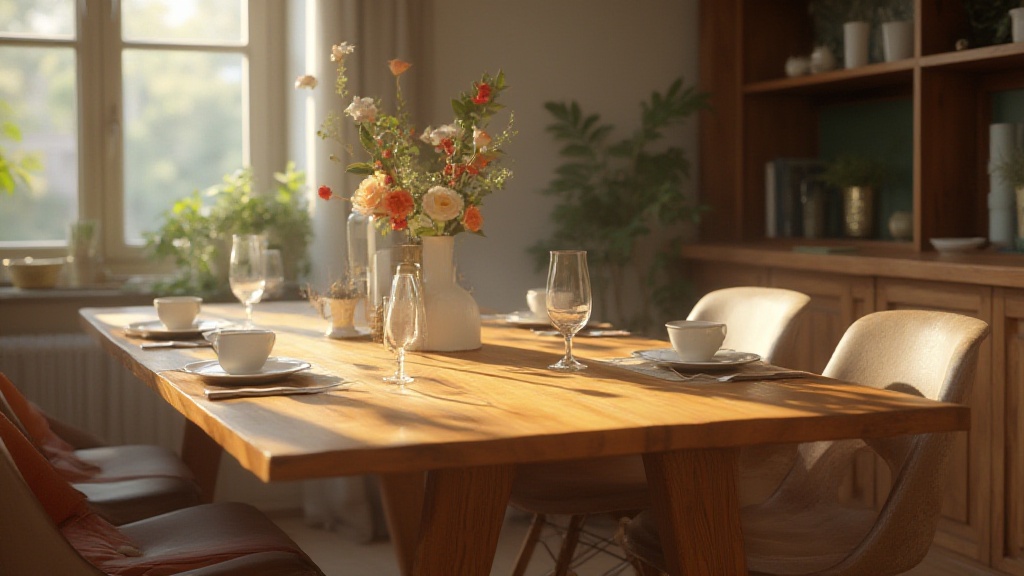
Taking care of mango wood furniture is a rewarding endeavor that highlights its natural beauty. Effective mango wood maintenance not only ensures durability but also enhances the aesthetic appeal of timeless pieces.
Regular dusting with a damp cloth plays a crucial role in removing dust and preventing scratches to maintain the smooth surface.
Natural oils or a wood conditioner applied every few months can revitalize the wood grain, leading to improved durability and shine.
For deeper cleaning, employing gentle cleaning techniques protects the furniture finish. By embracing these simple upkeep tips, you will enjoy your beautiful furniture for years to come.
Click here to learn more about: mango wood furniture durability
Exploring Aged Weathered Finishes Characteristics
Distinctive aged weathered finishes bring an unparalleled charm to various surfaces, enriching your decor with character and depth.
These techniques effectively replicate natural aging, resulting in a rustic finish that resonates with history and authenticity. Distressing techniques and layering contribute to creating the timeless look many people adore.
Artisans often employ color washing to bring out textures that appeal to those who value artisan craftsmanship.
This artistic approach not only elevates furniture aesthetics but also serves practical roles in furniture restoration.
Each finish tells a story, inspiring creativity in DIY projects while ensuring your pieces exhibit a stunning vintage look that complements modern homes.
“Aged weathered finishes evoke a sense of timeless charm and character, perfect for rustic decor. ”
The Techniques Behind Aged Weathered Finishes
Utilizing aged weathered finishes requires a mix of artistry and technique. Common methods include:.
- Distressing: Involves deliberately damaging the surface to create a worn look.
- Layering: Applying multiple paint or stain layers to add depth.
- Color washing: Using a translucent finish to soften bold colors for an antiqued effect.
Each technique allows for personal expression and can vary significantly based on the desired outcome. Many eco-friendly products are available to ensure a sustainable approach in your restoration projects.
Applying Aged Finishes Safely
When applying these finishes, it is vital to follow safety measures, particularly when using chemical products. Always work in a well-ventilated area and wear protective gear. Tools commonly required include:.
- Brushes and soft brushes
- Spray guns
- Sandpaper for smoothing
- Rags and staining cloths for even application
Experimenting with different methods on sample pieces can help you refine your techniques and discover your unique style, enhancing the natural beauty of your furniture.
Essential Aged Weathered Finish Maintenance Tips
Regular maintenance of aged finishes transforms their timeless charm into lasting beauty. Attending to wood preservation is essential for ensuring that surfaces remain both visually appealing and durable.
Establishing a cleaning routine that includes gentle cleaning methods plays a vital role; mixing mild soap with warm water effectively cleans without causing damage.
Performing periodic inspections on your furniture pieces is necessary to identify wear, particularly in corners and edges.
Early detection of fading or damage can significantly enhance furniture longevity. Utilizing a soft, damp cloth for dusting is vital to prevent scratches while maintaining the natural beauty of your finishes.
“Regular dusting and gentle cleaning can extend the life of your aged finishes. ”.
Effective Techniques For Achieving Aged Finishes
Creating aged finishes requires specific techniques that yield a captivating vintage look.
Distressing serves as a popular method to simulate natural wear; employing tools such as hammers and sandpaper adds desirable texture and depth. Color washing enhances the wood grain by layering a diluted paint mixture, allowing the base colors to shine through.
For optimal results, gather necessary tools like soft brushes and rags to ensure that the application supports durability and convenient maintenance.
Distressing Techniques
Distressing involves various methods that impart a rustic feel to your furniture.
Consider incorporating natural oils and wood conditioners to enhance the aged appearance, further emphasizing the artisan craftsmanship of each piece.
Color Washing Methods
Color washing can significantly improve aesthetic appeal by merging different hues while maintaining the integrity of the wood type. Experimenting with various stains allows for personalized results that suit your home decor style.
“Using ecofriendly products contributes to sustainable practices in achieving artisan finishes. ”.
Integrating these techniques into your furniture upkeep regimen ensures a harmonious balance between maintenance tips and the artistry of aged finishes.
Explore these methods thoroughly to discover how to best apply them in your restoration projects.
| Maintenance Aspect | Technique | Benefit |
|---|---|---|
| Regular Dusting | Using a soft, damp cloth | Prevents scratches and maintains natural beauty |
| Cleaning Routine | Mild soap with warm water | Effective cleaning without damage |
| Distressing | Employing hammers and sandpaper | Simulates natural wear for texture |
| Color Washing | Layering diluted paint mixture | Enhances wood grain and aesthetic appeal |
Benefits Of Using Eco-Friendly Products In Finishing
Utilizing eco-friendly products enhances the finishing process by combining aesthetics with environmental consciousness. Natural materials, such as organic oils, elevate aged finishes, offering unmatched authenticity to furniture.
These products significantly diminish toxic emissions, thereby creating a safer and more welcoming home environment.
Embracing sustainable practices supports furniture longevity, preserving vintage charm while reducing ecological impact.
By integrating eco-friendly solutions, you achieve an authentic look and contribute positively to the planet. This approach also promotes a holistic view of wood preservation, resonating with contemporary sustainability goals.
Strengthening Authenticity with Natural Materials
Natural oils and wood treatments are essential for enhancing the durability and aesthetic appeal of finishes.
Their ability to enrich the wood grain results in a rustic finish that reflects the beauty of nature. Eco-friendly products allow for the attainment of the desired vintage look while ensuring minimal environmental impact.
Incorporating these methods fosters artisan craftsmanship, which is evident in handcrafted furniture.
Contributing to Sustainable Practices
Using eco-friendly products not only helps in achieving an impressive finish but also aligns with sustainable practices.
Products like beeswax and organic varnish application provide surface protection while keeping harmful chemicals to a minimum.
The integration of these solutions is vital for protective finishes, ensuring that aesthetics and environmental care coexist harmoniously.
How To Apply Aged Finishes Properly
Achieving professional results with aged finishes requires meticulous attention to technique and timing. Begin by adequately preparing the surface, ensuring cleanliness and sanding to promote perfect adhesion.
Select the right eco-friendly product, such as wood stains, for this process. Applying a base coat with a soft brush sets the foundation for further aging techniques.
Step-by-Step Application Process
- Prepare the Surface: Ensure it’s clean and sanded to enhance adhesion.
- Choose Your Eco-Friendly Product: Opt for options like natural oils or beeswax.
- Base Coat Application: Use a soft brush to apply your chosen product, allowing it to dry completely.
- Layering Techniques: Apply additional layers such as distressing or color washing to deepen the effect. Each layer should be thin for better control.
- Patience is Key: Allow proper drying time between applications to enhance texture integration.
Best Practices for Finishing
Utilizing aged weathered finishes transcends mere aesthetics—it infuses a sense of history and depth into your designs. Techniques such as sanding and glazing contribute unique results that can transform any surface, whether wood, metal, or textiles. Experimentation with different methods is encouraged, as it helps refine your personal style within the realm of aged finishes. By crafting beautiful pieces with eco-friendly products, you not only celebrate the natural beauty of materials but also enhance your home decor sustainably.
Eco-Friendly Finishing
- Natural materials reduce toxic emissions, creating a healthier indoor environment.
- Using eco-friendly products prolongs the lifespan of furniture while preserving its vintage appeal.
- Techniques like sanding and glazing enhance the aesthetic and historical value of finished items.
- Eco-friendly finishes, such as beeswax and organic varnish, minimize harmful chemicals while providing effective surface protection.
Preventive Measures For Maintaining Aged Finishes
Protecting aged finishes demands attention to environmental factors that may compromise surfaces. Direct sunlight poses a significant risk, as excessive light exposure can fade the rich character and color unique to these pieces.
To enhance furniture longevity, consider utilizing curtains or blinds during peak sunlight hours and applying UV-resistant coatings.
This ensures durability and beauty over time.
Moisture control stands as another essential factor; excess dampness can warp or discolor aged surfaces.
Implement strategies like using dehumidifiers to maintain optimal humidity levels and regularly inspecting for leaks to prevent damage. For comprehensive upkeep tips, refer to previous maintenance advice for a cohesive care routine that enhances wood preservation.
What Are The Best Techniques For Aged Finishing
Exploring various techniques for achieving aged finishes reveals methods that enhance both durability and aesthetic appeal.
One effective method is distressing, where intentional surface damage creates a weathered look, enriching the piece’s character. Although it adds immediate charm, this technique may lead to inconsistency if not carefully executed.
Color washing serves as another subtle approach, softening hues and enhancing the wood grain’s natural beauty through layering.
Patience is essential here, as achieving the desired effect can require multiple applications.
Glazing introduces a translucent color that enriches textures, but it necessitates practice for an even application and pleasing results.
Proper maintenance techniques, as discussed earlier, can greatly prolong the life of these beautiful aged finishes, ensuring surface protection and fostering a rustic aesthetic.
| Preventive Measure | Benefit |
|---|---|
| Use of curtains or blinds | Protects against fading from sunlight |
| Applying UV-resistant coatings | Enhances durability and preserves beauty |
| Utilizing dehumidifiers | Controls moisture levels to prevent warping |
| Regular leak inspections | Prevents damage from excess dampness |
Tips For Experimenting With Aged Finishes
Exploring aged finishes can elevate your woodworking projects, giving them a distinctive touch. Start by gathering sample pieces crafted from wood types similar to your final project, ensuring consistency during your tests.
Embracing experimentation is essential; consider various techniques like distressing, where you lightly sand edges to achieve a timeworn effect, or color washing, which involves diluting paint to enhance the wood grain.
By assessing wood treatments on samples, you can refine your methods without jeopardizing your main pieces.
Techniques to Explore
- Distressing Techniques: Sand edges and surfaces to simulate wear, adding character to your pieces.
- Weathered Paint Effects: Layer paints with varying transparencies to create a depth reminiscent of antique finishes.
- Color Washing: Mix acrylic paints with water to allow the natural beauty of the wood to show through.
This journey of discovery will help you uncover a unique flair that resonates with your personal style, enhancing the overall aesthetic appeal of your home decor.
Practical Approaches for Testing Methods
Engage with different techniques on sample pieces before applying them to your final project. This approach not only safeguards your main work but also allows you to explore various outcomes. Consider the following steps:.
- Prepare sample pieces from your chosen wood types.
- Apply different aging methods to each piece, documenting your process.
- Analyze the results, noting which techniques align with your vision for furniture aesthetics.
- Refine your methods based on your observations, gradually crafting a signature style.
Maintaining a focus on furniture upkeep will ensure the longevity of your finishes. Use natural oils or wood conditioners to protect your creations, enhancing their resistance to wear and tear.
Aged Finishes
- Experimenting with aged finishes can significantly enhance the visual appeal of woodworking projects.
- Distressing techniques can add authenticity and character, mimicking the natural wear of antique furniture.
- Color washing allows for a subtle enhancement of wood grain, showcasing the material’s inherent beauty.
- Using natural oils and wood conditioners helps maintain the integrity and longevity of aged finishes.