

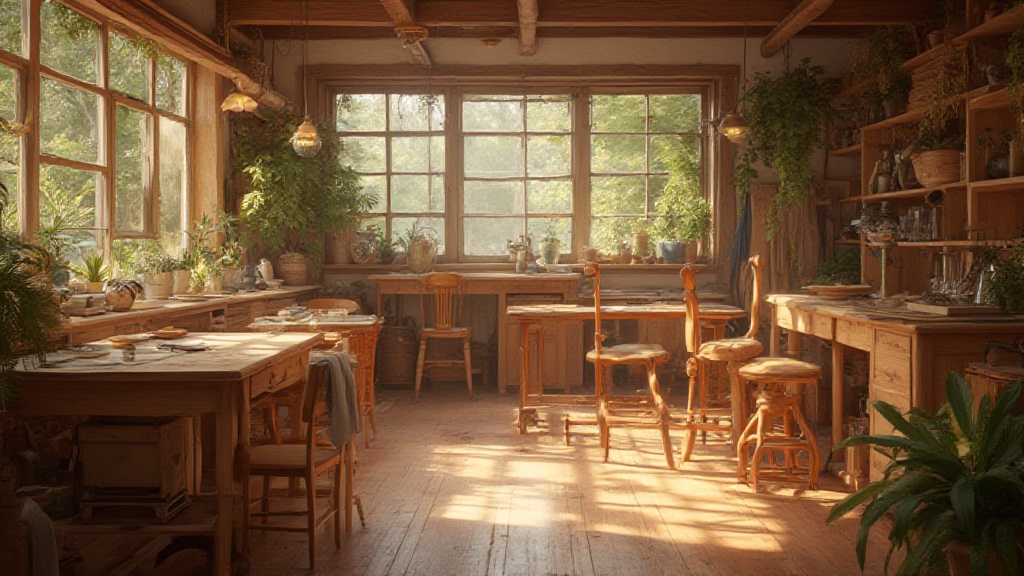
Proper wood care is fundamental for maintaining the charm and durability of oak furniture. Regular cleaning techniques not only keep surfaces pristine but also enhance their appeal.
For effective furniture upkeep, start with a microfiber cloth to ensure efficient dust removal that prevents scratches and maintains the finish.
Moisture control plays a significant role in preservation; utilizing coasters and staying away from direct sunlight offers water damage protection to your beloved pieces.
Conditioning with natural oils like linseed effectively enriches the grain while providing essential nourishment.
Implementing a consistent maintenance schedule will ensure the longevity of your cherished oak items.
Click here to learn more about: differences between oak and pine explained
Choosing The Right Wood Care Products
Selecting suitable care products is paramount for effective oak furniture protection.
Natural oils, such as tung and linseed, serve as excellent nourishers that enhance the wood grain and guarantee long-lasting finishes. Ecofriendly cleaners, crafted from plant-based ingredients, provide safe cleaning solutions free from harsh chemicals, making them ideal for regular furniture upkeep.
Recommended Products for Effective Care
For finishing touches, consider biodegradable waxes that provide exceptional protection and luster.
Brands like Howard Feed-N-Wax offer reliable conditioning, while Method’s All-Purpose Cleaner serves as a fantastic option for daily cleaning. Investing in such quality care products ensures your oak furniture retains its stunning appearance for years to come.
Understanding Aged Weathered Finishes
Aged weathered finishes evoke a sense of timeless charm, often associated with rustic decor.
Techniques used in this transformation involve aging wood and other materials to achieve a natural, worn look.
Such methods include distressing, layering, and color washing that create a sense of history in design.
These techniques are ideal for both DIY projects and professional craftsmanship.
Common tools required include brushes, spray guns, and sandpaper, and eco-friendly products can be utilized for a sustainable approach. Experimentation with different techniques on sample pieces allows you to refine your skills and discover your unique style.
Tip: Always take proper safety measures when working with chemical finishes.
By embracing these maintenance best practices, you not only preserve the integrity of oak furniture but also enhance its aesthetic value, making your living spaces more inviting.
How To Establish A Maintenance Schedule
Creating a maintenance schedule is essential for keeping your oak furniture in pristine condition. Seasonal tasks are integral to preventing wear and tear while ensuring that each piece retains its beauty for generations.
For example, springtime is ideal for conducting inspections that identify any signs of fading or wear from winter.
Be sure to clean surfaces thoroughly and apply protective finishes as appropriate.
A practical checklist can help streamline the maintenance process—include actions such as inspecting joints and monitoring humidity control during colder months. Setting regular reminders on your calendar will enhance your furniture upkeep routine significantly.
Effective Cleaning Techniques For Oak
Utilizing proper cleaning techniques is vital for preserving the elegance of your oak furniture.
Safe cleaning agents, like a mild soap solution, effectively remove dirt while maintaining the integrity of finishes. A mixture of 1:1 vinegar and water serves as an excellent alternative for those seeking to avoid harsh chemicals.
To safeguard against scratches, always choose soft, lint-free cloths made from microfiber or cotton when cleaning.
Here’s a concise, step-by-step cleaning process tailored specifically for oak:.
- Dust the surface: Use a soft cloth to eliminate any loose dirt.
- Dampen a cloth: Slightly moisten a soft cloth with the cleaning solution.
- Wipe gently: Carefully wipe the surface, ensuring not to apply too much pressure.
- Dry immediately: Quickly dry the surface with a soft cloth to avert moisture damage.
Following these cleaning techniques will help maintain the appearance and longevity of your furniture while avoiding scratches and other potential damage.
Oak Furniture Maintenance
- Regular maintenance can extend the lifespan of oak furniture by several decades.
- Using safe cleaning agents helps preserve the natural finish and prevents damage from harsh chemicals.
- Humidity control is crucial, as excessive moisture can lead to warping and damage.
- Soft, lint-free cloths reduce the risk of scratches during cleaning, ensuring the furniture retains its beauty.
Polishing oak furniture correctly enhances its natural beauty and ensures longevity. This section explores optimal polishing techniques, suitable polish types for oak, and practical maintenance tips.
Best Polishing Methods For Longevity
To maintain the beauty of oak, ideal polishing methods play an important role.
Regular wood care can significantly enhance the grain and color of the surface.
Different types of polish, such as beeswax and oil-based options, are excellent for nourishing oak.
These products not only add a glossy finish but also provide protection against moisture damage. For best results, consider polishing your oak furniture every 6 to 12 months.
This maintenance schedule helps preserve its shine while effectively warding off surface scratches and wear.
Protective Finishes For Lasting Beauty
Choosing the right protective finishes is essential for ensuring oak surfaces maintain their natural beauty over time. Various finishes, such as varnish and lacquer, offer excellent moisture control and UV protection.
These coatings enhance the wood’s appearance, creating a polished look while offering durability.
Regularly reapplying finishes every 1 to 3 years is a recommended practice to safeguard the wood from environmental damage.
Effective maintenance ensures that oak surfaces retain their character and charm, reflecting timeless elegance and enhancing your home’s aesthetic.
Understanding Finishing Techniques
Each finishing technique serves a purpose in preservation and enhancement. Oil finishes, for example, not only nourish the wood but also help control humidity.
Distressing techniques can create a rustic look, giving your furniture an aged appearance that adds character. Weathered finishes mimic the natural aging process, making them suitable for those who appreciate vintage aesthetics.
Guidance on Reapplying Finishes
Knowing when to reapply finishes requires attention to the wood’s condition.
A thorough cleaning with gentle cleaning agents can prepare the surface for new coatings.
Regular inspection allows for timely touch-ups, ensuring longevity. Incorporating eco-friendly products into your care guide promotes sustainable practices while enhancing your wood’s appearance.
Polishing Oak Furniture
- Regular polishing every 6 to 12 months enhances the wood’s grain and color.
- Beeswax and oil-based polishes protect against moisture damage while adding a glossy finish.
- Reapplying protective finishes every 1 to 3 years safeguards the wood from environmental damage.
- Oil finishes help control humidity and nourish the wood, extending its longevity.
Tips For Scratch Repair And Restoration
Minor scratches on oak furniture can be frustrating, but there are effective ways to address them. Begin with natural oils, such as mineral or walnut oil, which are excellent for restoring moisture and reducing the appearance of scratches. Cleaning techniques should also be considered; knowing whether the surface treatments involve varnish, lacquer, or oil will influence your approach to repair.
It’s important to test any methods on hidden areas first to avoid further damage.
When to Seek Professional Help
If scratches penetrate deeper layers or if you’re unsure of your repair skills, consider consulting a professional restoration service.
Experts can assess the situation and provide tailored solutions that preserve the piece’s integrity.
Additionally, matching finishes is essential for effective repairs; ensure that the repair blends seamlessly with the existing surface to maintain aesthetic appeal and longevity.
Enhancing Techniques for Aged Weathered Finishes
Aged weathered finishes evoke a sense of time-worn charm and character, especially in rustic decor. Creating this look can involve techniques like distressing, layering, and color washing, which enhances surfaces to mimic the natural aging process.
Using eco-friendly cleaners and products contributes to a sustainable approach while achieving desired effects.
Scratch Repair and Restoration
- Natural oils like mineral and walnut oil can effectively reduce the appearance of scratches by restoring moisture.
- Understanding the type of surface treatment (varnish, lacquer, or oil) is crucial for selecting the appropriate repair method.
- Professional restoration services can provide tailored solutions and ensure that repairs match the existing finish for aesthetic appeal.
- Techniques like distressing and color washing can enhance aged weathered finishes, adding character to rustic decor.