

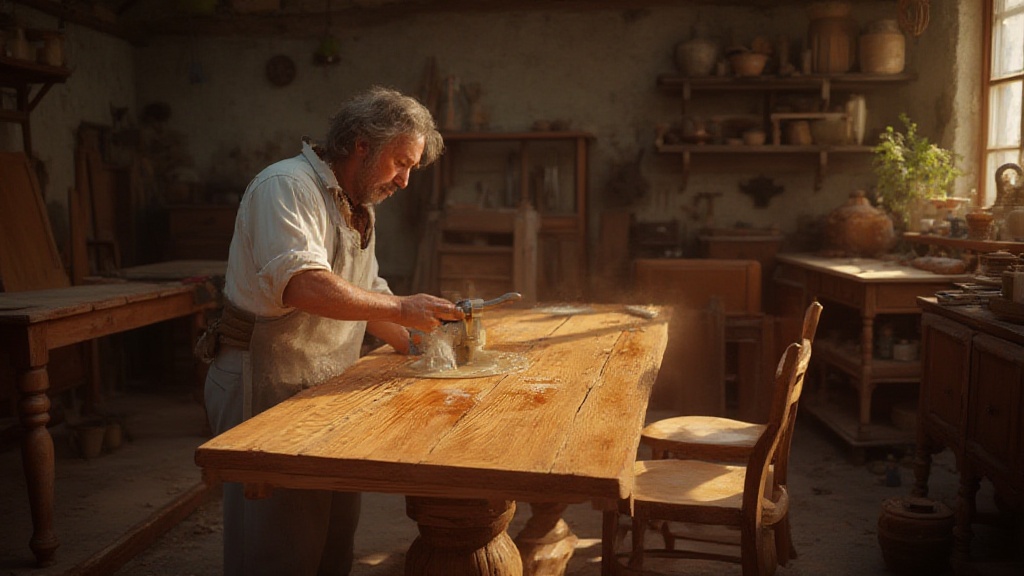
Transforming oak furniture through oiling is a rewarding task that enhances its natural beauty. Implementing the right techniques can significantly boost furniture longevity and aesthetic appeal.
Regular application not only celebrates the oak’s stunning wood grain but also provides essential surface protection.
Start by cleaning your piece thoroughly to allow for optimal oil absorption, ensuring the wood is ready to soak up nourishment.
After selecting a high-quality oil, use a soft cloth for application, promoting a longlasting sheen. This process keeps your treasured furniture glowing and resilient for years to come.
Click here to learn more about: best oils for oak furniture care
Choosing The Right Natural Oils
Selecting the right oil for your oak furniture involves several key considerations.
Natural oils like linseed and tung oil provide distinct finishes; linseed offers durability while tung gives a quick-drying, water-resistant layer. The viscosity of these oils affects their application methods and final appearance.
Dense hardwoods such as oak benefit from oils that penetrate effectively for grain enhancement.
It’s important to consider drying time to avoid dust settling on wet surfaces.
Understanding Oil Properties
The properties of different oils greatly influence their suitability for various wood treatments.
Rejuvenating oils can enhance the furniture’s beauty while providing a protective finish. Selecting oils with a low viscosity ensures deeper penetration and optimal surface nourishment.
For example, artisan finishes like mineral oil are excellent for achieving a rustic aesthetic while maintaining wood longevity.
Importance of Eco-Friendly Options
Choosing ecofriendly products safeguards both your home and the environment. Sustainable options help you maintain beautiful furniture while respecting nature.
The application of wood polish and protective sealants made from natural ingredients contributes to your oak care practices without harmful chemicals.
DIY Tip: Experiment with different oil types on sample pieces to discover the best results for your furniture aesthetics.
Incorporating these techniques will not only enhance the visual impact of your oak furniture but also ensure its durability.
As you embark on your furniture maintenance journey, practice different refinishing techniques to achieve the desired effects while preserving its timeless character.
Essential Oak Care Techniques
Proper oak care is fundamental for preserving your furniture’s integrity. Moisture control is essential for maintaining wood longevity, as excessive humidity can lead to warping and dry conditions may cause splitting.
- Utilize a hygrometer to monitor humidity levels and maintain them between 30% and 50% for optimal oak preservation.
- Implement seasonal care routines tailored to oak. In summer, ensure ventilation; during winter, a humidifier can combat dryness.
- Prevent issues like splitting or warping by avoiding hot or wet items on surfaces and using coasters regularly.
By practicing these maintenance tips, you can significantly enhance your oak furniture’s durability and appearance. Wood treatments provide essential surface nourishment, ensuring a long-lasting sheen.
How To Achieve A Protective Finish
The process of achieving a protective finish is critical for safeguarding the beauty of oak furniture. Implementing specific steps allows you to apply a finish without compromising aesthetics. Start by thoroughly cleaning the surface to prepare it for application.
- Sand the surface to ensure a smooth application, allowing the finish to adhere properly. This step is crucial for the success of your final result.
- Select natural oils formulated for oak, such as tung oil or Danish oil, to maximize oil absorption that enhances protection while maintaining furniture aesthetics.
- Apply multiple thin layers of finish, allowing each to dry completely to avoid a gummy result, which can ruin the aesthetic. Traditional methods often yield the best outcomes.
Choose finishes that not only protect but also highlight the wood grain, ensuring your furniture remains beautiful and durable. Artisan finishes offer an opportunity to enhance beauty while ensuring furniture longevity through effective surface protection.
Oak Care and Finishing
- Maintaining humidity levels between 30% and 50% can significantly reduce the risk of wood damage.
- Regular application of wood treatments can extend the life of oak furniture by providing essential nourishment.
- Using natural oils like tung oil can enhance the protective qualities of the finish while preserving the wood’s natural beauty.
- Applying multiple thin layers of finish ensures better adhesion and prevents a gummy texture that detracts from aesthetics.
Tips For Effective Surface Nourishment
Maintaining the vitality of wood requires strategic surface nourishment. Consider the frequency of application based on usage; highly trafficked furniture demands nourishment every 3-6 months, while lightly used pieces may only need annual care.
Environmental conditions also influence this routine.
For instance, dry climates lead to faster moisture loss, necessitating more frequent treatments.
Focus on using natural oils that enhance oil absorption.
Products like tung oil and Danish oil not only nourish the wood but also provide a protective finish, ensuring longevity and beauty. Be cautious of synthetic additives, as they can deteriorate the integrity of your oak surfaces.
- Test new oils on hidden areas to ensure compatibility.
- Regular application helps in maintaining luster and preventing damage.
Combining surface nourishment with regular care instructions ensures a lasting impact on wood longevity and aesthetics.
Benefits Of Grain Enhancement Explained
Techniques to enhance the grain of oak can transform its appearance without compromising functionality. Grain enhancement such as staining and glazing adds depth, enriching wood aesthetics and highlighting natural textures. This process not only improves visual appeal but also ties back to the importance of oil absorption—well-nourished wood enhances the vibrancy of these treatments.
Choosing the Right Enhancement Methods
Prioritize selecting enhancement methods based on your wood type. Lighter oaks may benefit from darker stains that create contrast, while darker varieties might require lighter finishes to bring out their intricate grain details. Engaging with various application methods on sample pieces will help discover the best approach for your desired style.
- Using water-based stains offers a cleaner solution with easy cleanup.
- Allow enhancements to cure completely before applying a protective finish to ensure durability.
Integrating grain enhancement techniques within your furniture maintenance routine improves the overall aesthetics, ensuring that every piece not only functions well but also captivates the eye.
Aged Weathered Finishes
Aged weathered finishes evoke a sense of time-worn charm and character, widely recognized in rustic decor and vintage aesthetics. These techniques enhance surfaces to mimic the natural aging process, lending authenticity to furniture, walls, and various materials.
Techniques and Applications
Techniques involved in aged weathered finishes include distressing, layering, and color washing. Each technique achieves a sense of history and depth in design, suitable for both DIY projects and professional craftsmanship alike.
- Popular in farmhouse styles and rustic interior design.
- Techniques can include sanding, staining, and glazing for unique results.
- Consider using eco-friendly products for a sustainable approach.
Experiment with various methods on sample pieces to refine techniques, as finding a personal style within the realm of aged finishes can enhance your home’s character.
Tools commonly required for achieving these effects include brushes, spray guns, sandpaper, rags, and staining cloths; always adhere to safety measures when working with chemical finishes.
Surface Nourishment and Grain Enhancement
- Regular nourishment can extend the lifespan of wood surfaces by preventing cracking and fading.
- Natural oils like tung and Danish oil penetrate deeply, offering superior protection compared to synthetic alternatives.
- Grain enhancement techniques can increase the visual appeal of wood by showcasing its natural patterns and textures.
- Using eco-friendly products not only benefits the environment but also contributes to healthier indoor air quality.
Oil Absorption In Wood
Oil absorption significantly impacts the overall effectiveness of protective finishes applied to wooden surfaces. Various wood species, including oak and pine, exhibit different absorption rates.
This variability directly affects how well finishes adhere, ensuring durability over time.
Proper surface preparation is paramount; techniques like sanding and cleaning can greatly enhance absorption properties.
To determine optimal absorption rates for your specific wood type, conduct a small test in an inconspicuous area before full application of any protective finish.
This straightforward approach helps identify how the wood responds to oil absorption, thus preventing uneven finishes and ensuring desired protective qualities.
How To Maintain Furniture Longevity
Maintaining furniture longevity is essential for preserving the beauty and functionality of your pieces. Regularly applying natural oils nourishes wood, preventing it from drying and enhancing its natural grain characteristics.
Implementing long-term care strategies will effectively prevent wear and tear over time.
Long-term Care Strategies
- Routine cleaning: Use gentle materials to avoid scratches and maintain appearance.
- Protective measures: Coasters and placemats are effective at safeguarding surfaces from heat and moisture.
- Seasonal maintenance routines: Strategies should adapt to varying environmental conditions; consider proactive oiling every few months.
Eco-friendly products can significantly enhance the effectiveness of your maintenance routine, ensuring your furniture remains in prime condition for years to come. Explore artisan care techniques to preserve the aesthetic appeal while providing necessary protection for your wooden treasures.
Oil Absorption and Furniture Maintenance
- Different wood species can absorb oil at varying rates, affecting the adhesion and durability of finishes.
- Proper surface preparation, including sanding and cleaning, enhances the wood’s absorption properties.
- Regular application of natural oils can help maintain the wood’s appearance and prevent drying.
- Using eco-friendly products can improve the effectiveness of maintenance routines for long-lasting furniture care.
Best Application Methods For Oiling
Mastering the art of wood treatment is essential for showcasing oak’s natural beauty, while providing a protective finish. Each application method significantly impacts oil absorption and the resulting finish quality, allowing you to achieve a durable, nourishing layer.
Consider the following techniques to enhance both aesthetics and protection:.
- Brush Application: A natural bristle brush provides precise control, ensuring that oil reaches intricate details. This method maximizes oil absorption and beautifully enhances the wood grain.
- Cloth Application: A soft, lint-free cloth allows for a smooth, even spread across larger surfaces. This technique minimizes excess buildup, resulting in a consistent and appealing finish.
- Spray Application: Utilizing a spray gun enables the creation of a fine mist that delivers a streak-free layer. Ideal for extensive projects, this method ensures quick and uniform finish application.
- Sponge Application: Sponges are highly effective on flat surfaces, providing uniform distribution while effortlessly navigating corners. This method enriches the protective finish on your furniture.
- Roller Application: Designed for larger areas like tabletops, a foam roller offers rapid coverage while reducing fatigue, assuring a rich and nourishing finish.
By selecting the right tools and implementing these practical techniques, you can effectively maintain the beauty and longevity of your oak furniture.
Adopting proper application methods not only protects your furniture but also enhances its beauty for years to come.
| Application Method | Benefits |
|---|---|
| Brush Application | Precise control and enhanced oil absorption |
| Cloth Application | Smooth, even spread with minimal excess buildup |
| Spray Application | Quick, uniform finish with a streak-free layer |
| Roller Application | Rapid coverage for larger areas, reducing fatigue |
Oak Furniture Care Products Enhance Durability
How To Oil Oak Furniture Effectively