

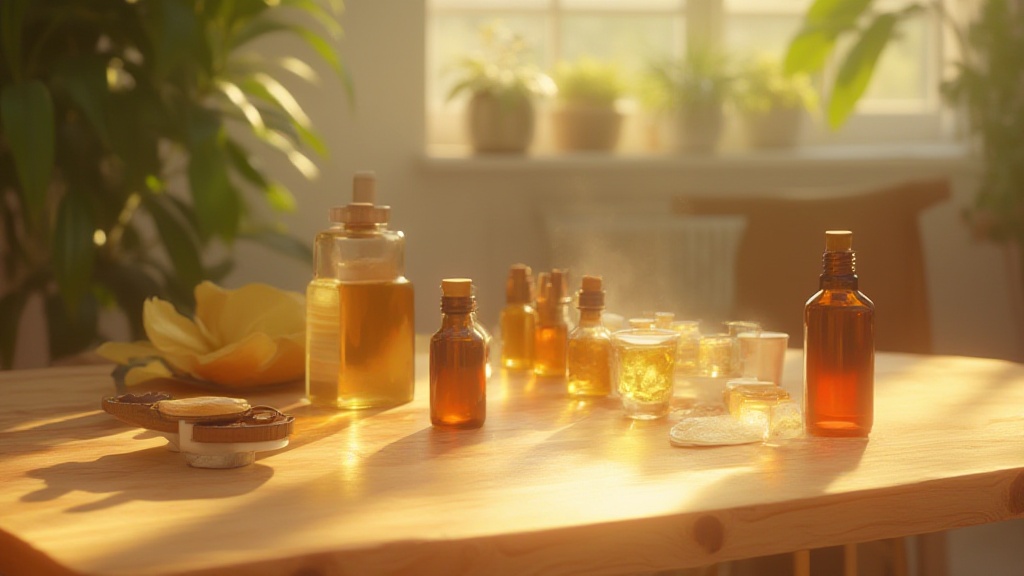
For oak enthusiasts, natural oils serve as the ultimate choice for maintaining beauty and durability. These oils not only provide a rich patina but also enhance the grain, creating stunning depth within your furniture.
Selecting ecofriendly finishes like linseed oil or tung oil can contribute to long-lasting wood preservation.
Such revitalizing oils nourish oak, ensuring it withstands the test of time while maintaining a gorgeous sheen.
Applying these oils regularly as part of your furniture care routine will keep your pieces vibrant and restore their natural luster, elevating any room’s aesthetics.
‘Click here to learn more about:’ best oils for oak wood care revealed
Choosing the Right Oil Finishes
Selecting the appropriate oil finishes involves considering the compatibility of each type with various wood species. Tung oil is particularly effective for oak as it offers deep penetration and a protective layer.
The drying times of each finish play a significant role; for instance, linseed oil requires a longer application time, while tung oil dries faster, allowing for swift project completion. Numerous DIY furniture restoration projects benefit from these distinctive oil properties.
Here are some key considerations:.
- Wood Preservation: Understanding how oil finishes enhance wood longevity is essential.
- Application Methods: Mastering technique can yield stunning results.
- Project Suitability: Dining tables thrive under the durability of tung oil, while lighter oils are ideal for decorative items.
Aesthetic Appeal: Utilizing different oils can enhance rustic appeal and showcase grain patterns beautifully.
Both oil-based solutions and organic finishes are pivotal in furniture maintenance. By choosing the right finish, you can achieve various aesthetics that resonate with both modern and vintage interior design styles.
How To Enhance Wood Grain
Enhancing wood grain significantly elevates furniture aesthetics, offering a beautiful and natural appearance. Sanding stands out as a primary technique; employing various grits can vastly improve grain visibility.
Begin with a coarse grit to eliminate imperfections, then transition to a finer grit for a smooth finish.
Staining complements this process by highlighting the unique patterns of the wood.
For exceptional outcomes, opt for quality stains specifically formulated for wood.
Referring to earlier discussions on wood selection ensures you choose species that showcase grain effectively. To streamline application, consider a grain-enhancing product such as linseed oil.
This nourishing oil accentuates the wood’s natural beauty and provides a protective layer.
What Is Wood Preservation
Preserving wood is essential for extending the lifespan of wooden items and safeguarding their beauty. Effective preservation treatments act as barriers against decay and environmental damage, significantly contributing to furniture longevity.
Regular furniture maintenance practices bolster these preservation efforts.
For indoor spaces, implementing clear varnishes provides excellent moisture resistance.
Exterior items, on the other hand, benefit from eco-friendly finishes, including wood sealants or natural oils designed for weather protection.
Committing to wood preservation enables homeowners to enjoy their furnishings for years while ensuring they retain their aesthetic appeal.
Wood Grain Enhancement and Preservation
- Sanding with varying grits can increase the visibility of wood grain by up to 50%.
- Quality stains can enhance the natural beauty of wood, making unique patterns stand out more prominently.
- Regular maintenance, such as applying clear varnishes, can extend the lifespan of indoor wooden furniture by protecting against moisture.
- Eco-friendly finishes used on outdoor furniture can reduce environmental impact while providing effective weather protection.
Tips For Furniture Care And Maintenance
Effective furniture maintenance practices can significantly extend lifespan while preserving beauty. Regular cleaning methods, like dusting with a soft cloth, prevent buildup that can scratch surfaces.
Utilizing eco-friendly wood finishes, such as beeswax or mineral oil, provides protective layers without harmful chemicals.
A useful tip is to clean furniture using a damp cloth paired with mild soap to avoid damaging finishes.
This routine ensures surfaces remain visually appealing and functional over time, allowing your oak furniture to retain its natural charm and character.
Essential Maintenance Practices
- Dusting: Use a soft, lint-free cloth regularly to remove dust and debris.
- Cleaning: For deeper cleaning, mix mild soap with water and gently wipe surfaces.
- Conditioning: Apply eco-friendly wood conditioners periodically to enhance protection.
Protective Finishes
Choosing the right wood finishes, like wax finishes or oil-based solutions, aids in improving surface protection. These finishes not only enhance wood aesthetics but also contribute to furniture longevity. Incorporating these into your routine can be an excellent way to maintain oak furniture.
Benefits Of Linseed Oil For Oak
A great choice for enhancing oak’s natural beauty is linseed oil. This oil offers unique properties that deeply penetrate wood fibers, providing essential wood nourishment. It forms a durable protective barrier, perfect for oak treatment. For instance, applying linseed oil to handcrafted oak furniture accentuates the rich grain while guarding against environmental damage.
Key Benefits of Linseed Oil
- Deep Penetration: Linseed oil deeply saturates wood, enhancing grain and texture.
- Protection: Creates a protective barrier against moisture and stains.
- Easy Application: Simple to apply, making it suitable for both DIY enthusiasts and professionals.
A Practical Example
Using linseed oil on a handmade oak table not only enriches its visual appeal but also fortifies it for long-lasting finish. This eco-conscious option serves those seeking sustainable furniture care solutions. Regular maintenance with linseed oil prevents cracking, enhancing overall aesthetics, ensuring your furniture remains vibrant and attractive.
Furniture Care
- Regular dusting can reduce the risk of scratches and preserve the finish of furniture.
- Eco-friendly wood finishes like beeswax and mineral oil are safer alternatives to chemical-laden products.
- Linseed oil not only enhances the grain of oak but also provides a protective barrier against moisture and stains.
- Routine application of wood conditioners can significantly extend the lifespan of furniture.
Tung Oil Applications
Tung oil, derived from the nut of the tung tree, stands out as a remarkable finish that is renowned for its deep penetration and warm glow. When compared to other finishes, this penetrating oil excels in durability and water resistance, providing a tough protective layer that enhances the wood’s natural beauty.
Benefits of Tung Oil
Benefits of using tung oil include:
- Durability: Creates a long-lasting finish that withstands wear and tear.
- Water Resistance: Offers protection against moisture, making it ideal for various applications.
- Natural Beauty: Enhances the grain, providing a rich patina that showcases the wood’s aesthetics.
- Easy Maintenance: Requires minimal upkeep, allowing for furniture longevity.
Application Techniques
To achieve optimal application of this oil finish, follow these techniques:
- Sanding: Start by thoroughly sanding the surface of the wood, ensuring even absorption.
- Layering: Apply thin layers with a clean cloth, allowing each coat to penetrate before applying another.
- Curing: For the best results, allow the oil to cure for several days. This will result in a long-lasting and resilient finish.
Proper application techniques are essential to achieving a beautiful, long-lasting finish.
Ecofriendly Finishes For Sustainable Care
Prioritizing ecofriendly finishes is crucial for both protecting the environment and preserving your wood surfaces. Nontoxic options like organic finishes play a significant role in sustainable care, ensuring minimal chemical exposure during wood preservation.
Importance of Nontoxic Finishes
Choosing ecofriendly finishes not only protects the wood but also reduces environmental impact. Examples of effective and safe ecofriendly products include:.
- Linseed Oil: Renowned for its durability and ecological benefits.
- Hemp Oil: Provides effective protection while being biodegradable.
- Water-Based Finishes: Offer durability without the harmful effects of traditional solvents.
Enhancing Sustainability
By selecting these ecoconscious options, you enhance your furniture’s longevity while contributing to a healthier home and planet. Utilizing biodegradable products aligns with eco-friendly practices in furniture maintenance.
By opting for sustainable finishes, you contribute to a more eco-friendly future.
| Feature | Tung Oil | Ecofriendly Finishes |
|---|---|---|
| Durability | Long-lasting finish that withstands wear and tear | Linseed Oil: Renowned for its durability |
| Water Resistance | Offers protection against moisture | Hemp Oil: Provides effective protection |
| Environmental Impact | N/A | Reduces chemical exposure and is biodegradable |
| Maintenance | Requires minimal upkeep | Water-Based Finishes: Durable without harmful solvents |
Achieving A Rich Patina Finish
The allure of aged wood stems from its rich patina, a testament to time and thoughtful care. Wood preservation naturally unfolds as it ages, enhancing its character and depth.
To cultivate a stunning patina on oak furniture, regular furniture maintenance is essential.
Engaging with oil finishes such as tung oil or linseed oil significantly contributes to this transformation.
These revitalizing oils nourish the wood, fostering a deeper connection with its natural grain.
- Choose the right oil for your furniture.
- Apply in a well-ventilated space.
Protecting and maintaining your patina involves simple yet effective techniques to shield it from environmental factors. Wood treatment through regular dusting and avoiding direct sunlight is essential for preserving this unique finish. Embracing these practices ensures your furniture not only retains its rustic appeal but also enjoys longevity and beauty.
Tips for Enhancing and Preserving Patina
To consistently achieve a natural finish, consider implementing various care techniques. Protective oils play a crucial role in maintaining the sheen of your wood surfaces. For instance, using beeswax or mineral oil can enhance the grain enhancement while keeping surfaces nourished. Applying a wax finish can bring out the wood’s natural beauty.
Regular maintenance tips: Dust frequently, use coasters to prevent moisture damage, and choose ecofriendly finishes for a sustainable approach.
Engaging with artisan oils not only rejuvenates the wood but also achieves a longlasting finish. Experimenting with different finishing styles will help uncover the perfect look for your pieces, ensuring they reflect your personal aesthetics while enhancing the overall interior design.
Achieving a Rich Patina Finish
- Regular application of oil finishes can enhance the depth and character of wood surfaces.
- Dusting and avoiding direct sunlight are essential practices for maintaining wood’s unique patina.
- Using protective oils like beeswax or mineral oil can prolong the life and beauty of wooden furniture.
- Experimenting with different finishing styles allows for personalization while improving overall interior design.