

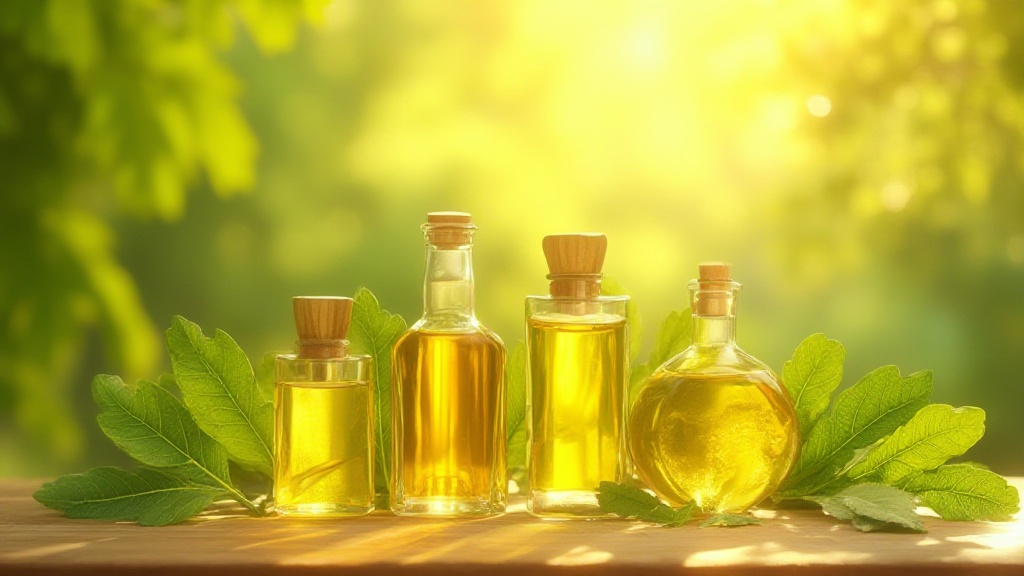
The beauty of oak wood is undeniable, drawing the interest of homeowners and artisans. Natural oils not only preserve but also enhance oak’s distinct allure, highlighting its vibrant grain and hues.
By utilizing nourishing oils like linseed oil or tung oil, you can create a remarkable finish that improves aesthetics and provides essential wood care.
Eco-friendly oils present sustainable maintenance alternatives, ensuring durability and moisture resistance for your oak furniture.
Embracing these natural treatments revitalizes your oak pieces, maintaining their charm and resilience for many years.
Click here to learn more about: best oils for oak furniture care
Choosing the Right Wood Finishes for Oak
Selecting an appropriate finish enhances durability and aesthetics. Wood finishes like oil finishes and eco-friendly varnishes safeguard oak from environmental factors while accentuating its natural grain.
Consider applying various techniques to amplify color and texture, adding depth to your projects.
Helpful Tips for Finish Selection
Testing finishes on scrap wood before application is essential; this allows you to ensure the final appearance aligns with your vision while preventing unexpected outcomes.
By thoroughly evaluating these finishing techniques, you enhance the beauty and resilience of your oak surfaces, turning them into lasting masterpieces.
Keep in mind that using water-resistant oils and breathable finishes can provide additional protection and longevity.
Aged Weathered Finishes for Rustic Appeal
Aged weathered finishes evoke a sense of charm and character, ideal for rustic decor and vintage aesthetics.
These techniques allow wood and other materials to replicate the natural aging process, imbuing authenticity into furniture and decor.
Popular Techniques
- Distressing: Applying techniques that create a worn look through scratching or denting.
- Color washing: Layering colors to achieve a soft, aged appearance.
- Glazing: Applying translucent layers that highlight the grain and imperfections.
These processes not only lend a sense of history but also offer unique results for DIY enthusiasts and professionals alike. Consider implementing eco-friendly products for a sustainable approach that resonates with modern sensibilities.
What Are Oil Finishes
Oil finishes represent an innovative method for enriching and preserving the inherent beauty of wood, particularly oak. These versatile coatings incorporate natural oils and additives that penetrate wood surfaces, creating a strong protective barrier.
Unlike conventional film-forming finishes that merely sit atop the wood, oil finishes soak into the grain, ensuring deep absorption.
This process results in a durable layer that defends against moisture and wear, making it ideal for a plethora of applications.
For optimal results, always apply oil finishes in thin, even coats using a clean cloth or brush, allowing each layer to dry thoroughly for seamless coverage.
Benefits Of Linseed Oil For Oak
The use of linseed oil emerges as an exceptional choice for elevating oak’s durability and aesthetic charm. This traditional oil finish undergoes oxidation during drying, resulting in a tough protective coating that effectively resists moisture and damage.
As linseed oil absorbs into the wood, it enhances the oak’s natural appearance while enriching its color and grain. To achieve the best results, apply linseed oil in several thin layers, ensuring each coat dries completely before the next application.
This approach creates a resilient barrier that not only protects the wood but also amplifies its timeless beauty, making it a preferred option among craftsmen and DIY enthusiasts alike.
Aged Weathered Finishes
Aged weathered finishes evoke an enchanting sense of time-worn charm and character, often featured in rustic decor and vintage aesthetics.
This technique enhances surfaces to replicate the natural aging process, lending authenticity to furniture, walls, and various materials.
Key aspects include:.
- Techniques: Involves aging wood and other materials to achieve a rustic, worn look.
- Applications: Commonly used in home decor, furniture restoration, and artistic endeavors.
- Processes: Can include distressing, layering, and color washing.
- Design Depth: Achieves a sense of history and depth in design.
- Craftsmanship: Suitable for both DIY projects and professional craftsmanship.
Each technique can vary significantly based on the desired level of aging and finish. Experimentation is key to discovering a personal style within the realm of aged finishes.
Oil Finishes and Linseed Oil
- Oil finishes penetrate deeply into wood, providing superior protection against moisture and wear.
- Linseed oil enhances the natural color and grain of oak, making it a popular choice for woodworkers.
- Applying multiple thin layers of oil allows for better absorption and a more durable finish.
- Aged weathered finishes can add character and authenticity to various materials, appealing to rustic design aesthetics.
How Does Tung Oil Work
Tung oil stands out among wood finishes for its impressive protective qualities, attributed to its unique polymerization process. When applied, this oil finish interacts with oxygen in the air, initiating a hardening reaction that creates a strong, durable layer.
This transformation enhances moisture resistance significantly, making it a prime choice for protective coatings on various wood surfaces.
For optimal results, it is important to allow a drying time of 24 hours between coats.
This waiting period ensures that each application cures fully, maximizing the effectiveness of the finish.
Following this technique allows for better absorption and enhances the overall aesthetic appeal of the wood grain.
Exploring Danish Oil Applications
Danish oil serves as a highly versatile option among oil finishes, suited for a variety of wood types. Its unique combination of oils and varnishes results in a distinctive finish that penetrates deeply, providing a protective layer that showcases the natural beauty of the wood.
For instance, using Danish oil in furniture maintenance can effectively restore and enhance the appearance of worn pieces.
This finish is particularly effective in the restoration of antique furniture, where its grain enhancement properties preserve rustic charm while delivering a durable finish.
Commonly sought after by both DIY enthusiasts and professional craftspeople, Danish oil supports various enhancement techniques. Incorporating it into projects not only improves aesthetic appeal, but also bolsters the surface’s finish durability.
For those interested in different applications, consider the following:.
- Crafting: Create unique items that highlight natural textures.
- Restoration: Use on furniture to breathe new life into beloved pieces.
- Home Decor: Apply to wood accents in rustic or vintage-style interiors.
Its ease of application ensures that achieving a beautiful finish becomes an accessible task for anyone, enhancing both professional projects and personal DIY endeavors.
Tung Oil and Danish Oil
- Tung oil creates a hard, durable layer through a polymerization process, enhancing moisture resistance.
- Danish oil combines oils and varnishes, providing a deep penetration that showcases the wood’s natural beauty.
- Both finishes are favored for their ease of application, making them accessible for DIY projects and professional use.
- Danish oil effectively restores and enhances the appearance of antique furniture while preserving its rustic charm.
The Role Of Mineral Oil In Preservation
The protective properties of mineral oil significantly enhance wood care. Primarily, mineral oil serves as a barrier against moisture and stains, effectively safeguarding wooden surfaces from potential damage.
Regular application establishes a protective coating that bolsters wood preservation and finish durability.
For optimal results, it’s advisable to reapply mineral oil every 4-6 weeks.
This frequency maintains a robust defense against moisture absorption and staining agents. Environmental factors, like humidity, may require adjustments to this schedule, ensuring long-lasting protection for your wood finishes.
Benefits of Mineral Oil in Wood Maintenance
Utilizing mineral oil contributes to various aspects of wood preservation:
- Moisture Resistance: Provides a moisture-resistant layer that prevents damage.
- Stain Protection: Acts as a shield against stains from spills.
- Enhanced Aesthetics: Revitalizes the natural grain and color of wood.
Applying mineral oil helps maintain a beautiful appearance, making it essential for effective furniture maintenance.
Techniques For Wood Care And Maintenance
A structured routine plays a critical role in preserving the beauty of your wood finishes. Regular cleaning prevents dust buildup, ensuring surfaces remain pristine and vibrant. Implement a gentle soap solution for monthly deep cleaning, which supports aesthetics and texture enhancement.
Cleaning and Conditioning Routine
Consistent care includes:.
Suggested Routines:
– Dust surfaces weekly
– Clean thoroughly monthly
– Condition with eco-friendly oils every 2-3 months
Conditioning with nourishing oils maintains sheen and protects against drying, ensuring wood preservation. Each aspect of this routine contributes to finish durability, making your furniture not only an aesthetic feature but also a long-lasting asset in your home.
Mineral Oil in Wood Care
- Mineral oil is a non-toxic option, making it safe for household use.
- Regular application can extend the lifespan of wooden furniture by preventing cracks and splits.
- Mineral oil enhances the natural beauty of wood, giving it a richer appearance.
- It is easy to apply and requires minimal tools, making wood maintenance accessible for everyone.
Can Organic Finishes Enhance Aesthetics
The choice of organic finishes can substantially transform the appearance of wood, particularly with oak, allowing its natural beauty to shine. Natural oils such as tung oil not only enhance the wood’s grain but also create a warm, inviting atmosphere in any space.
By opting for eco-friendly finishes, homeowners can significantly improve indoor air quality, reducing the presence of harmful emissions commonly found in synthetic alternatives.
These organic options provide remarkable wood protection, ensuring that the furniture lasts longer while celebrating its inherent characteristics.
For those looking to add a suitable finish, consider using a penetrating oil like linseed oil.
This finish not only enriches color and texture but also allows the timber to breathe, ensuring moisture resistance and longevity.
Aged Weathered Finishes
Aged weathered finishes evoke a sense of timeless charm and character, making them ideal for rustic decor and vintage styles. These authentic techniques mimic the natural aging process, adding depth to furniture, walls, and various materials.
Techniques such as distressing, layering, and color washing are commonly employed, enhancing the texture and lending a unique patina that tells a story.
- Distressing techniques create a worn look that adds character.
- Color washing can introduce soft hues for a vintage aesthetic.
- Layering different finishes can achieve a complex look.
Suitable for both DIY enthusiasts and professional craftsmanship, these techniques can be applied to wood, metal, glass, and textiles, making them versatile for various projects. When seeking to achieve an aged finish, consider using eco-friendly products to ensure a sustainable approach to restoration.
Organic and Aged Finishes
- Natural oils like tung oil enhance wood grain while improving indoor air quality.
- Penetrating oils such as linseed oil provide moisture resistance and longevity to wood.
- Aged weathered finishes utilize techniques like distressing and color washing to add character and depth.
- Eco-friendly products in restoration promote sustainability while achieving desired aesthetics.