

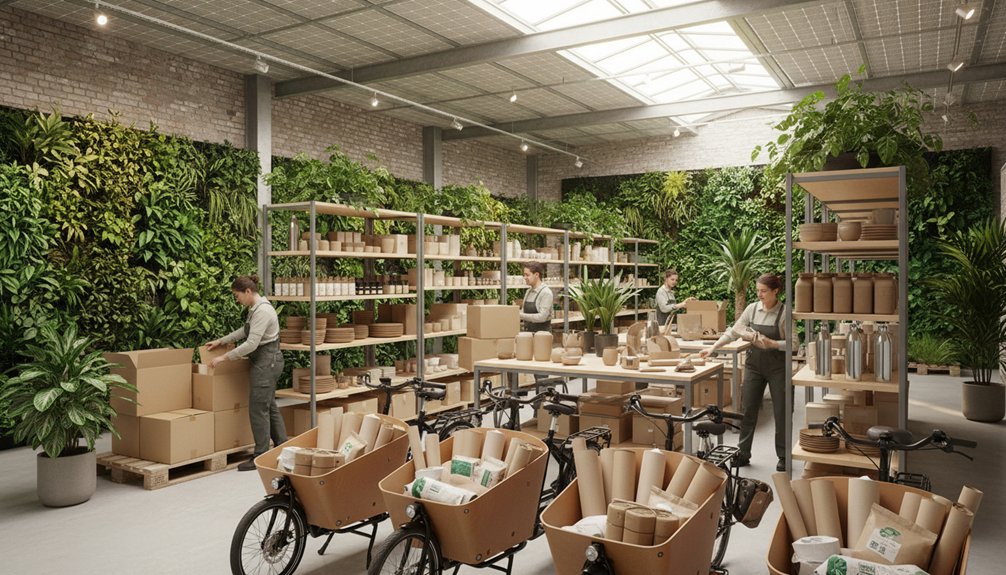
Sustainability impacts Dutch dropshipping through strict Extended Producer Responsibility (EPR) laws. These laws require dropshippers to register with waste management organizations. You must pay fees based on the weight of your packaging materials. For packaging, you need to meet mandatory recycled content standards: 70% for cardboard, 30% for plastic films, and 50% for rigid plastics.
As a dropshipper, you will experience cost increases ranging from 8% to 18%. These increases stem from certification fees, costs for eco-friendly packaging, and expenses for carbon offset programs. The 2025 Circular Economy Action Plan adds another layer of complexity by demanding that you track the origins and disposal methods of your products thoroughly.
Understanding EPR compliance and its associated costs is essential for navigating Dutch regulations. This knowledge allows you to build consumer trust by demonstrating your commitment to sustainability. Implementing these practices not only helps you comply with the law but also positions your business favorably in a market that increasingly values environmentally responsible practices.
Dutch EPR Laws and Packaging Directives Every Dropshipper Must Follow
Since January 2023, Dutch dropshippers must comply with stricter Extended Producer Responsibility (EPR) laws regarding packaging waste.
Dutch dropshippers must register with appropriate waste management organizations to report the packaging materials they place on the market. This requirement means that dropshippers must track and manage boxes, bubble wrap, and shipping materials after delivery.
EPR compliance mandates that dropshippers pay fees based on the type and weight of packaging used. These fees fund recycling programs throughout the Netherlands.
Dropshippers need to maintain detailed records of all packaging materials used and submit annual reports to the governing bodies.
To reduce costs and environmental impact, many dropshippers are exploring packaging innovations. Switching to recyclable materials reduces EPR fees, while using minimal packaging helps in waste reduction.
Choosing eco-friendly packaging alternatives not only lowers compliance costs but also attracts sustainability-conscious customers.
Sustainable Packaging Requirements for Dutch Dropshipping Compliance
To operate a dropshipping business legally and sustainably in the Netherlands, you must comply with three crucial areas of Dutch packaging regulations.
First, Dutch packaging laws require you to package and label products according to specific standards. This means you must ensure that your packaging materials meet the criteria set forth by the law, including the correct labeling of materials used.
Second, you must adhere to mandatory recycling content requirements. This involves incorporating a minimum percentage of recycled materials in your packaging. For instance, if the law specifies a 30% recycled content requirement, your packaging must reflect that percentage.
Third, Extended Producer Responsibility (EPR) rules hold you financially accountable for the entire lifecycle of your packaging waste. This means you need to plan for the disposal and recycling of your packaging once it has served its purpose.
You’ll need to register with a waste management organization and pay fees that support recycling efforts.
Dutch Packaging Laws Overview
The Netherlands enforces strict packaging regulations that affect your dropshipping business. You must comply with the Extended Producer Responsibility (EPR) directive. This directive requires you to take financial responsibility for packaging waste. To meet this requirement, register with Afvalfonds Verpakkingen and pay fees based on the packaging materials you introduce to the Dutch market.
You must participate in national recycling programs. These programs ensure proper collection and processing of packaging waste. The law mandates that you keep detailed records of all packaging types and quantities you distribute. Failure to comply results in significant fines and potential restrictions on your business operations.
Verify that your suppliers use recyclable materials whenever possible. This step is crucial to maintaining compliance with Dutch packaging laws.
Understanding and adhering to these regulations protects your business from legal issues and supports environmental sustainability goals.
Mandatory Recycling Content Standards
When you dropship to customers in the Netherlands, you must ensure your packaging materials meet specific recycled content standards. The Netherlands mandates minimum percentages of recycled materials for various packaging types. Knowing these standards helps you choose eco-friendly materials that comply with regulations and support recycling efforts.
Here are the minimum recycled content requirements for different packaging types:
| Packaging Type | Minimum Recycled Content | Common Materials |
|---|---|---|
| Paper/Cardboard | 70% | Corrugated boxes, mailers |
| Plastic Films | 30% | Poly mailers, bubble wrap |
| Rigid Plastics | 50% | Containers, protective cases |
| Glass | 60% | Protective inserts, bottles |
| Metal | 40% | Tin containers, aluminum |
To comply with these standards, you need documentation that proves your packaging meets the required percentages. Request recycled content certificates from your suppliers. Failing to meet these standards can result in fines and restrictions on sales. Therefore, it is crucial to choose vendors who prioritize sustainable materials and maintain transparent supply chains.
Extended Producer Responsibility Rules
As a dropshipper serving Dutch customers, you must comply with Extended Producer Responsibility (EPR) laws, which hold you accountable for the entire lifecycle of your packaging materials.
Compliance requires you to register with Dutch authorities and pay fees that fund the collection and recycling of your packaging. You can’t simply ship products without considering the implications of packaging disposal; your responsibility extends from production to disposal.
EPR laws motivate dropshippers to reduce packaging waste and opt for recyclable materials. You must track the weights of your packaging, report these figures annually, and demonstrate compliance through certified waste management partners.
Failing to comply with EPR regulations can lead to significant fines, which can impact your business operations.
Many dropshippers partner with EPR compliance services to manage registration and reporting. These services help ensure that you contribute to the Netherlands’ goals for a circular economy.
Cutting Carbon Emissions in Cross-Border Dutch Dropshipping
When you operate a cross-border dropshipping business in the Netherlands, you must prioritize reducing carbon emissions for environmental responsibility and regulatory compliance.
Focus on three actionable strategies:
1. Optimize International Shipping Routes**: Analyze your shipping routes to minimize transportation distances. Use route optimization software** to calculate the most efficient paths. This reduces fuel consumption and lowers shipping costs, ultimately decreasing your carbon footprint.
2. Implement Carbon-Neutral Packaging Solutions**: Choose packaging materials that are either recyclable** or made from recycled content. Partner with suppliers who offer carbon offset programs to balance the environmental impact of your packaging.
This practice not only helps the environment but also appeals to customers who value sustainability.
3. Establish Local Warehouse Distribution Networks**: Set up warehouses in key locations across Europe to shorten shipping distances**. By storing inventory closer to your customers, you reduce the need for long-distance shipping, which cuts down on emissions and delivery times.
These strategies will help you meet Dutch sustainability standards while improving operational efficiency.
They also enhance your appeal to eco-conscious consumers, driving growth in your business.
Optimizing International Shipping Routes
Cross-border dropshipping businesses can achieve a significant reduction in their carbon footprint, potentially by as much as 30%, through effective route optimization.
Implementing sustainable logistics practices enables businesses to select the most efficient shipping paths, which directly impacts both environmental outcomes and delivery efficiency.
To optimize shipping routes effectively, focus on these specific strategies:
- Consolidate shipments to minimize the number of trips between countries. This reduces fuel consumption and lowers emissions associated with transportation.
- Select carriers that utilize fuel-efficient transportation methods and alternative energy sources. Choosing the right carrier can significantly decrease the overall carbon footprint of shipments.
- Choose regional distribution centers strategically located near your European customer base. This shortens delivery distances and enhances speed while reducing environmental impact.
- Analyze shipping data to identify patterns in delivery routes. This analysis helps eliminate unnecessary detours, ensuring that shipments take the most direct and efficient paths.
Carbon-Neutral Packaging Solutions
Optimizing shipping routes reduces emissions during transport. However, selecting the right packaging materials is crucial for minimizing the environmental impact of your dropshipping business. Carbon-neutral packaging solutions help you meet sustainability goals and satisfy customer expectations.
You can choose biodegradable materials, such as cornstarch-based packing peanuts, mushroom packaging, or recycled cardboard, to replace traditional plastics. These alternatives decompose naturally and don’t harm the environment.
Implementing eco-friendly designs reduces waste by eliminating excess packaging. Using minimalist approaches still provides adequate protection for products during shipping.
Suppliers increasingly offer plant-based mailers, compostable bubble wrap, and paper tape as standard options. By partnering with vendors who prioritize sustainable packaging, you showcase environmental responsibility to Dutch consumers who value green practices.
This commitment strengthens your brand reputation and helps reduce the carbon footprint of international e-commerce operations.
Local Warehouse Distribution Networks
Because dropshipping products often travel thousands of miles from Asian manufacturers to Dutch customers, this process generates high carbon emissions. You can reduce these emissions significantly by developing local warehouse distribution networks within the Netherlands or nearby European countries. This strategy combines local sourcing with effective inventory management, allowing you to minimize shipping distances and environmental impact.
Local warehousing directly reduces transportation emissions by shortening delivery routes. Shorter delivery routes lead to lower carbon footprints and contribute to sustainability efforts. Faster delivery times enhance customer satisfaction, as customers receive their orders more quickly. Lower shipping costs result from regional distribution, which allows you to pass savings onto customers or reinvest in your business.
Better inventory management comes from real-time stock monitoring, enabling you to respond quickly to demand changes and avoid overstock situations.
Establishing local warehouses isn’t without challenges. You need to consider the upfront costs of setting up these facilities and the logistics of managing multiple locations. Additionally, you must assess regional demand to ensure your investment in local warehousing aligns with customer needs.
However, the benefits of reduced emissions, faster delivery, lower costs, and improved inventory oversight outweigh these challenges.
To summarize, local warehousing directly supports your dropshipping operation by lowering emissions, enhancing delivery speed, cutting costs, and improving inventory control. If you want your dropshipping business to be more sustainable and efficient, investing in local warehouse networks is a practical step forward.
Local vs. International Suppliers for Dutch Dropshipping Sustainability
When building a sustainable dropshipping business in the Netherlands, selecting between local and international suppliers directly influences your environmental impact. Local suppliers reduce transportation distances, which lowers carbon emissions and speeds up delivery times. Additionally, local sourcing enhances quality control and fosters better collaboration with suppliers.
This collaboration enables you to verify sustainability practices directly and address any issues promptly. In contrast, international suppliers typically offer lower prices and a broader range of products. However, this choice comes with increased shipping emissions and longer delivery times.
A practical solution is to adopt a hybrid approach by partnering with European suppliers. This strategy minimizes environmental impact while still maintaining competitive pricing. To make informed decisions, calculate the carbon footprint of each supplier option, taking shipping methods and distances into account.
Many Dutch consumers increasingly favor businesses that prioritize local sourcing, making this a responsible and strategic choice for your business. Focus on local suppliers to enhance sustainability, but also consider the benefits of European partnerships for a balanced approach.
Eco-Certifications That Boost Dutch Dropshipping Conversion Rates
As Dutch consumers increasingly focus on sustainability, showcasing recognized eco-certifications on your dropshipping store can significantly enhance trust and drive sales.
Eco-certifications serve as tangible proof of your commitment to environmentally friendly practices, which directly affects purchasing decisions. Familiarizing yourself with the benefits of these certifications enables you to choose the credentials that resonate with your target market and foster consumer confidence.
To improve your Dutch dropshipping business, consider implementing these key certifications:
- EU Ecolabel: This certification is the official environmental quality mark for Europe and is easily recognizable by Dutch consumers. Displaying it enhances credibility.
- Fair Trade Certified: This certification indicates that your products are sourced ethically, ensuring fair labor practices and worker welfare. It appeals to socially conscious buyers.
- FSC Certification: This certification verifies that your paper and wood products come from responsibly managed forests. It reassures customers about sustainable sourcing.
- GOTS (Global Organic Textile Standard): This certification is crucial for organic clothing and textile products. It demonstrates adherence to environmental and social criteria.
Prominently display these certifications on your product pages and checkout screens. This visibility maximizes their potential to boost conversion rates and build trust with your customers.
Cost vs. Compliance: Balancing Margins With Dutch Green Standards
| Cost Factor | Impact on Margins |
|---|---|
| Certification fees | Increase margins by 2-5% |
| Eco-friendly packaging | Increase margins by 3-7% |
| Sustainable suppliers | Increase margins by 1-4% |
| Carbon offset programs | Increase margins by 1-3% |
| Compliance documentation | Increase margins by 1-2% |
Dropshippers manage costs by promoting their commitment to sustainability in marketing. Dutch consumers often choose to pay higher prices for products that are environmentally responsible. You can achieve healthy margins while adhering to regulatory standards by forming partnerships with sustainable suppliers. Utilize transparent pricing models that accurately reflect your investments in environmentally friendly practices. Understanding VAT implications for dropshipping transactions can further enhance your pricing strategy.
For example, if you pay certification fees, your product price may increase by 2-5%. If you switch to eco-friendly packaging, you can expect an additional 3-7% increase in costs. By sourcing from sustainable suppliers, you can increase costs by 1-4%, but this also enhances your brand image. Participating in carbon offset programs can add 1-3% to your product costs, while ensuring compliance documentation may increase costs by 1-2%.
Preparing for the Netherlands’ 2025 Circular Economy Action Plan
Prepare for the Netherlands’ Circular Economy Action Plan, which will take effect in 2025. This legislation will require dropshippers to implement sustainable practices that can be measured. The focus will be on extending product lifecycles and minimizing waste.
To prepare effectively, focus on these key areas:
- Document product lifecycles – Track the origin of products and their disposal after customer use. Use software tools to ensure accurate data collection.
- Establish repair and refurbishment partnerships – Collaborate with local repair services to offer customers options for extending the life of their products. Create a referral system that connects customers with these partners.
- Transition to recyclable packaging – Use materials that can re-enter production cycles. Evaluate current packaging options and replace them with sustainable alternatives that comply with the new regulations.
- Create take-back programs – Design systems that allow customers to return used products for recycling or refurbishment. Set clear guidelines and incentivize customers to participate in these programs.
Implement these changes now to avoid last-minute adjustments in 2025. Early adoption provides a competitive edge and ensures a seamless transition to sustainable practices.