
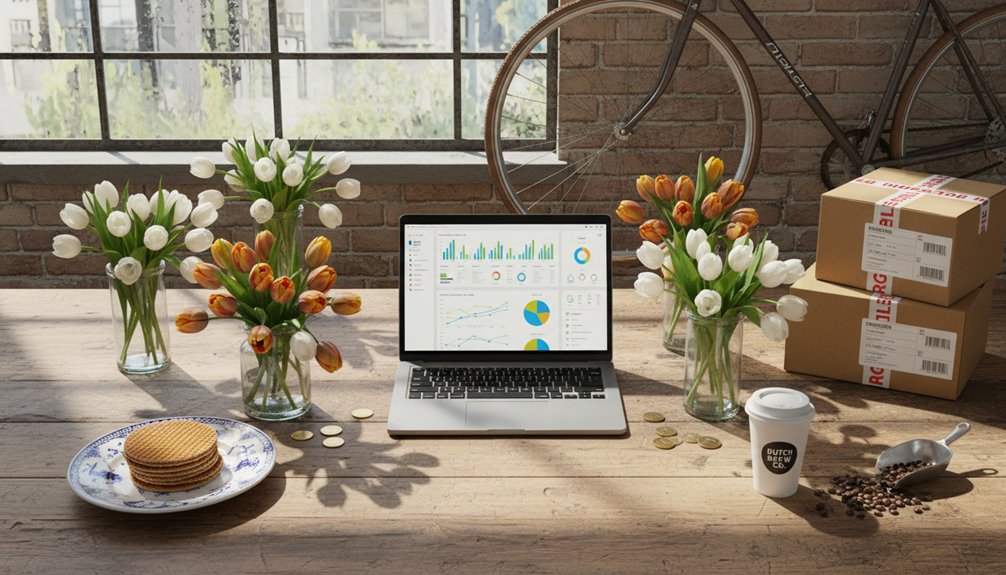
To succeed in Dutch dropshipping, prioritize fast delivery from EU suppliers, aiming for a shipping timeframe of 2-5 days. Implement iDEAL payment processing to cater to local customers, and ensure your website is fully available in Dutch. Focus on profitable niches such as sustainable home goods, cycling equipment, and tech accessories to leverage the average annual spending of €2,800 per consumer.
Once your sales exceed €10,000, you must register for VAT and also register with the Dutch Chamber of Commerce. Understanding these legal requirements is crucial for your business’s compliance and growth. The following sections will detail how to navigate these regulations, select high-demand products, and optimize your online store for the best conversion rates.
Start by ensuring all legal obligations are met to avoid penalties. Then, conduct thorough market research to identify winning products that align with local consumer interests. Finally, implement effective store design and marketing strategies to maximize conversions and sales.
Is the Dutch Dropshipping Market Actually Profitable in 2024?
The Dutch dropshipping market attracts entrepreneurs due to its strong e-commerce infrastructure and high internet usage, with a penetration rate of 96%.
Dutch consumers spend around €2,800 each year on online shopping, which creates significant opportunities for dropshippers. Specific niches, such as sustainable products and tech accessories, show steady growth, indicating where to focus efforts.
With €2,800 annual online spending per consumer, sustainable products and tech accessories present the strongest growth opportunities for Dutch dropshippers.
Dutch shoppers prioritize fast delivery and transparent pricing, which are critical factors for success in this market.
To capitalize on these consumer preferences, dropshippers must identify underserved segments and develop effective marketing strategies. You can achieve profit margins of 15-25% by working with reliable suppliers and targeting your marketing to resonate with Dutch consumers.
Additionally, ensuring compliance with Dutch Consumer Protection Act is vital for building trust and maintaining customer satisfaction.
Although competition is growing, understanding the market dynamics and consumer behavior can still yield profitable results in 2024.
Dutch VAT Registration and Legal Requirements Explained
Before you begin selling to Dutch customers through dropshipping, you must understand the VAT (Value Added Tax) requirements in the Netherlands.
Businesses must register for VAT once their annual sales exceed €10,000. If you meet this threshold, you’ll charge your customers 21% VAT on most products. However, some items qualify for a reduced VAT rate of 9%.
After registering for VAT, you must file quarterly returns. This means you’ll regularly report your sales and the VAT you have collected. Additionally, you need to maintain detailed transaction records to ensure compliance.
If you operate as a business entity, you must register with the Dutch Chamber of Commerce (KVK). This registration is essential to establish your legal presence in the market.
You must also adhere to consumer protection laws, which require you to display clear pricing that includes VAT. Furthermore, you need to provide proper return policies to your customers.
Failure to comply with these VAT regulations and legal obligations can lead to significant penalties. Therefore, understanding and managing these requirements is critical for your dropshipping business in the Netherlands.
Which Product Niches Are Selling Best in the Netherlands Right Now?
To establish a successful dropshipping business in the Netherlands, you must first identify the product niches that attract Dutch consumers. Current market analysis indicates that sustainable home goods, tech accessories, cycling equipment, health and wellness products, and pet supplies lead consumer preferences.
Sustainable home goods, such as reusable items and energy-efficient gadgets, resonate with Dutch buyers who prioritize eco-friendliness. These products often generate high sales due to increasing demand for environmental responsibility.
Dutch consumers increasingly choose sustainable home products, driving strong sales in reusable items and energy-efficient solutions that reflect environmental values.
Tech accessories, including phone cases and chargers, also perform well as consumers seek quality and durability.
Cycling equipment consistently sells due to the Netherlands’ strong cycling culture. Accessories like bike lights, maintenance tools, and safety gear are in high demand throughout the year, particularly as the cycling season peaks in spring and summer.
Health and wellness products, such as fitness equipment and ergonomic office supplies, remain popular as remote work continues to influence consumer behavior. The trend toward healthier lifestyles drives demand for items that support physical well-being.
Pet supplies also show strong sales, reflecting the high rates of pet ownership in the Netherlands. Products like pet food, toys, and grooming supplies consistently attract buyers.
When selecting products, prioritize quality over quantity. Dutch consumers conduct thorough research before purchasing, valuing durability and functionality.
Seasonal trends also impact sales; outdoor recreation products typically see increased demand during warmer months. By focusing on these product areas, you can position your dropshipping business for success in the Dutch market.
EU vs. China Suppliers: Which Ships Fastest to Dutch Customers?
Shipping speed impacts customer satisfaction and repeat purchases in dropshipping. Choosing a supplier location is crucial. EU-based suppliers deliver to Dutch customers in 2-5 business days. In contrast, Chinese suppliers typically take 15-30 days for standard shipping.
Fast shipping from European warehouses aligns with Dutch expectations, leading to fewer customer complaints and refund requests.
Chinese suppliers may offer lower product prices. This can appeal to price-sensitive customers despite longer shipping times. However, reliability is also essential. EU suppliers generally provide better tracking systems and consistent delivery schedules.
Chinese suppliers can vary in dependability, so thorough vetting is necessary before forming partnerships. Additionally, partnering with local suppliers can further optimize delivery times and enhance customer satisfaction.
Your decision should balance shipping speed with profit margins. Consider your target customers’ priorities when choosing between EU and Chinese suppliers.
Fast shipping enhances customer satisfaction, while competitive pricing can attract budget-conscious buyers. Make informed decisions based on these factors to optimize your dropshipping business.
How to Build a Dutch Dropshipping Store That Converts
Building a successful dropshipping store for Dutch customers requires a focus on localizing the shopping experience. You need to design product pages that highlight the unique value of your offerings. Use clear images, detailed descriptions, and customer reviews to build trust and encourage purchases.
Integrate popular payment methods such as iDEAL and credit cards, which Dutch shoppers prefer. This step ensures that customers can complete their purchases smoothly without encountering payment issues.
Display all prices in Euros to provide clarity and prevent any confusion during the checkout process. Additionally, present your website content in Dutch. This localization helps customers feel more comfortable and understood while shopping.
Each of these elements—product page design, payment integration, and language localization—works together to improve your store’s conversion rate. When you prioritize these aspects, you reduce friction in the buying process and establish credibility with your target market.
Avoid generic approaches and focus on these specific strategies to build an effective dropshipping business.
Optimize Product Page Design
Your product pages play a critical role in converting visitors into paying customers. Dutch shoppers expect professional presentations, so you must build trust and reduce hesitation before they make a purchase.
Essential Product Page Elements:
- High-Quality Product Imagery – Use multiple angles and zoom functionality. Include lifestyle photos that show the product in real-life scenarios. Dutch consumers need clear details to feel confident in their purchase.
- Prominent Customer Reviews – Feature authentic testimonials and star ratings prominently near the buy button. Displaying reviews from other Dutch shoppers significantly increases your conversion rates.
- Clear Specifications – Organize dimensions, materials, and features in a table format. Provide clear shipping times and return policies upfront to minimize cart abandonment.
These essential elements work together to answer consumer questions and build confidence in your products.
Implement Dutch Payment Methods
Payment preferences in the Netherlands require specific attention to detail to enhance conversion rates. Prioritize integrating iDEAL, as about 60% of Dutch online shoppers prefer this method. iDEAL connects directly to customers’ bank accounts, ensuring quick and familiar transactions.
Next, include credit cards and PayPal to cater to a broader audience. Also, consider adding Bancontact for Belgian customers who may visit your store.
Ensure payment security to build consumer trust in the Dutch market. Display SSL certificates prominently on your website. Utilize payment gateways that comply with European PSD2 regulations to ensure secure transactions. Since Dutch consumers tend to be cautious about online purchases, visible security badges on your site can enhance trustworthiness.
Additionally, think about incorporating Klarna or Afterpay to provide buy-now-pay-later options, which are increasingly popular with younger shoppers.
Make your checkout process straightforward. Clearly display all accepted payment methods before customers begin the checkout process. Streamlining this experience can lead to higher conversion rates and lower cart abandonment.
Localize Language and Currency
To effectively encourage Dutch customers to complete their purchases, your online store must display prices in euros (€) and provide content in Dutch. These localization elements are crucial for building trust and facilitating seamless transactions.
1. Translate all content professionally. Native Dutch speakers should translate your product descriptions, checkout pages, and customer service messages. Automated translation tools often overlook cultural nuances, which can alienate potential buyers.
Hiring professionals ensures your content resonates with Dutch shoppers.
2. Format prices correctly. Use the standard Dutch format for pricing. Place the euro symbol after the amount, as in €24,99, and use commas instead of decimal points. This practice aligns with local expectations and enhances clarity.
3. Adapt your tone. Dutch consumers appreciate direct and honest communication. Avoid excessive marketing fluff. Instead, focus on delivering straightforward product information that clearly outlines benefits and features.
Making these adjustments creates a familiar shopping environment. This familiarity can significantly increase conversion rates among Dutch customers.
Marketing Tactics That Work for Dutch Online Shoppers
You’ve established your Dutch dropshipping store, but to attract customers effectively, you need targeted marketing strategies.
Dutch online shoppers prefer campaigns that engage them in their own language and reflect their cultural values. Utilize popular social media platforms like Instagram and Facebook, as these are where Dutch consumers spend their time.
You must also provide payment methods that Dutch shoppers trust, such as iDEAL and PayPal. Not offering these preferred options can lead to abandoned carts, resulting in lost sales before customers even reach the checkout page.
Localized Social Media Campaigns
Dutch consumers engage best with social media campaigns that reflect their cultural preferences. To succeed, adapt your strategies to prioritize authenticity and straightforward messaging.
Use regional targeting to focus on specific provinces or cities, ensuring your ads reach the right audiences with relevant content.
To achieve social media success in the Netherlands, follow these steps:
- Partner with local influencers to build trust with Dutch audiences. Local influencers have established credibility that international celebrities lack.
- Create Dutch-language content that incorporates local expressions and cultural references. This approach resonates with the audience and enhances relatability.
- Schedule posts during peak times when Dutch users are most active, typically in the evenings and on weekends. Posting during these times increases the chances of engagement.
These localized tactics foster cultural awareness and strengthen connections with potential customers.
Adjusting your social media strategy to align with Dutch preferences enhances your overall effectiveness in the market.
Dutch Payment Preferences
Nearly 70% of Dutch online shoppers abandon their carts when their preferred payment method is unavailable. To prevent this, integrate iDEAL, the leading payment system in the Netherlands, into your dropshipping store. iDEAL, a direct bank transfer method, represents over 60% of online transactions in the country.
Use payment gateways like Mollie and Adyen for seamless iDEAL integration, along with other popular options like PayPal and credit cards.
Building consumer trust is crucial. Display recognized payment logos prominently at checkout. Dutch customers prioritize security and transparency, so clearly show all payment options before they start shopping.
For Belgian border shoppers, consider adding Bancontact. If you offer subscription products, enable SEPA direct debit to cater to this market. By aligning your payment methods with local expectations, you’ll significantly improve your conversion rates.