
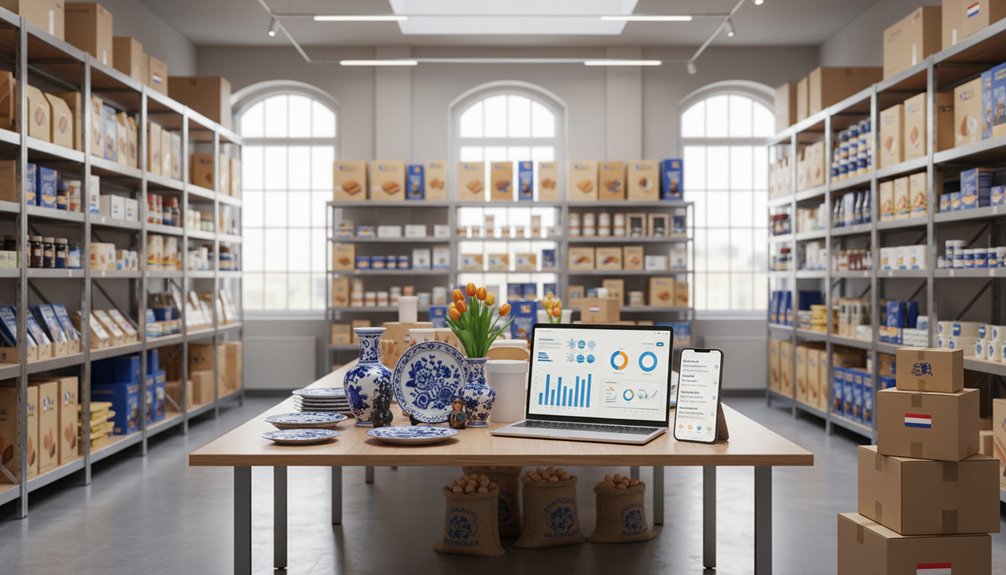
To succeed in Dutch dropshipping, integrate iDEAL payment processing to facilitate customer transactions. Register for VAT when your annual sales exceed €10,000 to comply with legal requirements. Partner with EU suppliers who can deliver products within two business days to meet customer expectations for fast shipping.
Translate your store into Dutch professionally to ensure clarity and understanding for your target audience. Implement the mandatory 14-day cooling-off period to align with Dutch consumer protection laws. Optimize your listings on Bol.com by using relevant keywords and setting competitive prices to attract more customers.
Focus on profitable niches such as sustainable products or pet accessories to tap into growing markets. Maintain transparent pricing and provide accurate product descriptions to build trust with Dutch consumers, who prioritize quality and efficiency in their purchases.
Understand the Dutch E-Commerce Market Before You Start Dropshipping
Before starting a dropshipping business in the Netherlands, you must understand the Dutch e-commerce market. The Netherlands has a highly digital population, with over 90% regularly shopping online. This high engagement creates numerous opportunities in various product categories, especially during peak seasons.
Dutch consumers prioritize free shipping, transparent pricing, and quick delivery, typically within two business days. If you plan to dropship, ensure your logistics can meet these expectations to attract customers effectively.
Sustainability is a key factor influencing consumer choices in the Netherlands. Dutch shoppers prefer brands that demonstrate environmental responsibility. To succeed, offer sustainable products and communicate your commitment to eco-friendly practices clearly.
Additionally, Dutch consumers conduct thorough research before making a purchase. They value detailed product descriptions that include accurate specifications. If your online store lacks this information, you risk losing potential sales.
Price sensitivity is common among Dutch shoppers. While they’re budget-conscious, many will pay a premium for high-quality products. Position your offerings to highlight their value and justify their price.
Mobile commerce is on the rise in the Netherlands. Ensure your online store is mobile-friendly to capture this growing segment of consumers who shop on their smartphones.
Lastly, familiarize yourself with local payment preferences. iDEAL is the most popular payment method in the Netherlands, so integrating it into your checkout process is crucial for customer satisfaction.
Choose Profitable Niches With Proven Demand in the Netherlands
Understanding the Dutch market is crucial for establishing a successful dropshipping business. Selecting the right niche directly impacts your revenue. Focus on specific product categories that Dutch consumers actively seek out. Conduct niche research to identify products with proven demand while steering clear of saturated markets.
| Niche Category | Demand Level | Competition |
|---|---|---|
| Sustainable Products | High | Medium |
| Home Office Equipment | High | High |
| Pet Accessories | Medium | Low |
Analyze search volumes using Google Trends Netherlands to confirm sustained interest in these categories. For example, eco-friendly items resonate well with Dutch consumers who prioritize sustainability. This creates opportunities in sustainable products where demand is high and competition is moderate.
Pet accessories maintain steady demand with relatively low competition. This niche allows you to target specific products that meet consumer needs without facing overwhelming rivalry.
Examine competitor pricing and gather customer reviews to understand successful strategies. Identify gaps in the market where you can offer unique value. This approach enables you to avoid competing solely on price while ensuring your offerings stand out. Additionally, understanding VAT implications on sales within the EU can aid in pricing strategies and overall profitability.
Source From Eu-Based Suppliers for Faster Dutch Delivery
When you source products from EU-based suppliers, you significantly reduce shipping times for Dutch customers. This method strengthens your dropshipping operations by ensuring faster deliveries, which is crucial because customers want their orders quickly.
Faster delivery not only boosts customer satisfaction but also increases repeat purchases.
Here are the specific advantages of partnering with European suppliers:
- Shorter Transit Times: With EU suppliers, orders usually arrive within 2-4 business days. This is a marked improvement compared to the typical 2-3 weeks for shipments from overseas suppliers.
- Lower Customs Complications: Shipping from within the EU eliminates extra fees and customs delays. This streamlines the buying process for Dutch customers, preventing frustration associated with international shipments.
- Easier Returns Processing: Handling returns is simpler when your supplier is located within the same trade zone. This efficiency can improve customer trust and loyalty. Additionally, the Polish dropshipping market is expected to grow significantly, providing more opportunities for strategic partnerships.
Handle Dutch VAT and Tax Requirements as a Dropshipper
Fast shipping from EU suppliers is irrelevant without compliance with Dutch tax laws. If your annual sales to Dutch customers exceed €10,000, you must register for VAT. This VAT registration enables you to collect and remit taxes correctly.
You need to understand when to apply Dutch VAT rates, which are currently set at 21% for most products. Your invoicing must include your VAT number, customer details, and itemized pricing for every transaction.
You must keep accurate records for a minimum of seven years. If you source products from outside the EU, you’ll face customs regulations that mandate proper documentation and payment of duties. Additionally, understanding corporate income tax is essential for managing your tax obligations effectively.
Collaborating with an accountant who specializes in Dutch dropshipping can streamline these processes. Failure to comply with tax regulations can lead to significant fines and could jeopardize your business operations.
Set Up iDEAL, Bancontact, and Other Required Payment Methods
To increase online sales in the Netherlands, integrate iDEAL into your checkout process immediately. iDEAL is the leading payment method in the Netherlands, making up over 70% of online transactions.
Adding Bancontact is essential for Belgian shoppers, as they frequently purchase from Dutch online stores.
Bancontact integration captures the Belgian market segment that regularly shops from Netherlands-based e-commerce platforms.
Here’s how to implement these payment methods effectively:
- Select a trusted payment service provider like Mollie or Adyen. These platforms support various secure transaction methods, ensuring reliable payment processing.
- Conduct thorough testing of each payment method before launching your website. This step guarantees that transactions process smoothly and customers receive proper order confirmations.
- Prominently display payment logos on your website. This practice builds trust with customers and reassures them that their preferred payment options are available.
Integrating secure payment methods like iDEAL and Bancontact helps reduce cart abandonment rates and significantly boosts conversion rates for your dropshipping business.
Translate Your Store and Product Pages for Dutch Buyers
When you want to sell to Dutch customers, translating your store and product pages requires more than just using an automated translator.
Professional translation services ensure that your product descriptions, checkout pages, and customer support materials use proper Dutch grammar and natural language. This builds trust with buyers.
Additionally, you must localize cultural references, adjust pricing formats, and convert measurement units to align with Dutch shopping habits.
For example, if you sell clothing, ensure size charts reflect European standards. If you list prices, display them in euros and format them correctly.
These steps help create a seamless shopping experience for Dutch customers.
Professional Translation Services Matter
Using machine translation tools like Google Translate often harms your credibility with Dutch customers. These tools fail to deliver accurate translations and overlook cultural nuances that native speakers expect.
Professional translators understand context, local expressions, and industry-specific terminology, which automated tools can’t replicate.
Investing in professional translation services provides:
- Accurate product descriptions that communicate features and benefits clearly, preventing confusion or misinterpretation for customers.
- Culturally appropriate messaging that aligns with Dutch shopping preferences and communication styles.
- Error-free checkout processes that establish trust and lower cart abandonment rates.
Professional translation isn’t merely about converting words; it’s about crafting an authentic shopping experience. Dutch customers can easily differentiate between amateur translations and professionally localized content, which directly influences your conversion rates.
Localize Cultural References Appropriately
Professional translation ensures linguistic accuracy, but your Dutch store needs more than correct grammar to succeed. You must adapt cultural nuances that resonate with local shoppers. This means that marketing localization involves replacing idioms and references that don’t resonate culturally with Dutch customers.
For example, American sports analogies don’t connect with Dutch customers who primarily follow football (soccer). Similarly, holiday promotions should emphasize Sinterklaas in December instead of focusing solely on Christmas sales strategies used in other markets.
You should also adjust imagery, colors, and symbols to align with Dutch cultural meanings. For instance, orange symbolizes national pride in the Netherlands. Certain gestures or phrases that are common in other countries might be perceived as inappropriate in the Netherlands.
You need to review product descriptions, email campaigns, and social media content to ensure they reflect Dutch values and communication styles, rather than relying on direct translations from your source language.
Focusing on these cultural adaptations will help your store connect more effectively with Dutch customers and drive sales.
Meet Dutch Consumer Protection and Return Policy Standards
When you dropship to customers in the Netherlands, you must comply with strict Dutch consumer protection laws governing online sales.
First, you must provide a mandatory 14-day cooling-off period for customers. This means customers can return products within 14 days of receiving their order without needing to provide a reason.
Second, you need to establish a clear refund process that outlines how customers can return items and receive their money back.
Lastly, you must provide transparent product information on all your listings, ensuring that customers know exactly what they’re purchasing.
Understanding these legal requirements is crucial for maintaining a good reputation with Dutch buyers. Non-compliance can lead to penalties, including fines and loss of customer trust.
Always ensure that your policies are visible and easy to understand for your customers. Being upfront about your return policy, refund process, and product details not only helps you stay compliant but also builds customer confidence in your store.
Mandatory 14-Day Cooling-Off
Under Dutch consumer protection law, online shoppers have a right to cancel most purchases within 14 days after receiving their order.
This policy allows customers to inspect products and change their minds without penalty. As a dropshipper, you must process these cancellations and issue refunds promptly.
To meet this requirement:
- State the 14-day return policy on your website. Include clear instructions on how customers can initiate a cancellation.
- Partner with suppliers who accept returns within the 14-day timeframe. Ensure they can handle the logistics of returns efficiently.
- Process refunds within 14 days of receiving the cancellation notice. You may wait to issue the refund until you receive the returned product.
Understanding and adhering to these consumer protection rules is essential.
It helps you avoid legal issues and fosters customer trust in your business.
Clear Refund Process Requirements
Establish a clear refund process that complies with Dutch consumer law. Your refund policy must specify the timeframe for issuing refunds, which is typically within 14 days of receiving the returned product.
Clearly state the refund method—whether you’ll return money via the original payment method or provide store credit.
During the cooling-off period, you’re legally required to cover return shipping costs. Make this information readily available on your website, so customers are aware before they make a purchase.
Outline the refund timeline in both your refund policy and confirmation emails to set clear expectations for customers.
Provide step-by-step instructions for initiating returns, ensuring customers understand how to proceed. Document all interactions and transactions to protect both your business and your customers.
By being transparent about your refund process, you’ll build trust with Dutch consumers and reduce the likelihood of disputes.
This approach not only keeps you compliant with the law but also fosters positive customer relationships.
Transparent Product Information Standards
How Detailed Should Your Product Descriptions Be?
To comply with Dutch consumer protection standards, your product descriptions must be thorough and accurate. You need to provide complete information for each item you sell. This commitment to product transparency isn’t optional; it’s a legal requirement in the Netherlands.
Dutch consumers expect honest and detailed product descriptions.
Include Material Composition and Dimensions
List the exact materials, sizes, weights, and technical specifications. Customers should know precisely what they’re purchasing.
For example, if you sell a textile product, specify the fabric type, weight, and dimensions. Clear details help customers make informed decisions.
Disclose Origin and Manufacturer Details
Provide information about where your products come from and who manufactures them. This transparency builds trust with your customers.
For instance, if a product is made in China, state that clearly. Ensure that all information is accurate to maintain credibility throughout your store.
Supply Usage Instructions and Warnings
Offer clear guidance on how to use your products properly. Include potential risks and necessary safety precautions.
For example, if you sell a kitchen appliance, include instructions in Dutch or English on how to operate it safely. Clear instructions help prevent misuse and protect consumers.
Conclusion
By prioritizing product transparency, you not only meet legal requirements but also build trust with your customers.
This approach can significantly reduce disputes and returns, creating a better shopping experience for everyone involved.
Scale Using Bol.com, Marktplaats, and Dutch Google Shopping
To effectively scale your dropshipping business in the Netherlands after validating your model, focus on three key platforms: Bol.com, Marktplaats, and Dutch Google Shopping. Each platform offers unique opportunities and requires specific strategies to maximize your reach and sales.
Bol.com: Optimize Listings for Success
Bol.com serves as a trusted marketplace in the Netherlands. To succeed here, optimize your product titles with relevant Dutch keywords to enhance visibility. Maintain competitive pricing to attract buyers.
Success on Bol.com demands Dutch keyword optimization in product titles and competitive pricing to maximize marketplace visibility and sales.
Additionally, monitor your seller metrics closely, as Bol.com favors reliable vendors. Fast delivery times significantly improve your seller rating, which in turn boosts your visibility.
Marktplaats: Leverage Local Reach
Marktplaats is crucial for targeting local buyers. Focus on providing clear local delivery options to enhance convenience for buyers. Competitive pricing is essential, especially for used items, as customers often compare prices directly.
Highlight the condition and specifics of used products to set yourself apart from competitors.
Google Shopping: Enhance Search Visibility
Dutch Google Shopping requires high-quality product feeds. Ensure your product feeds are accurate, particularly regarding shipping information. This accuracy improves your search visibility, which is vital for attracting potential customers.
Regularly update your product listings to reflect current inventory and pricing, which helps maintain relevance in search results.
Each platform demands tailored optimization strategies. By customizing your approach to Bol.com, Marktplaats, and Google Shopping, you’ll improve your chances of success in the Dutch dropshipping market.
Focus on clarity in your product listings and consistency in your pricing strategies to build a reliable reputation across these platforms.