

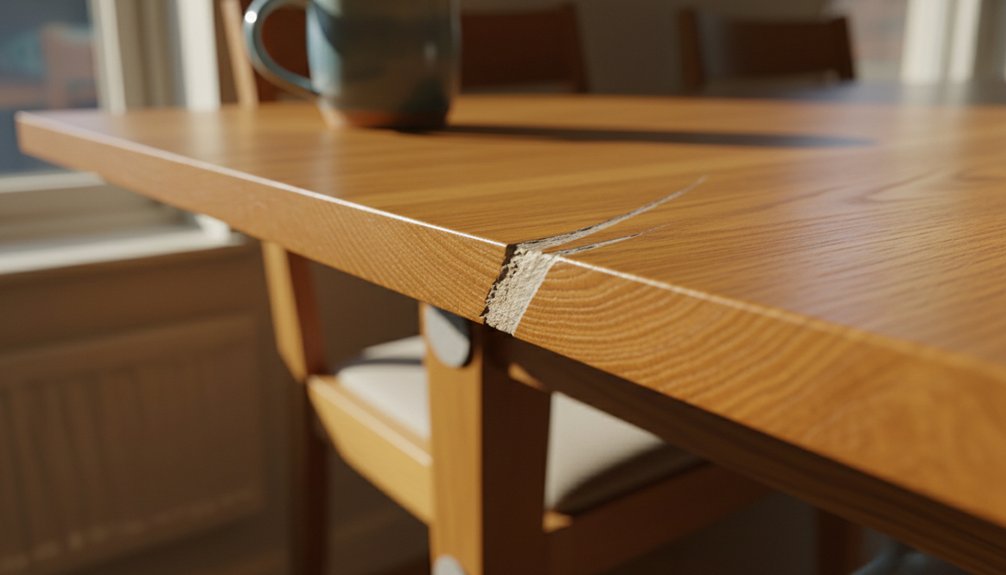
Preventing scratches on oak furniture is essential for maintaining its value. Minor scratches can lower resale prices by 20-40%. Oak furniture has an open-grain structure that makes it susceptible to damage from sharp objects and everyday use. Deeper scratches can prevent pieces from becoming valuable antiques.
Professional restoration can cost between $200 and $600 per piece, making prevention a more cost-effective option. Implementing simple habits, such as using coasters and placemats, can significantly reduce the risk of scratches. Regularly dusting with soft cloths also helps preserve the furniture’s condition and authenticity.
To keep your oak pieces looking pristine, consider specific protective measures and repair techniques. For example, always place hot dishes on trivets instead of directly on the surface, and avoid dragging objects across the furniture. By taking these steps, you can effectively protect your oak furniture from scratches and maintain its beauty for years to come.
Understanding Why Oak Furniture Is Susceptible to Scratches
Oak furniture is strong and durable, but it can still get scratched. The open-grain structure of oak has visible pores that can trap dirt and debris, creating weak spots on the surface.
When heavy or sharp objects move across these weak spots, they tend to leave scratches. The type of finish on oak furniture also plays a crucial role in its scratch resistance. A thin or worn finish doesn’t protect the wood fibers effectively, making scratches more likely.
Furniture placed in high-traffic areas shows wear more quickly than pieces located in less-used spaces. Knowing these factors helps you implement preventive measures to keep your oak furniture looking its best.
The Long-Term Impact of Scratches on Oak Furniture Value
Scratches on oak furniture significantly reduce its value over time.
When you decide to sell a piece, even small scratches can cut the resale price by 20-40%. Deeper scratches can prevent the furniture from being classified as a valuable antique.
If you want to restore the piece, you’ll need to invest in professional refinishing services, which can cost hundreds of dollars for each item.
To maintain the value of your oak furniture, it’s essential to take proper care and avoid scratches whenever possible.
Resale Value Significantly Decreases
When you decide to sell or hand down your oak furniture, minor scratches can significantly lower its market value by 20 to 50 percent compared to flawless pieces.
Buyers focus on furniture with minimal damage, and visible scratches directly impact your ability to sell. Well-maintained oak furniture holds its value for decades, demonstrating that the longevity of furniture correlates with the quality of care it receives.
Here are key factors to consider for maintaining your oak furniture’s value:
- First impressions shape buyer decisions: Buyers assess condition quickly when they first view your furniture.
- Repair costs lower offers: Potential buyers factor in the cost of repairs when making their offers, reducing your selling price.
- Documentation enhances your position: Having photos that show scratch-free surfaces from the time of purchase can strengthen your negotiation.
Taking steps to protect your oak furniture now ensures better investment returns in the future.
Each scratch you prevent helps maintain the piece’s original appeal and leads to higher prices in resale markets.
Antique Status Gets Compromised
If your oak furniture reaches antique status—meaning it’s 100 years or older—its value significantly increases, but only if its original condition is intact. Scratches can jeopardize this status.
Collectors and experts focus on originality during furniture appraisals, and deep scratches often necessitate restoration. Restoration can alter the piece’s authenticity and diminish its market value.
Professional restorers may refinish surfaces or replace damaged sections, which affects the historical integrity of the furniture. Auction houses and serious collectors prefer pieces with minimal damage and original finishes.
Even minor scratches accumulate over time, creating patterns that can’t be reversed without intervention. By preventing scratches now, you protect your investment for the future.
Keeping your oak furniture in excellent condition ensures it remains a valuable antique, rather than just old furniture.
Restoration Costs Add Up
Damaged oak furniture needs professional restoration, which can get expensive quickly.
Skilled craftspeople handle deep scratches, but their rates reflect their expertise. They’ll match wood stains, repair finishes, and sometimes replace entire sections of wood.
If you ignore minor scratches, they can worsen, leading to higher restoration costs.
Common restoration costs include:
- Wood refinishing services: $200 to $600 per piece
- Custom stain matching: starting at $100
- Replacement hardware and veneer repairs: $150 to $400
Investing in preventive measures now can save you from these significant expenses later.
Essential Protective Measures for High-Traffic Areas
High-traffic areas in your home require specific protective measures to maintain the integrity of your oak furniture. In these zones, such as entryways, living rooms, and dining areas, furniture is prone to scratches and wear due to constant movement and activity.
To safeguard your furniture, focus on these key strategies:
- Entryways: Place floor mats at the entrance to absorb dirt and moisture from shoes. Use table pads under decorative items to prevent scratches from bags and keys.
- Living Rooms: Equip furniture with coasters to protect surfaces from drink rings. Attach felt pads to the bottom of decorative items to minimize scratching when they’re moved.
- Dining Areas: Utilize placemats during meals to shield the table from hot dishes and spills. Consider using tablecloths for additional protection during gatherings.
- Hallways: Implement corner guards to protect furniture from bumps and scrapes. Lay down runners to shield the floor and provide a smoother walking surface.
Additionally, always use furniture coasters under the legs of tables and chairs to prevent indentations on flooring.
These practical additions will significantly reduce the risk of damage and help keep your furniture looking its best. By consistently applying these protective measures, you can extend the life of your oak pieces and maintain the overall aesthetic of your home.
Choosing the Right Furniture Pads and Covers
Furniture pads and covers protect oak surfaces from scratches, dents, and daily wear. You must choose the right pads based on the specific furniture piece and its use. Different types of furniture require different pad materials—use felt pads for lighter items and rubber pads for heavier pieces to prevent sliding.
Select furniture pads based on weight and use—felt for lighter pieces, rubber for heavier items needing grip.
When selecting pads, consider these factors:
- Pad thickness: Use thicker pads (3-5mm) for heavy furniture like dining tables. Opt for thinner pads (1-2mm) for decorative pieces.
- Adhesive quality: Choose pads with strong backing that won’t leave residue on your oak floors after removal.
- Material compatibility: Ensure the pads won’t react chemically with the finish on your floors.
Replace worn pads immediately to maintain effective protection for your oak furniture. Regular maintenance helps extend the life of both your furniture and your floors.
Daily Habits That Keep Your Oak Furniture Scratch-Free
Your daily habits significantly affect the condition of your oak furniture. You can prevent scratches and maintain a smooth surface by making a few simple changes.
Focus on three main actions:
First, always use protective mats under objects placed on your oak furniture. This prevents scratches caused by sharp edges or heavy items.
Second, lift objects instead of dragging them across the surface. Dragging can create scratches and damage the finish.
Finally, dust your oak furniture regularly using a soft, lint-free cloth. Proper dusting removes dirt and debris that can scratch the surface.
Use Protective Table Mats
Your oak table is vulnerable to scratches and scuff marks because plates, dishes, and serving bowls come into direct contact with its surface daily.
Using protective table mats creates a barrier that prevents damage to your furniture’s finish.
When you choose table mats, focus on these specific materials and their benefits:
- Cork or felt table mats provide cushioning and stay in place, preventing items from sliding around on your table.
- Decorative table mats enhance your dining room’s appearance while safeguarding the wood underneath.
- Heat-resistant silicone mats protect against scratches and thermal damage from hot dishes.
Position mats under frequently used items like fruit bowls, vases, and serving platters.
This strategy prevents the daily wear patterns that can accumulate over time.
Monitor the condition of your mats and replace any that show signs of wear, as damaged mats can actually lead to scratches instead of preventing them.
Lift, Don’t Drag Items
Dragging objects across oak surfaces damages the wood by creating friction. This friction grinds particles into the surface, resulting in visible scratches.
To protect your oak furniture, make lifting a standard habit. When moving decorative items, books, or electronics, grip each item firmly and lift it completely off the surface before repositioning.
Proper lifting techniques prevent wear on the finish of your oak furniture. Always check the area where you plan to set an item down. Ensure the surface is clear of debris that could scratch the wood. For heavier items like lamps or vases, use both hands and lower them gently onto the surface.
Teach all household members these practices. When everyone lifts instead of drags, your oak furniture maintains its smooth, unblemished appearance over time.
Focus on lifting to avoid damage and ensure the longevity of your oak surfaces.
Regular Dusting With Microfiber
Dust accumulation threatens oak furniture daily. Dust particles can scratch the surface when wiped, leading to damage. To prevent this, establish a regular dusting routine. Use microfiber cloths because they trap dust effectively without scratching the finish, unlike traditional dusters.
Here’s how to dust properly:
- Dust your oak furniture at least twice a week to minimize particle buildup.
- Use gentle, sweeping motions without applying pressure to avoid scratching.
- Wash microfiber cloths regularly to remove trapped dust and debris.
Always dust before applying any furniture polish or cleaner. This practice takes only a few minutes but significantly extends the lifespan of your oak furniture.
Consistent maintenance is easier than dealing with scratches later.
Proper Cleaning Techniques to Avoid Surface Damage
Oak furniture is durable, but improper cleaning can lead to microscopic scratches that dull its finish. Use pH-neutral cleaning solutions specifically formulated for wood surfaces. Harsh chemicals strip protective coatings and expose the wood to damage.
Always spray the cleaner onto a cloth instead of directly on the furniture to prevent moisture from entering joints and cracks.
Dusting techniques should complement your cleaning routine. Move the cloth in the direction of the wood grain to reduce the risk of trapping particles that scratch the surface. Slightly dampen your cloth—never soak it.
After cleaning, dry the area immediately with a separate clean cloth. This two-step process effectively removes dirt while safeguarding the finish of your oak furniture.
Repairing Minor Scratches Before They Worsen
Minor scratches can seem unimportant at first, but they can worsen quickly if not addressed. Ignoring these imperfections allows moisture to penetrate the wood, leading to more serious damage. By repairing scratches promptly, you save time and money on potential future repairs.
Address minor scratches immediately to prevent moisture damage and avoid costly repairs down the road.
Key steps for repairing scratches:
- Rub a walnut or pecan on scratches: Take the meat of the nut and apply it directly to the shallow scratches. The natural oils from the nut will fill the scratches and help blend them with the wood’s color.
- Use wood touch-up markers: Choose a wood marker that matches your furniture’s finish. Apply the marker to the surface scratches to conceal them. Always test the marker on a hidden area first to ensure a good match.
- Apply scratch-filling putty for deeper scratches: If the scratch is deeper, use wood putty to fill in the damaged area. Allow the putty to dry, then sand it lightly to achieve a smooth surface. After sanding, apply a matching stain to blend the repair with the surrounding wood.
Regularly inspecting your furniture helps you identify scratches early, making repairs easier and keeping your furniture looking its best.