

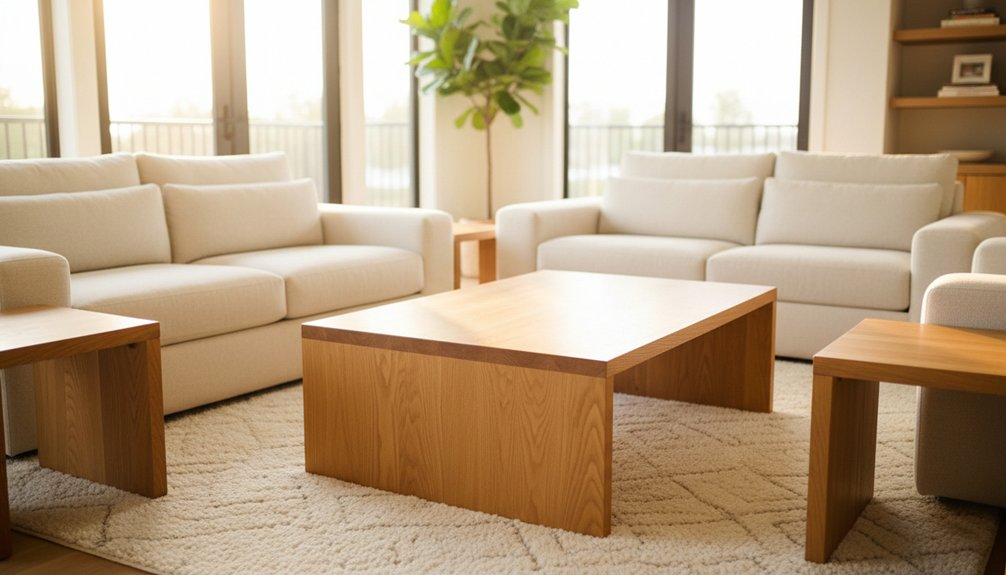
Oak furniture stands out for its durability due to its dense grain and natural oils. These features help oak resist scratches and daily wear, making it an excellent choice for living room furniture. Each oak piece displays unique grain patterns in warm honey to golden-brown tones, allowing it to fit seamlessly into various design styles, whether modern or traditional.
The longevity of oak means homeowners replace furniture less often. This not only saves money over time but also supports sustainable forestry practices. As the years go by, oak develops a rich patina that enhances its character, making each piece even more appealing.
In summary, when you choose oak furniture for your living room, you invest in durable, stylish pieces that will last. The practical benefits of oak, combined with its timeless aesthetic, make it a smart choice for any home.
Timeless Durability That Lasts Generations
Oak wood features dense grain patterns and natural oils, which help it resist wear when compared to softer woods like pine or poplar. This durability allows oak furniture to handle daily use without significant damage. Scratches, dents, and water rings affect oak less severely than they’d on other materials.
Therefore, investing in oak furniture means you’ll benefit from its durability for decades.
Oak furniture’s exceptional durability makes it a smart long-term investment that will serve your home reliably for generations.
When skilled artisans use proper joinery techniques to construct oak furniture, they enhance its natural strength. This craftsmanship ensures that pieces like tables, chairs, and cabinets can be passed down to future generations.
The structural integrity of oak remains intact over time, and it develops a rich patina that adds character. As a result, you won’t need to replace worn-out furniture every few years, which ultimately saves you money in the long run.
Natural Beauty and Grain Patterns
Oak wood features unique grain patterns that provide a level of visual interest that synthetic materials simply can’t achieve. Each piece of oak exhibits distinct markings, resulting in furniture that’s genuinely unique.
The grain texture can range from tight, straight lines to striking cathedral patterns, depending on the cut of the wood. These natural variations contribute character and depth to your living space.
Oak wood comes in a variety of natural hues, including light honey tones and deep golden browns. White oak typically has cooler undertones, while red oak displays warmer, rosy shades.
These colors blend well with almost any décor style you choose. The natural beauty of oak means you don’t need to rely heavily on decorations or accessories to enhance its appeal.
Oak stands out on its own, serving as an elegant focal point while maintaining a balanced aesthetic in your room.
Versatility Across Interior Design Styles
Oak furniture serves multiple purposes in various interior design styles, making it a versatile choice for homeowners. It complements modern aesthetics with clean-lined pieces that add warmth to spaces.
In farmhouse settings, oak furniture creates a rustic and cozy atmosphere, enhancing the overall charm of the room. For Scandinavian designs, oak provides natural elements that keep spaces light and airy.
In traditional interiors, oak offers a timeless and elegant foundation that withstands changing trends.
You can refresh your living room without replacing your oak furniture. Update accessories, paint colors, or textiles to create a new look around your existing pieces.
This approach not only saves money but also minimizes waste. Investing in oak furniture means you have a durable and adaptable option that evolves with your style preferences over time.
Investment Value and Long-Term Savings
Investing in oak furniture for your living room provides long-term financial benefits.
Oak furniture lasts longer compared to cheaper materials, which means you won’t have to replace it frequently. This durability leads to substantial savings over time.
Additionally, oak furniture retains its value well, making it a smart asset.
When you choose oak, you invest in quality that offers both functionality and aesthetic appeal for years to come.
Durability Reduces Replacement Costs
Oak furniture offers significant long-term value due to its durability. The initial investment in oak pieces pays off over the years as they withstand daily use without needing frequent replacement.
Cheaper furniture alternatives may look attractive at first, but they wear out quickly, leading to ongoing expenses for replacements every few years.
The dense grain structure of oak resists scratches, dents, and other forms of wear that often compromise lower-quality materials. When you invest in a solid oak coffee table or entertainment center, you ensure that these pieces maintain their structural integrity through numerous family gatherings and everyday activities.
This durability translates to substantial savings when you consider the total costs over two or three decades. Homeowners who choose oak furniture avoid the cycle of purchasing, disposing of, and replacing less durable options.
Timeless Appeal Maintains Value
Oak furniture holds its value better than trendy alternatives. Oak pieces retain both aesthetic appeal and monetary worth over time. When you invest in quality oak furniture, you secure a lasting asset for your home.
Consider these factors that contribute to oak’s value retention:
- A strong resale market exists for well-maintained oak furniture.
- Timeless designs align with various décor trends.
- Antique and vintage oak pieces often appreciate in value.
- The total cost of ownership for oak is lower compared to disposable options.
When design trends change, you don’t need to replace your oak furniture. Instead, you can refinish or restain it to match new styles.
This adaptability ensures your investment remains valuable for years to come.
Easy Maintenance and Care Requirements
Oak furniture resists scratches and dents better than softer woods. This durability means you spend less time worrying about daily wear and tear.
Regular dusting with a soft cloth keeps the furniture looking fresh. You don’t need specialized care products for routine maintenance. For spills, simply use a damp cloth with mild soap and dry the area immediately.
Oak’s tight grain structure repels moisture, reducing the risk of water damage. The wood’s natural oils protect against common household stains.
Unlike other types of furniture that require frequent polishing or refinishing, oak maintains its appearance with minimal effort. This means you focus more on enjoying your living space rather than constantly maintaining it.
Additionally, the protective finish on most oak furniture adds an extra layer of defense against damage.
Eco-Friendly and Sustainable Material Choice
Choosing oak furniture for your living room supports environmental sustainability.
Oak trees grow in renewable forests, where lumber companies plant new trees to replace those they harvest. This practice ensures a steady supply of oak wood while promoting forest health.
By using oak, you minimize your carbon footprint because oak furniture production relies on natural materials rather than synthetic alternatives.
Synthetic materials often come from fossil fuels and require energy-intensive manufacturing processes.
Therefore, opting for oak furniture not only enhances your living space but also contributes positively to the environment.
Oak’s Renewable Forest Origins
Oak furniture is a sustainable choice that comes from responsible forestry practices. Oak trees grow abundantly in North America and Europe, where sustainable forestry regulations ensure that forests are continuously replenished. When consumers buy oak furniture from certified sources, they support renewable resources and help protect natural ecosystems.
The oak harvesting process adheres to strict environmental protocols. Selective cutting maintains forest health and biodiversity. Every harvested tree is replaced through replanting programs. Certification systems, like the Forest Stewardship Council (FSC), verify that the sourcing is responsible. Managed forests absorb more carbon than old-growth stands, contributing positively to the environment.
Oak trees have an 80-120 year growth cycle. With proper forest management, this growth cycle allows oak to be a truly renewable resource.
Therefore, investing in oak furniture represents a commitment to sustainable forestry and ecological balance.
Reduced Environmental Carbon Footprint
Oak furniture contributes to reducing your carbon footprint in several significant ways.
First, oak trees absorb carbon dioxide as they grow. This carbon remains stored in the wood even after it’s turned into furniture. Consequently, oak furniture continues to offset carbon emissions for decades. When you select oak from sustainable forestry practices, you support operations that prioritize forest health and ongoing carbon absorption.
Additionally, oak furniture is known for its durability. This longevity means you won’t need to replace your furniture frequently, which reduces the manufacturing emissions linked to producing new items.
Enhanced Room Ambiance and Warmth
Oak furniture enhances your living room by providing warmth and character. The honey-toned grain patterns create a cozy environment that welcomes guests. The unique variations in the wood contribute to its aesthetic appeal, making it a versatile choice for various design schemes.
Oak furniture achieves warmth through several key features:
- Natural grain patterns capture and reflect light differently throughout the day, adding visual interest to the space.
- Honey and amber tones blend seamlessly with a range of color palettes and textiles, making it easy to coordinate with existing decor.
- Solid construction ensures durability and stability, giving the room a sense of permanence.
- Timeless appeal means that oak furniture remains stylish and relevant over time.
The organic texture of oak softens modern spaces while providing a sophisticated touch to traditional settings.