
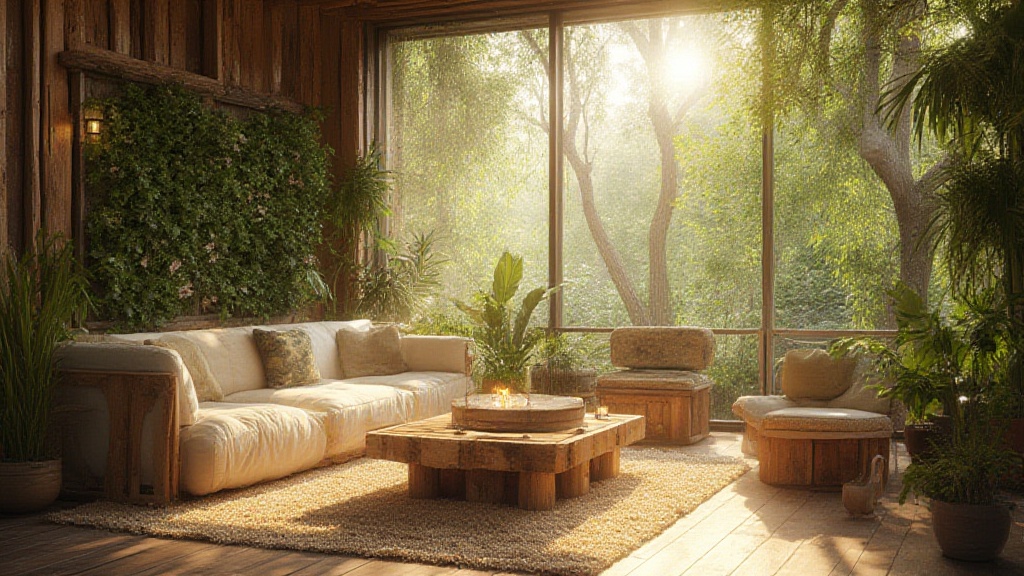
Sustainable living furniture represents a captivating shift in modern home design, where functionality meets environmental responsibility. Ecofriendly furnishings play a pivotal role, attracting homeowners who desire pieces that are not only stylish but also contribute to a low-impact living experience.
This unique approach combines reclaimed wood and biodegradable products to create stunning yet practical statements in any space.
The adaptability of these designs allows for a beautiful fusion of artistry and sustainability, enabling homeowners to cultivate inviting environments that reflect their commitment to the planet.
By embracing these sustainable choices, individuals are able to enjoy timeless elegance paired with durable materials, transforming their homes into sanctuaries that prioritize the Earth’s health.
Click here to learn more about: oak furniture
Choosing Ecofriendly Furnishings for Your Home
Opting for ecofriendly furnishings is essential for nurturing a sustainable home environment.
To ensure responsible sourcing, seek certified products, particularly those carrying the Forest Stewardship Council (FSC) label. This certification signifies that materials are sourced from sustainably managed forests, enhancing the value of your purchases.
Supporting Local Artisans
Sourcing local materials is a powerful way to reduce your carbon footprint.
Not only does this support community artisans and promote responsible consumption, but it also minimizes transportation emissions. Consider these options:
- Handmade pieces crafted by local artisans
- Discovering secondhand finds at nearby markets or thrift stores
- Utilizing natural fibers and upcycled materials in your decor
Each choice contributes to a home filled with unique charm and character, reflecting a commitment to environmentally conscious choices and stylish sustainability.
Understanding Aged Weathered Finishes
Aged weathered finishes evoke a sense of timeless charm, adding depth and authenticity to any piece of furniture. Techniques such as distressing, layering, and color washing create surfaces that mimic the natural aging process, appealing to those who appreciate vintage aesthetics in their home decor.
This method can be used on various materials, including wood, metal, and glass. When embarking on DIY projects, consider using eco-friendly products to enhance the sustainability of your restoration efforts. Artisan finishes not only contribute to the aesthetic appeal of your furnishings; they also tell a story of craftsmanship and history.
Adopting ecofriendly furnishings and incorporating aged weathered finishes can create a home that embodies a thoughtful living philosophy while remaining stylish and inviting.
How Does Reclaimed Wood Impact Sustainability
Reclaimed wood serves as a remarkable renewable resource that greatly minimizes the demand for new timber. Choosing this material not only reduces deforestation but also aids in preserving vital ecosystems.
Utilizing reclaimed wood in design projects fulfills aesthetic desires while championing environmentally conscious choices.
Prioritizing quality is essential; thus, seek out certified suppliers who emphasize responsible sourcing and transparency in their practices.
This thoughtful approach not only benefits the environment but also attracts those who appreciate unique ecofriendly furnishings.
- Consider sourcing reclaimed wood from local suppliers to enhance sustainability and reduce transportation impacts.
- Check for certifications that confirm sustainable harvesting and transformation practices.
Benefits Of Upcycled Materials In Furniture
Utilizing upcycled materials in furniture design sparks innovative creativity while supporting sustainability. By transforming alternative materials, designers can convert discarded items into functional art, significantly contributing to waste reduction. The upcycling process provides a unique, personalized touch that enhances aesthetic appeal in any space. For a practical idea, consider reimagining old wooden pallets as stylish coffee tables; this not only fosters a zerowaste lifestyle but also encourages thoughtful living through material reuse.
- Explore various DIY tutorials online for creative upcycling inspiration that leads to artisan creations.
- Search for secondhand finds to breathe new life into vintage pieces, enhancing your home’s character.
| Aspect | Details |
|---|---|
| Environmental Impact | Reduces deforestation and preserves ecosystems |
| Source of Materials | Local suppliers for reduced transportation impacts |
| Upcycling Benefits | Transforms waste into functional art, enhancing aesthetic appeal |
| DIY Opportunities | Online tutorials for creative upcycling and artisan creations |
Exploring Natural Fibers For Sustainable Upholstery
Consumers increasingly seek ecofriendly furnishings, driving the rising demand for natural fibers in upholstery. These fibers, originating from plants and animals, present an organic alternative to synthetic materials.
Natural fibers, such as organic cotton and hemp, provide significant environmental benefits, encompassing a reduced carbon footprint and exceptional biodegradability.
By utilizing these materials, you can enhance your home decor with a commitment to sustainability while minimizing chemical pollution during production.
When determining the right natural fiber for durability, consider materials that suit your specific environment.
For example, hemp serves well in high-traffic areas due to its resilience. Exploring options leads to informed decisions, promoting sustainable living while enjoying stylish and lasting upholstery.
What Are Organic Textiles And Their Benefits
The significance of organic textiles comes from their ability to reduce harmful chemical exposure significantly.
These fabrics are created without toxic substances, making them a healthier option for both consumers and the environment. Look for textiles featuring certifications like GOTS or OEKO-TEX, ensuring adherence to stringent quality and sustainability standards.
Evaluating the quality of organic fabrics can enhance your selection process.
Consider these tips:
- Examine the weave: A tighter weave typically indicates higher durability.
- Assess the feel: Textiles should feel pleasant against the skin.
- Check for durability: Opt for fabrics that withstand wear and tear.
Choosing fabrics that reflect your aesthetic preferences while contributing to a healthier living environment fosters a culture of thoughtful living and sustainable decor practices.
Natural Fibers and Organic Textiles
- Natural fibers can reduce carbon emissions by up to 50% compared to synthetic materials.
- Organic cotton uses 91% less water than conventional cotton, promoting water conservation.
- Hemp can grow in a variety of climates and requires no pesticides, making it an eco-friendly choice.
- Fabrics certified by GOTS or OEKO-TEX ensure that no harmful chemicals are used in the manufacturing process.
Biodegradable Products In Furniture Design
Innovative approaches to furniture design increasingly feature biodegradable products, making them essential for sustainable living. These ecofriendly furnishings not only reduce waste but also play a significant role in a circular economy by ensuring materials return to the earth naturally.
By opting for biodegradable materials, designers promote a cycle of reuse and composting, thereby creating a minimal environmental impact.
Incorporating Natural Materials
Consider using options like natural fibers or organic textiles in DIY projects to enhance your home decor sustainably.
Some effective ways to integrate these materials include:.
- Using reclaimed wood for furniture, which adds rustic charm.
- Creating cushions or curtains from upcycled materials for a unique touch.
- Choosing biodegradable products for items such as rugs or upholstery.
Look for local suppliers that provide these materials, making it easier to embrace responsible sourcing while crafting your unique pieces.
Energy Efficient Designs For Homes
Maximizing energy efficiency within home designs contributes significantly to sustainable living. By effectively reducing energy consumption, homeowners can experience substantial long-term cost savings on utility bills. Implementing energyefficient designs not only conserves precious resources but also nurtures a healthier planet.
Benefits of Energy-Efficient Upgrades
A simple upgrade, such as replacing traditional incandescent bulbs with LED lighting, can result in immediate electricity savings. Consider integrating thermal curtains to enhance insulation, thus further minimizing energy waste. These small changes can create a remarkable positive impact on your home’s energy profile.
As the push for sustainable living grows, the adoption of energy-efficient designs and biodegradable products paves the way for a more environmentally conscious future. This approach not only enhances the aesthetic appeal of living spaces but also supports the movement towards green innovations and stylish sustainability.
Biodegradable Products and Energy Efficiency
- Biodegradable materials can decompose within a few months to a few years, reducing landfill waste significantly.
- Energy-efficient designs can reduce energy consumption by up to 30%, leading to substantial savings on utility bills.
- Using reclaimed wood in furniture not only minimizes waste but also reduces the carbon footprint associated with new wood production.
- LED lighting uses at least 75% less energy than traditional incandescent bulbs and lasts 25 times longer.
Why Responsible Sourcing Matters In Furniture Production
Responsible sourcing significantly impacts the way furniture is produced and consumed. Ethical sourcing not only ensures that materials are environmentally friendly but also supports socially responsible practices within the industry.
By prioritizing eco-friendly furnishings and materials, consumers contribute to minimizing environmental harm while promoting fair labor practices that enrich local economies.
“Each purchase can either support sustainability or contribute to environmental degradation. ”
Opting for brands committed to sustainable sourcing empowers consumers to make informed choices.
Choosing reclaimed wood, upcycled materials, and natural fibers allows individuals to align their values with their purchasing decisions.
To further enhance this alignment, consider the following tips:.
- Research brands thoroughly to uncover their material sourcing practices.
- Look for certifications that highlight ethical craftsmanship.
- Avoid purchases from brands that do not disclose their sourcing information.
Engaging in responsible consumption leads to a ripple effect, encouraging brands to adopt green manufacturing methods and promote a more low-impact living approach. Through thoughtful decisions, consumers can support the movement towards a circular economy and advocate for environmentally conscious choices.
Exploring Aged Weathered Finishes
Aged weathered finishes evoke a feeling of authenticity and character in furniture design. This technique enhances surfaces to mimic the natural aging process, lending a rustic charm to artisan creations. Common practices include distressing, layering, and color washing, achieving a unique timeless elegance that appeals to both DIY enthusiasts and professional craftsmen.
“Aged finishes bring history and depth to modern living spaces. ”
These techniques are widely used in home decor and vintage restoration, allowing a stunning transformation of various materials, including wood and metal. Here are some popular methods:
- Sanding: Smoothens surfaces for an aged look.
- Staining: Adds depth and color variations.
- Glazing: Creates a unique patina effect.
For a sustainable approach, consider using eco-friendly products when applying aged finishes. Each method can vary based on the desired level of aging, and experimentation is key to discovering a personal style that resonates with thoughtful living.
As you explore aged finishes, remember to prioritize safety and practice various techniques on sample pieces to hone your skills. Tools necessary for these projects often include brushes, sandpaper, and rags, ensuring you achieve the desired results while enhancing your home decor.
| Impact of Responsible Sourcing | Benefits of Aged Weathered Finishes |
|---|---|
| Minimizes environmental harm | Evokes authenticity and character |
| Supports fair labor practices | Enhances rustic charm in designs |
| Promotes local economies | Transforms various materials effectively |
| Encourages green manufacturing | Encourages experimentation for personal style |