
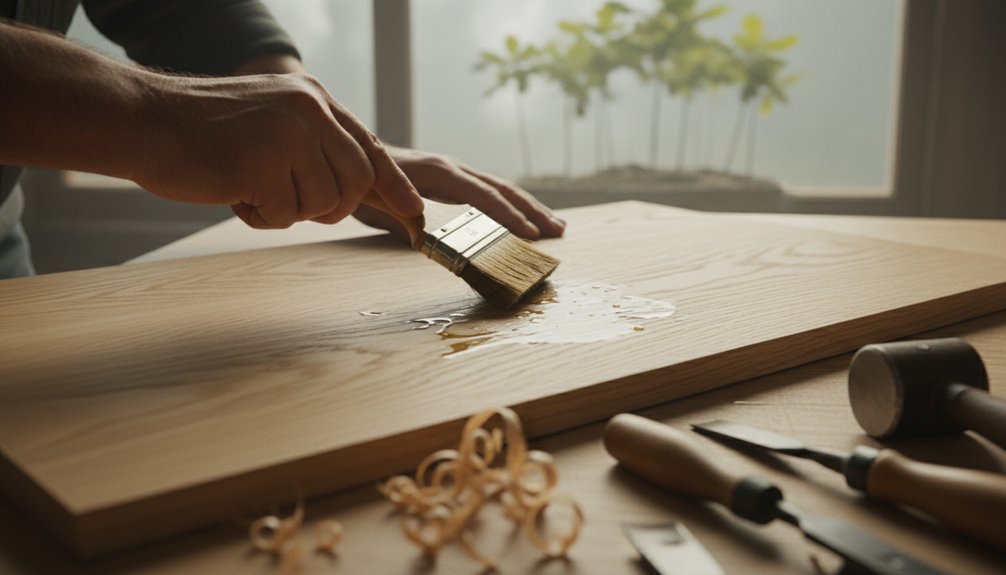
Oak wood furniture provides sustainable benefits through responsible forestry practices. Responsible forestry involves planting multiple saplings for each tree harvested. This practice helps maintain healthy forests for future generations.
The natural durability of oak wood means furniture made from it can last for decades. This longevity reduces the need for replacements and minimizes waste. Furthermore, oak wood stores carbon throughout its lifetime, which contributes positively to the environment.
When it comes to disposal, oak wood biodegrades naturally without releasing harmful chemicals. Processing oak wood requires less energy compared to synthetic materials, further supporting sustainability.
Oak’s inherent resistance to pests and moisture means that manufacturers can avoid heavy chemical treatments. This quality makes oak an eco-friendly choice for furniture that also supports long-term environmental health. By choosing oak wood furniture, consumers invest in timeless pieces that benefit both their homes and the planet.
Oak Trees Grow Abundantly in Managed Forests
Oak trees grow well in managed forests throughout North America and Europe. Forestry professionals actively manage these forests by planting new saplings and harvesting mature trees. This cycle ensures that every tree cut down is replaced, maintaining a steady supply of oak wood.
Managed forestry creates a sustainable cycle where every harvested oak tree is replaced with new saplings for future generations.
Sustainable forestry regulations require that companies plant several saplings for each tree removed, which helps preserve the ecosystem while fulfilling demand for oak furniture.
When you choose to buy oak furniture from certified manufacturers, you support these managed forest practices. Certification programs track harvesting rates to prevent deforestation and protect wildlife habitats.
This system allows oak wood to remain available without exhausting natural resources. You can confidently enjoy your oak furniture, knowing it’s sourced from forests that are sustainably managed and capable of regeneration for future generations.
Natural Durability Reduces Replacement Frequency
Oak wood offers exceptional strength and longevity. When you choose oak furniture, you select durable pieces that can endure for generations with proper maintenance.
The tight grain structure and natural density of oak make it resistant to scratches, dents, and daily wear. This durability means you won’t need to replace your furniture frequently, unlike cheaper alternatives that wear out quickly.
Over time, these savings from avoiding replacements accumulate, benefiting both your budget and the environment. Additionally, oak performs better than softer woods in varying moisture conditions, which helps prevent warping and cracking.
Biodegradable Material Returns to the Earth
When oak furniture reaches the end of its useful life, it decomposes naturally.
Oak wood breaks down and returns its nutrients to the soil. This process doesn’t involve harmful chemicals or synthetic materials.
By being biodegradable, oak furniture completes a natural cycle. It transforms back into earth instead of contributing to long-term waste problems.
This characteristic is essential for reducing environmental pollution and promoting sustainable practices.
Choosing oak furniture means investing in a product that supports a healthier planet.
Natural Decomposition Process Explained
Oak wood naturally decomposes, unlike synthetic materials that can remain in landfills for centuries. When you dispose of oak furniture, microorganisms, fungi, and insects break down the wood and return its nutrients to the soil.
This process has a significantly lower ecological impact compared to plastics, which can fragment into harmful microplastics.
The natural decomposition of oak wood occurs in distinct stages:
- Surface Decay: Fungi colonize the wood’s surface within weeks.
- Structural Breakdown: Bacteria penetrate deeper layers over months.
- Nutrient Release: Carbon, nitrogen, and minerals are released back into the soil.
- Complete Integration: The wood transforms into humus within 3-5 years.
Oak furniture contributes to natural cycles instead of disrupting them.
This biological decomposition process results in rich soil amendments rather than environmental pollutants.
Therefore, choosing oak wood is a genuinely sustainable option that supports ecological health.
Zero Toxic Waste Residue
As oak furniture decomposes, it breaks down into organic matter without releasing harmful chemicals or synthetic compounds. This process protects soil and water systems from contamination. In contrast, furniture made from processed materials releases toxins during decomposition. When oak wood decays, it enriches the soil by returning valuable nutrients instead of contributing to pollution.
| Material Type | Decomposition Byproducts | Environmental Impact |
|---|---|---|
| Natural Oak | Organic compounds, nutrients | Enriches soil ecosystem |
| Treated Wood | Chemical preservatives, toxins | Contaminates groundwater |
| Particle Board | Formaldehyde, synthetic resins | Creates landfill hazards |
| Plastic Furniture | Microplastics, non-biodegradable fragments | Persists for centuries |
When oak furniture reaches the end of its lifecycle, it integrates back into the environment safely. It does not create long-term waste management issues or toxic emissions, making it a sustainable choice. Choosing oak furniture means opting for a product that supports environmental health rather than harming it.
Low Energy Requirements for Processing and Manufacturing
Oak furniture production uses less energy compared to synthetic materials.
Traditional woodworking relies on hand tools and basic machinery, which consume minimal electricity. This method reduces the carbon footprint during manufacturing.
As a result, oak furniture contributes to environmental sustainability. By choosing oak, you support energy-efficient practices in the furniture industry.
Minimal Machinery Power Consumption
When you choose oak furniture, you support a manufacturing process that uses less energy compared to modern alternatives.
Oak’s natural hardness means we can work with it efficiently without extensive processing. Energy-efficient machinery performs most tasks while consuming minimal power.
The machinery used in oak furniture production operates with low energy consumption through:
- Hand tools that require no electricity for detailed joinery work.
- Low-wattage saws that cut through oak’s dense grain effectively.
- Simple sanding equipment that runs at reduced speeds for better control.
- Natural drying methods that eliminate the need for energy-intensive kilns.
These factors lead to furniture that has a smaller carbon footprint.
Traditional woodworking techniques, which we commonly use with oak, further reduce electrical consumption during manufacturing.
Efficient Traditional Crafting Methods
Traditional crafting methods use minimal energy to create high-quality oak furniture. Craftspeople rely on hand tools like chisels, planes, and saws, which don’t require electricity.
These tools allow artisans to shape, join, and finish oak pieces through techniques that have been honed over centuries. Hand-sanding, manual joinery, and traditional finishing techniques depend solely on human skill and basic tools.
This approach significantly lowers the carbon footprint when compared to industrial production methods. Traditional craftsmanship emphasizes sustainability by using methods that have been effective for generations without fossil fuel reliance or grid electricity.
Quality furniture production can occur without high energy consumption, demonstrating the effectiveness of traditional crafting methods.
Carbon Storage Throughout the Furniture’s Lifespan
Oak trees absorb carbon dioxide as they grow. They convert this gas into solid wood, forming their trunks and branches. When you buy oak furniture, you receive a product that retains carbon throughout its lifespan. The carbon stays locked in the wood’s cellular structure, which prevents it from re-entering the atmosphere.
Oak furniture provides effective long-term carbon storage through several key factors:
- The dense wood structure traps carbon molecules for decades or even centuries.
- The durable construction resists deterioration, extending the furniture’s useful life.
- The timeless designs reduce the need for frequent replacements compared to trendy pieces.
- The wood’s recyclability allows it to be repurposed after its initial use.
These factors make oak furniture a responsible choice for the environment.
Minimal Chemical Treatment Needed for Protection
Oak wood naturally resists decay and pest damage. This characteristic means manufacturers often skip heavy chemical treatments. The presence of tannins in oak gives it built-in resistance to insects and moisture.
As a result, oak furniture requires only minimal protective coatings, unlike softer woods that need extensive chemical processing.
When manufacturers do apply finishes, they typically choose sustainable options like natural oils or water-based sealants. These finishes improve the wood’s appearance while preserving its eco-friendly properties.
Using fewer harsh chemicals reduces toxic emissions during production and throughout the furniture’s lifespan in your home. This natural durability makes oak a reliable choice for long-lasting furniture that’s environmentally responsible, thereby lowering the chemical footprint associated with your purchase.
Recyclable and Repurposable at End of Life
When oak furniture reaches the end of its functional life, you can effectively reuse and recycle it. Oak wood offers excellent options for furniture recycling and eco-friendly repurposing compared to composite materials that often end up in landfills.
You can take several practical steps to reuse oak furniture:
- Reclaim the wood for new furniture projects or home renovations. This means removing hardware and refinishing the surface to create new items.
- Convert larger pieces into smaller, useful items. You can turn old tables into shelves or dressers into picture frames and decorative accents.
- Donate functional pieces to charities, schools, or community organizations. This allows others to benefit from the quality and durability of oak furniture.
- Chip damaged wood for garden mulch or biomass energy production. This provides an eco-friendly way to dispose of unusable pieces while contributing to sustainable practices.
These steps significantly reduce waste. Rather than discarding a worn piece of furniture, you can access high-quality raw material for future projects.
Oak’s durability ensures that the wood remains structurally sound even after years of use, making it a valuable resource for various applications.