
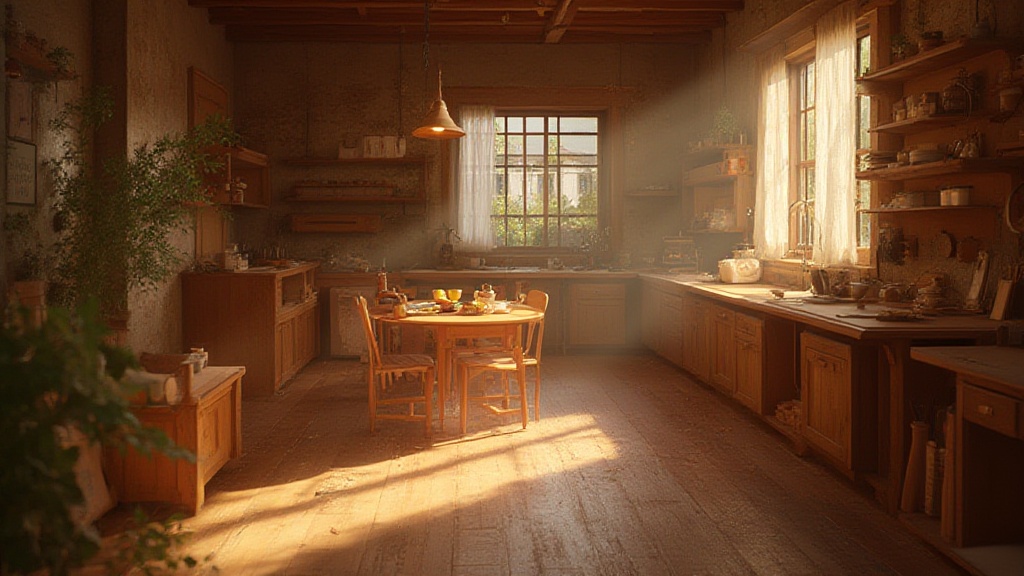
To preserve the beauty of pine wood furniture, employing simple yet effective methods is essential. Regular care guarantees that the rustic charm of your pieces continues to shine.
Start by dusting surfaces frequently with a soft cloth to avoid scratches and prevent build-up.
Applying a protective coat periodically can help against moisture and enhance durability.
For thorough cleaning, consider eco-friendly products that respect the natural finishes. These straightforward maintenance tips will aid in retaining the beauty and longevity of your cherished pine wood items, allowing them to age gracefully.
Click here to learn more about: oak furniture
Understanding Pine Wood Care
A commitment to pine wood care plays a significant role in maintaining your furniture’s natural elegance.
Regular upkeep is key to ensuring longevity, allowing your pieces to resist wear and tear over time. Effective dUSTing with a soft cloth not only helps avoid surface scratches but also preserves their sheen.
Familiarizing yourself with general wood care principles, such as avoiding harsh chemicals, will protect the wood’s character.
By dedicating time to these essential practices, you can secure a beautiful and lasting aesthetic for your pine furniture.
Aging Techniques for Pine Wood
Utilizing aged weathered finishes can evoke a time-worn charm that enhances the texture of your furniture.
These techniques, such as distressing and color washing, mimic the natural aging process and add depth to the design. Suitable for both DIY enthusiasts and professionals, these methods contribute to a rustic decor style.
Applying weathered paint effects not only enhances the wood’s character but also creates a sense of history.
Maintenance Best Practices
Incorporating routine care into your maintenance schedule is vital. Regularly cleaning surfaces with a gentle cloth is essential to prevent scratches and maintain the finish.
Enhancing the furniture’s surface with a protective barrier will ensure moisture resistance and reduce wear.
Consider using eco-friendly products that align with sustainable practices for cleaning and treatment.
This approach not only preserves the beauty of your pine furniture but also contributes to a healthier environment.
By prioritizing maintenance and understanding care techniques, you can extend the lifecycle of your pine wood furniture and enjoy its patina for years to come.
Effective Cleaning Techniques For Pine
Maintaining the beauty of pine wood necessitates specialized attention. Choosing pH-neutral cleaners protects the finish on your pine furniture effectively.
Harsh chemicals can lead to damage that progressively degrades the wood’s surface.
Before applying any cleaner, it is wise to test the product in an inconspicuous area to ensure compatibility and avoid unwanted reactions.
The recommended cleaning process involves:.
- Step 1: Dust surfaces with a soft cloth to eliminate particles.
- Step 2: Apply the cleaner gently using a soft, damp cloth, avoiding saturation.
- Step 3: Dry immediately with a clean cloth to prevent water spots.
By employing these techniques, you can enhance the longevity of your pine furniture while preserving its character.
Essential Preservation Methods For Furniture
Utilizing effective preservation methods is essential for the longevity of pine wood furniture. Controlling humidity plays a significant role in preventing warping and cracking that often occurs in damp conditions. Implementing a dehumidifier in high-humidity areas can effectively maintain optimal levels, generally ranging around 30-50%. Regular maintenance is crucial for sustaining the integrity of your furniture.
Humidity Control
Humidity control is integral in wood preservation techniques. By managing moisture resistance, you can avoid the adverse effects that high humidity may cause. A humidity level of 30-50% is ideal for pine.
Protection Tips
- Tip 1: Keep furniture away from direct sunlight to prevent fading and preserve texture.
- Tip 2: Periodically apply a wood conditioner to nourish and protect the wood, enhancing its natural finish.
Implementing these preservation strategies ensures that your pine furniture retains its rustic charm while enhancing durability over time.
Pine Wood Care
- Pine wood is sensitive to moisture, making humidity control vital for its preservation.
- Using pH-neutral cleaners prevents damage to the wood’s finish and maintains its appearance.
- Regular application of wood conditioner can extend the life of pine furniture by nourishing the wood.
- Keeping furniture out of direct sunlight helps prevent fading and maintains its natural texture.
How To Polish Pine Surfaces
To achieve lasting beauty in your pine furniture, routine care becomes paramount. Regular polishing not only enhances the natural luster of the wood but also provides essential protection against scratches and minor damage.
Beeswax polish, being a natural option, surpasses synthetic alternatives thanks to its nourishing properties.
The eco-friendly nature of beeswax ensures safety not only for your furniture but also for the environment.
For optimal upkeep, polish your pine surfaces every 3 to 6 months, adjusting this frequency based on usage and exposure to wear conditions.
Waxing For Enhanced Durability
Implementing a waxing routine can significantly strengthen your pine surfaces against moisture, enhancing their durability. Waxing effectively creates a protective barrier that prevents humidity from penetrating the wood, thus safeguarding it from potential damage.
Applying the wax in thin, even layers is a key tip for optimal results. This technique not only ensures a smooth finish but also reinforces the wood’s integrity while enhancing its natural beauty.
Polishing Pine Surfaces
- Regular polishing can extend the lifespan of pine furniture by protecting it from wear and tear.
- Beeswax polish not only enhances the wood’s appearance but also nourishes it, preventing drying and cracking.
- Waxing creates a moisture-resistant barrier, reducing the risk of damage from humidity.
- Applying wax in thin layers helps achieve a more even finish and maintains the wood’s structural integrity.
Conditioning Pine Wood For Longevity
Effective care routines for pine wood furniture not only enhance its beauty but also extend its lifespan. Conditioning plays a significant role in preserving the wood’s integrity and visual appeal.
Incorporating high-quality oil conditioners such as Tung Oil is essential for maintaining moisture balance, which prevents cracks and warping.
This wood treatment improves the durability of pine against changing environmental factors.
Regularly scheduled conditioning routines bolster upkeep efforts and enhance the natural charm of the wood. To maximize the benefits of oil conditioners, adhere to the following steps:
- Clean the surface thoroughly before application.
- Use a soft cloth for uniform application of the oil.
- Allow sufficient drying time to achieve optimal results.
Sealing Pine Furniture: What You Need To Know
Choosing the right sealant is essential for enhancing the longevity of pine furniture. A well-executed sealing method provides a protective barrier against moisture while enhancing aesthetic appeal. Sealing options like polyurethane or other natural finishes effectively complement the wood’s inherent oils, ensuring a smooth finish. Knowledge of proper application techniques helps avoid issues such as drips or bubbles, which can mar the final look. To achieve a polished finish, consider the following steps:
“Proper techniques in sealing pine furniture can lead to a stunning and durable finish. ”
Application Techniques
- Apply thin coats of sealant for even coverage.
- Start with a minimal amount of product to prevent drips.
- Sand between coats to ensure a smooth surface finish.
By utilizing these techniques, you can enhance the protective qualities of your furniture while preserving its natural character. Incorporating these maintenance tips as part of your restoration techniques will yield a beautiful result that showcases the rustic charm of pine.
Conditioning and Sealing Pine Wood
- Regular conditioning can increase the lifespan of pine furniture by protecting it from environmental damage.
- Using high-quality oil conditioners like Tung Oil helps maintain moisture balance, reducing the risk of cracks and warping.
- Proper sealing techniques can enhance the furniture’s resistance to moisture, preventing deterioration.
- Applying thin coats of sealant ensures a smooth finish and minimizes the risk of imperfections such as drips or bubbles.
Tips For Repairing Scratches On Pine
Repairing scratches on pine not only enhances your furniture’s longevity but also elevates its overall appearance. Assessing the scratch is essential; minor scratches often require only simple touch-ups.
For these, wood markers can effectively cover small imperfections with precision.
Wood treatment options such as wood filler suitable for pine should be considered for deeper scratches, followed by sanding to achieve a smooth finish.
Effective Methods for Filling Scratches
When dealing with scratches, various restoration techniques are available. A wax stick proves ideal for filling in shallow scratches—simply rub it into the scratch and buff it for a seamless result.
For a protective barrier, applying a coat of polish or wax offers moisture resistance while restoring the wood’s natural sheen. This approach not only improves the surface’s durability but also enhances the rustic charm of the pine.
DIY Touch-Up Techniques
Using eco-friendly products can make your touch-up process sustainable.
For minor scratches, a wood marker is a quick solution, providing character enhancement without much hassle.
Consider integrating these simple yet effective maintenance tips into your routine to ensure the upkeep of your pine furniture.
Repairing Scratches on Pine
- Using wood markers can effectively conceal minor scratches, providing a quick and easy solution.
- Wood fillers specifically designed for pine can fill deeper scratches, ensuring a smooth finish after sanding.
- Applying a coat of polish or wax not only protects the wood but also enhances its natural luster and durability.
- Eco-friendly products contribute to sustainable maintenance practices while preserving the character of your furniture.