
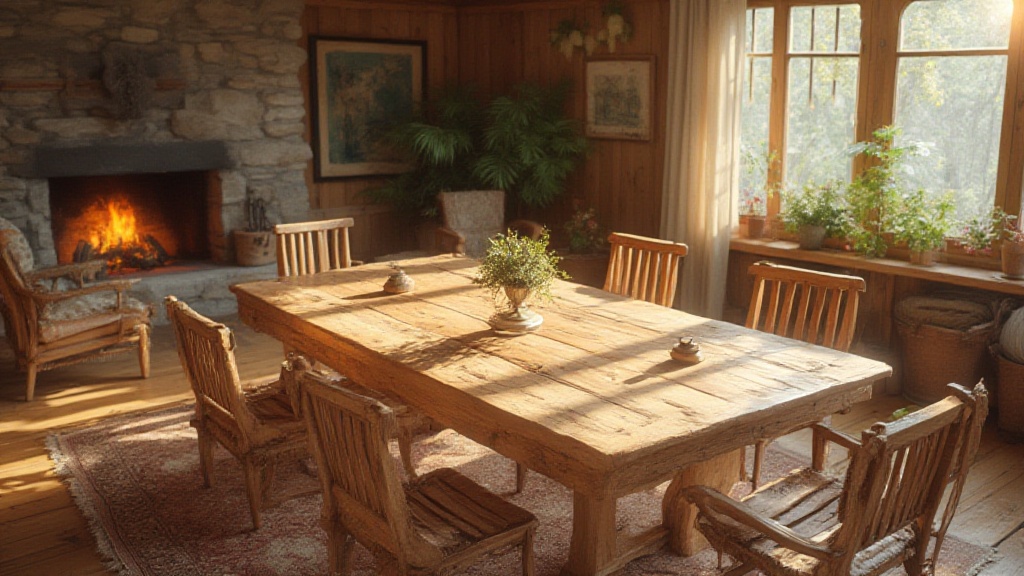
Pine furniture remains a favored choice for homeowners seeking affordability coupled with charm. This popular softwood brings a unique blend of advantages and drawbacks that potential buyers should consider.
With its natural finish and inviting grain patterns, pine furniture effortlessly enhances a range of styles, from rustic charm to modern design.
Its susceptibility to scratches and dents can impact longevity, making it vital to weigh these factors carefully.
Whether you’re interested in easy maintenance or looking for specific staining options, this guide will illuminate the essential aspects of pine furniture.
Click here to learn more about: oak furniture
Durability of Pine Furniture Explained
Evaluating the durability of pine furniture reveals its distinct attributes compared to other wood types. While hardwoods like oak boast superior longevity, pine’s lightweight nature offers great versatility across various furniture styles.
Common uses for pine include tables, chairs, and cabinets, which benefit from its natural aesthetic and craftsmanship. To boost durability, applying protective finishes such as varnish or wax is recommended.
These treatments improve resistance to wear and tear while adding moisture resistance.
Ensure proper application in a ventilated area to maintain furniture quality and celebrate its rustic charm.
Choosing the Right Finish
When selecting finishes for pine, consider the desired visual appeal and overall style.
Aged weathered finishes evoke a sense of time-worn charm, perfect for rustic decor and vintage aesthetics. Techniques like distressing and layering can create depth, enhancing the natural characteristics of the wood.
Opt for eco-friendly products to align with sustainable practices, ensuring that your choice not only beautifies your home but also respects the environment.
Is Pine Furniture Affordable
Pine furniture offers an excellent balance between durability and cost, making it a wise choice for budget-conscious buyers. Affordability sets pine apart from more expensive hardwoods, with prices typically ranging from $100 to $600 per piece.
In contrast, hardwoods such as oak often retail between $500 and $2,.
The cost-effectiveness of pine ensures that consumers can enjoy quality furniture without straining their finances.
Exploring options from local artisans can lead to unique pine products with customizable designs, offering negotiation opportunities that can enhance value. By selecting pine, homeowners can achieve both aesthetic appeal and a practical approach to their furniture choices.
Lightweight Characteristics Of Pine Wood
Furniture crafted from pine is particularly noted for its lightweight properties, contributing to ease of movement within living spaces.
This versatility allows homeowners to rearrange their furniture effortlessly, catering to changing preferences or seasonal decor updates. With its reduced weight, pine furniture can be repositioned without the strain that heavier materials impose, making it suitable for various styles, including trendy designs and minimalist style.
Choosing the Right Pieces
When selecting furniture, aim for items that maximize mobility and structural integrity.
Consider options such as:.
- Benches for versatile seating arrangements
- Chairs that can be easily moved for gatherings
- Modular shelves that adapt to different layouts
This lightweight characteristic not only simplifies rearranging but also enhances design flexibility, making pine an ideal choice for those who enjoy a dynamic home environment. The ease of assembly and transport contributes to the overall functionality of pine furniture.
Additional Benefits
Pine furniture not only offers affordability and versatility. Its natural finish and visual appeal add a unique charm that complements various decor styles, from rustic farmhouse to contemporary aesthetics.
Incorporating aged weathered finishes to pine furniture can further enhance its aesthetics. This technique creates a sense of history while maintaining the environmental sustainability of the product. Techniques like distressing and layering give surfaces a time-worn charm, perfect for achieving that vintage aesthetic.
Pine Furniture
- Pine furniture typically ranges from $100 to $600, making it more affordable than hardwoods like oak, which can cost between $500 and $2,
- The lightweight nature of pine furniture allows for easy rearrangement, accommodating changing preferences and seasonal decor updates.
- Pine’s natural finish and visual appeal complement various decor styles, enhancing both rustic and contemporary aesthetics.
- Techniques such as distressing and layering can create a vintage aesthetic, adding charm while maintaining environmental sustainability.
Pine Grain Patterns: Aesthetic Considerations in Furniture Design
The unique characteristics of pine grain patterns contribute significantly to the overall aesthetics of furniture design. These grain patterns range from straight lines to soft waves, profoundly influencing visual appeal.
Recognizing these patterns can inform styling choices, allowing various looks from rustic charm to modern design.
Pine displays color variations that can be beautifully showcased through appropriate finishing techniques.
To highlight these natural features, consider these finishing tips:
- Apply clear finishes like polyurethane or oil-based varnishes for a protective coat.
- Use tinted stains to accentuate the intricate grain, ensuring your pine furniture stands out beautifully in any decor.
How To Maintain Pine Furniture
Ensuring the durability of pine furniture requires consistent care and attention. To preserve its integrity, select cleaning products that are safe for wood, such as a mild soap solution or specialized wood cleaners designed for pine. It’s essential to avoid abrasives that could harm the finish. A simple routine could include:
Regular Maintenance Routine
Weekly: Dust surfaces with a soft cloth to keep them free from dust.
Every Few Weeks: Wipe surfaces using a damp cloth to maintain cleanliness.
Every Six Months: Apply a coat of furniture oil or polish to rejuvenate the finish and to protect against wear and tear.
Implementing this routine not only enhances the longevity of your cherished pieces but also improves their visual appeal, making them family-friendly and safe for children. Incorporating eco-friendly cleaning products can minimize environmental impact while preserving the furniture’s beauty.
Pine Furniture Care
- Pine wood is known for its lightweight and durability, making it a popular choice for furniture.
- Regular maintenance can extend the lifespan of pine furniture by preventing damage from dust and moisture.
- Using eco-friendly cleaning products not only protects the furniture but also contributes to a healthier home environment.
- Pine’s natural grain patterns can enhance the aesthetic appeal of a space, making it a versatile option for various design styles.
What Are Pine Furniture’s Aesthetics
Pine furniture showcases natural beauty that captivates with its rustic and contemporary design elements. The diverse color variations and grain patterns contribute significantly to the overall decor style.
Light-colored pine often enhances modern aesthetics by creating a bright and airy atmosphere, while darker, aged options evoke warmth synonymous with rustic charm.
The incorporation of pine furniture in farmhouse decor is particularly popular, where its authenticity complements a cozy, lived-in feel.
Complementary Color Schemes
Utilizing pine furniture allows for dynamic color combinations.
Pairing light pine with soft grays and blues creates a fresh look, while dark pine harmonizes beautifully with rich jewel tones. This versatility makes pine an ideal choice for various furniture styles ranging from traditional to minimalist.
“Pine’s unique grain can transform any space into a warm sanctuary. ”
The Environmental Impact Of Pine Furniture
The sustainable sourcing of pine furniture presents environmental benefits that are increasingly valuable.
Managed forests ensure that this softwood is harvested responsibly, aligning perfectly with the eco-conscious consumer’s desires. Certifications such as FSC (Forest Stewardship Council) provide assurance of these sustainable practices and the quality of the material.
Carbon Sequestration and Sustainable Practices
Pine plantations significantly contribute to carbon sequestration, playing a crucial role in combating climate change.
Opting for eco-friendly pine supports the health of forest ecosystems while promoting sustainability.
When purchasing, look for labels indicating responsible sourcing or terms like reclaimed to ensure ethical choices.
By selecting sustainable options, you underscore both your home’s aesthetic and the environment’s well-being.
“Choosing sustainable pine furniture is a step towards a greener future. ”
Pine Furniture
- Pine’s natural grain patterns and color variations make it versatile for both rustic and contemporary decor styles.
- Light-colored pine enhances modern aesthetics, while darker options add warmth and charm to spaces.
- Sustainable sourcing of pine furniture contributes to environmental health by promoting responsible forestry practices.
- Pine plantations aid in carbon sequestration, helping to mitigate climate change effects.
Pros And Cons Of Pine Staining Options
Pine offers a unique versatility when it comes to customizing the appearance of furniture. Staining significantly enhances the visual appeal of pine, allowing homeowners to showcase stunning grain patterns.
Understanding the benefits and drawbacks associated with various staining options is essential.
While achieving a rich, natural finish can add character, uneven absorption is a common challenge due to pine’s softwood texture.
Testing stains on a small piece before committing can help in ensuring the desired outcome. This practice safeguards against unexpected results while tailoring your furniture to your preferred aesthetics.
Tip: Always experiment with different stains to find the perfect match for your style.
Benefits of Staining Pine
- Affordability: Pine is a cost-effective choice for furniture, making it accessible for various budgets.
- Natural Finish: It can be stained to highlight the wood’s natural beauty, providing a timeless rustic charm.
- Customization: Staining options allow you to achieve various aesthetics, from modern design to farmhouse decor.
- Durability: When properly stained, pine exhibits enhanced resistance to wear and tear, increasing its longevity.
- Easy Maintenance: Stained pine requires less upkeep compared to untreated wood.
Drawbacks of Staining Pine
- Color Variations: Staining can lead to uneven color absorption, especially in knots and grain patterns.
- Moisture Resistance: Pine is susceptible to moisture damage; ensuring proper sealing is necessary.
- Scratch Resistance: While staining provides a protective layer, pine may still be prone to scratches if not treated correctly.
- Environmental Impact: Be mindful of the finishes you choose, opting for eco-friendly products where possible.
Expert Advice: Use aged weathered finishes for a unique look that embodies character and authenticity.
Aged weathered finishes evoke a sense of time-worn charm, often seen in rustic decor and vintage aesthetics. Techniques such as distressing and layering achieve a rustic, worn appearance, lending authenticity to furniture, walls, and other materials. Consider applying these techniques in DIY projects or professional craftsmanship to enhance your furniture’s character.
Each technique can vary significantly based on the desired level of aging and finish. It’s essential to practice different methods on sample pieces to refine your skills. Tools commonly required include brushes, sanding tools, and staining cloths. Always prioritize safety when working with finishes, and look for tutorials that guide you through various effects.
Pine Staining
- Pine wood is widely used in furniture making due to its affordability and availability.
- Staining enhances the natural grain and color of pine, making it visually appealing.
- Properly stained pine can resist wear and extend the life of the furniture.
- Eco-friendly stains are available, reducing the environmental impact of finishing products.