
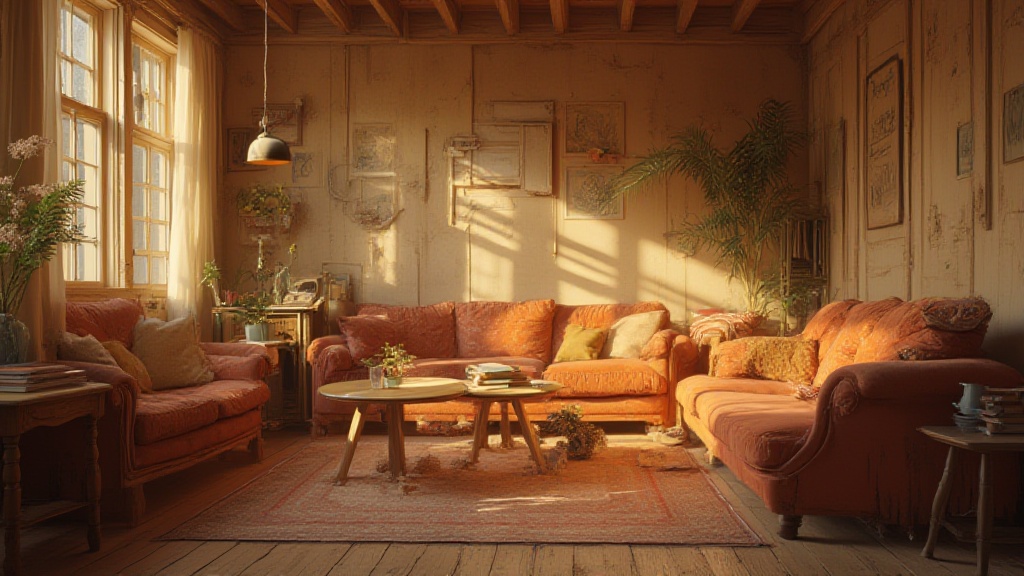
While pine furniture is known for its affordability and rustic charm, several drawbacks may affect your purchasing decision. Durability concerns arise from its classification as a softwood, which makes it susceptible to wear and tear over time.
Buyers should also be aware of scratching issues that can detract from its appearance.
Regular maintenance is vital; neglecting these needs can worsen moisture absorption and lead to warping in the furniture.
Recognizing these disadvantages enables consumers to make informed choices regarding their furniture investments.
Click here to learn more about: oak furniture
Softwood Limitations In Pine Furniture
The limitations of pine as a softwood become evident when comparing it to hardwood alternatives like oak or maple. Durability concerns make themselves apparent, particularly in environments that experience high traffic.
Pine’s dent susceptibility and scratching issues can significantly affect the longevity of the furniture. Due to its tendency for moisture absorption, careful placement along with a high-quality finish is essential to enhance durability.
For those who appreciate rustic aesthetics, opting for aged weathered finishes provides not only character but also strengthens the piece against future wear and tear.
Mitigating Pine’s Limitations
To effectively manage the softwood limitations of pine furniture, consider specific techniques during selection and maintenance.
Aged weathered finishes can evoke a timeless charm that enhances the wood’s natural character.
Such finishes mimic the aging process, providing depth in design while fortifying the wood.
Techniques like distressing, layering, and color washing are popular in vintage restoration and can help achieve a rustic feel.
Specific Scenarios for Consideration
In environments where furniture will be subjected to heavy use, durability concerns become paramount. Pine furniture may not withstand the rigors of busy households as well as hardwood options.
Refinishing challenges can also arise; owners might find that glue adhesion and finish compatibility vary depending on the type of aged weathered finish applied. Choosing the right materials and applying careful treatment can mitigate many of these issues.
Conclusion
By acknowledging the various limitations associated with pine furniture, potential buyers can take steps to select pieces that meet their needs while balancing aesthetic appeal and functionality.
As sustainability becomes increasingly important, selecting eco-friendly finishing options can further enhance the overall value of your investment.
What Are The Durability Concerns
Considering pine furniture requires a deep dive into its durability concerns for lasting enjoyment. Pine, categorized as a softwood, tends to lack the robust characteristics associated with hardwoods, rendering it more susceptible to scratching issues and dents.
Various environmental factors, including humidity and temperature fluctuations, can heighten these challenges, resulting in warping and color fading over time.
To enhance the lifespan of your pine pieces, regular maintenance is essential.
Utilizing natural oils and shielding your furniture from direct sunlight can dramatically reduce environmental damage, ensuring its beauty and functionality endure for many years to come.
Understanding Dent Susceptibility In Pine
Softwood furniture, such as pine, frequently raises concerns about dent susceptibility, inherently linked to its softer structure. Everyday usage can significantly influence the appearance of dents; for instance, placing heavy items or accommodating pets can lead to unsightly markings.
To minimize the risk of dent susceptibility, employing furniture pads or coasters is advisable, as they shield the surface and distribute weight effectively.
Applying a protective finish can also boost resilience, maintaining the aesthetic appeal of your pieces.
By following these protective measures, you will help preserve the integrity and appearance of your pine furniture over time.
Pine Furniture Durability
- Pine is classified as a softwood, making it more prone to scratches and dents compared to hardwoods.
- Environmental factors like humidity and temperature changes can cause warping and color fading in pine furniture.
- Regular maintenance with natural oils can significantly extend the lifespan of pine pieces.
- Using furniture pads or coasters helps prevent dents by distributing weight and protecting surfaces.
How Does Moisture Absorption Affect Pine
Pine, a commonly used softwood, demonstrates particular sensitivity to moisture fluctuations that can threaten its structural integrity. When moisture levels increase, pine absorbs water, leading to physical changes such as expansion and warping.
Moisture absorption directly impacts durability concerns, as excessive moisture can weaken joints and connections.
To maintain optimal moisture levels, humidity should ideally remain between 40-60%.
Regularly monitoring moisture with a hygrometer is essential, and the use of dehumidifiers in humid climates can be beneficial. Applying protective finishes creates a barrier against moisture absorption, enhancing the longevity of your pine furniture.
Practical Tips for Moisture Control
Keeping pine furniture in a climate-controlled environment is essential for preventing moisture-related issues.
Utilizing natural oils can also help maintain a protective layer, while seasonal adjustments to storage and placement can further reduce risks associated with moisture exposure. Proper maintenance and care play significant roles in preventing adverse effects on the wood’s texture and stability.
The Impact Of Warping On Pine Furniture
Warping presents considerable challenges for pine furniture, often stemming from uneven moisture distribution.
Environmental conditions, such as high humidity and temperature fluctuations, exacerbate these warping issues, resulting in distortion of the wood’s shape.
To address warping effectively, proactive strategies are necessary.
Avoiding direct sunlight and damp storage areas can significantly mitigate potential damage. Utilizing stabilizing techniques during construction helps ensure greater structural integrity.
Seasonal inspections and rotating furniture are effective measures to ensure even exposure to conditions, preventing deformation.
Maintenance Strategies to Prevent Warping
Implementing moisture barriers in areas prone to excess humidity is vital in protecting furniture from warping’s long-term effects.
Proper design versatility that considers environmental impacts can enhance the durability and aesthetic appeal of pine pieces. Regular care and attention to the furniture’s environment contribute substantially to maintaining its structural integrity and overall appearance.
Moisture and Pine
- Pine can absorb up to 20% of its weight in moisture, leading to significant structural changes.
- Maintaining humidity levels between 40-60% can prolong the life of pine furniture.
- Direct exposure to sunlight can increase the risk of warping by causing uneven drying.
- Utilizing dehumidifiers in high-humidity areas can reduce moisture-related damage significantly.
Exploring The Knotty Appearance Of Pine
Pine’s unique knotty features evoke a rustic charm that captivates many. This aesthetic originates from branch formations, creating distinctive grain patterns that vary notably from piece to piece.
These noticeable knots not only enhance the wood’s character but also influence furniture design choices.
Designers often embrace these knots, leveraging them to foster warmth and authenticity in spaces.
To enhance visual appeal, consider integrating statement pieces like dining tables or pairing knotty pine with other materials for a balanced aesthetic. With its versatility, knotty pine serves as an artistic expression within both modern and traditional decor.
Furthermore, the knotty appearance lends itself to various design trends, showcasing the wood’s natural imperfections as a unique feature that enhances the overall aesthetic appeal.
Maintenance Requirements For Pine Furniture
Proper care for pine furniture is essential to preserving its beauty and integrity.
Regular cleaning with soft cloths and non-abrasive cleaners prevents buildup and maintains appearance. Protecting surfaces with coatings directly addresses common durability concerns related to scratches and moisture absorption.
A seasonal maintenance checklist ensures comprehensive care: clean and reapply finishes in spring, check for sun damage in summer, maintain humidity in fall, and cover to prevent moisture in winter.
Specific products, such as furniture oils or polyurethane finishes, can significantly enhance pine’s longevity and aesthetic appeal.
This careful approach ensures that it remains a cherished part of your home, providing you with a rustic charm and character that expresses your personal style.
Following these methods can also help combat color fading and scratching issues, ultimately extending the product lifespan.
Knotty Pine
- Knotty pine features unique grain patterns that add character and warmth to furniture.
- Regular maintenance, including cleaning and applying protective finishes, can significantly extend the life of pine furniture.
- Incorporating knotty pine into design can enhance the rustic charm of both modern and traditional spaces.
- Natural imperfections in knotty pine are embraced in various design trends, showcasing the wood’s authenticity.
Why Does Pine Have A Lower Resale Value
The economic factors surrounding pine furniture significantly contribute to its lower resale value. As a softwood, pine is often perceived as less durable and less aesthetically pleasing compared to hardwood alternatives.
Factors such as production costs and shifting market trends that favor more resilient materials continue to diminish pine’s perceived allure.
Consequently, buyers tend to prioritize longevity and visual appeal over cost-effectiveness, which directly influences the resale potential.
Durability Concerns
Durability concerns play a pivotal role in affecting pine’s market standing.
Issues such as dent susceptibility and scratching issues can detract from its appeal. Furthermore, moisture absorption may lead to warping and shrinkage, risking the structural integrity over time.
These limitations can make prospective buyers hesitant, thereby impacting the furniture weight capacity and overall longevity.
Perceived Value and Market Trends
Perceived value significantly drives the market dynamics of furniture materials. As trends evolve towards high-quality, sustainable products, pine’s aesthetic limitations can contribute to its lower resale value.
Buyers often seek items that reflect their personal style and provide a sense of elegance.
Thus, the design versatility of pine may be overshadowed by these consumer preferences.
Strategies for Increasing Market Appeal
To enhance the market appeal of pine furniture, implementing aged weathered finishes offers a compelling solution.
Techniques like distressing and color washing create a rustic look that resonates well with contemporary decor trends. Marketing strategies that highlight the eco-friendliness of pine can add value while educating consumers about maintenance can ease concerns surrounding issues like staining challenges.
- Promote designs that showcase aged finishes to attract discerning buyers.
- Educate consumers on proper care to alleviate maintenance requirements and enhance longevity.
| Factor | Impact on Pine Resale Value |
|---|---|
| Durability | Perceived as less durable due to dent susceptibility and scratching issues |
| Market Trends | Shift towards high-quality, sustainable materials reduces pine’s appeal |
| Aesthetic Limitations | Less visually appealing compared to hardwood alternatives |
| Marketing Strategies | Aged finishes and eco-friendliness can enhance market appeal |