
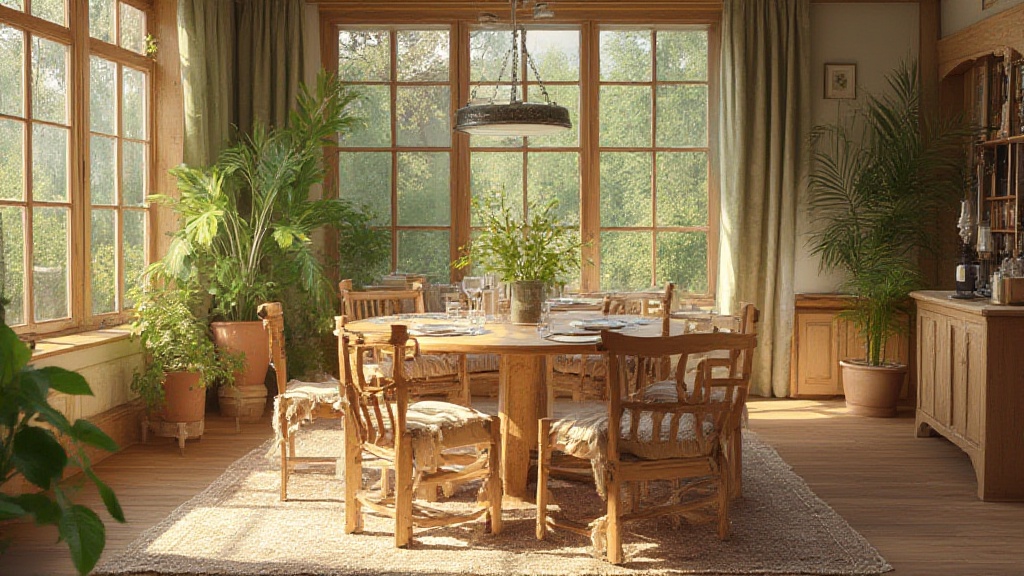
The selection of furniture plays a significant role in shaping your living spaces. Oak is often lauded for its exceptional durability and intricate grain patterns, making it a staple in traditional furniture design.
Pine, on the other hand, presents a cost-effective choice with its lightweight and rustic charm.
Your personal consumer preferences greatly impact the decision, as oak typically adds a classic touch to interiors, while pine fosters a warm and inviting atmosphere.
Each wood species offers distinct qualities that cater to various aesthetics and practical needs in home decor.
Click here to learn more about: oak furniture
Exploring Hardwood Versus Softwood Characteristics
Examining the differences between hardwoods and softwoods can provide valuable insights into your furniture selection. Hardwoods, such as oak, originate from deciduous trees, enhancing their longevity and resilience—ideal for furniture intended to endure daily use.
Softwoods, such as pine, derive from coniferous trees, resulting in a lighter weight that often reflects in a lower price point. The implications of these distinctions on maintenance are noteworthy:
- Hardwoods: Require occasional oiling to maintain their luster.
- Softwoods: Demand more frequent upkeep due to susceptibility to scratching.
With both wood types, consider how their unique attributes can enhance your furniture design and suit your individual lifestyle or home decor needs.
Aged Weathered Finishes
Aged weathered finishes evoke a sense of time-worn charm, adding character to furniture pieces. This technique enhances wood surfaces to imitate natural aging, bringing authenticity to your design elements. Commonly used in vintage restoration and rustic decor, the following techniques define this aesthetic:
- Distressing: Creates an intentionally worn look.
- Layering: Combines different tones for depth.
- Color washing: Adds a translucent layer of color that reveals the underlying texture.
These methods contribute to a unique visual appeal, suitable for both DIY projects and professional craftsmanship. When applying aged finishes, consider eco-friendly options for sustainability and explore various techniques on sample pieces to refine your style.
Choosing between oak and pine ultimately hinges on your priorities. By weighing the benefits of each wood type alongside your design vision, you can create living spaces that reflect both comfort and functionality.
How To Choose Furniture Selection
Selecting the right furniture selection transforms a living space into a personalized sanctuary. Assessing your lifestyle needs and aesthetic preferences is essential for making informed choices.
Consider daily activities, as families with children or pets require a focus on durability.
Choose sturdy materials that withstand wear and tear while complementing your style.
Matching furniture styles with room aesthetics enhances overall cohesion, whether you prefer modern minimalism or rustic warmth.
Prioritizing functionality over form is especially important in high-traffic areas. Ensure comfort and utility blend seamlessly with visual appeal for a well-designed environment.
This approach to furniture selection lays the groundwork for evaluating materials and leads us to a comparative analysis of wood types.
Comparing Durability Of Oak And Pine
Durability plays a significant role in determining the suitability of wood for your furniture. Oak, recognized as a hardwood, stands out for its strength and resilience, making it an ideal choice for long-lasting furniture.
This material excels in high-traffic areas, while pine, classified as a softwood, possesses a charming aesthetic but may wear more quickly under pressure.
Ideal Environments for Oak
For oak, suitable environments include dining tables and heavy-use furniture, where longevity is paramount.
The natural beauty of oak, paired with its durability, makes it a favored option among many consumers.
Regular care ensures oak maintains its aesthetic appeal and functionality over time.
Maintaining Pine Furniture
Conversely, pine suits more casual settings but requires careful attention to maintenance, particularly to prevent scratching and wear. With proper touch-ups, pine can sustain its visual charm, contributing a rustic vibe to your living spaces.
Understanding the maintenance requirements of each type fosters better decision-making in furniture selection.
Aged Weathered Finishes
Incorporating aged weathered finishes can enhance the character and authenticity of both oak and pine furniture. These techniques can evoke a sense of history and depth in design, often seen in rustic decor and vintage aesthetics.
Processes such as distressing, layering, and color washing achieve a timeless appeal, suitable for both DIY projects and professional craftsmanship.
Applying aged finishes involves creativity and experimentation.
Tools such as brushes, sandpaper, and rags facilitate the crafting of unique pieces that reflect personal style.
Safety measures should be prioritized when working with chemical finishes, ensuring a safe and enjoyable experience.
Furniture Selection
- Durability is a crucial factor in furniture selection, especially for families with children or pets.
- Oak is a hardwood known for its strength, making it ideal for high-traffic areas and long-lasting furniture.
- Pine, while aesthetically pleasing, requires more maintenance to prevent wear and tear.
- Aged weathered finishes can enhance the character of both oak and pine, adding depth to rustic and vintage designs.
Exploring Grain Patterns In Both Woods
Grain patterns significantly impact the visual appeal of oak and pine furniture. These unique characteristics enable homeowners to select pieces that resonate with their aesthetic preferences. Oak typically presents prominent, bold grain patterns, which contribute to a robust presence, while pine offers a more subtle, fine texture, evoking a soft, rustic charm.
Personal style plays a pivotal role in furniture selection. Whether gravitating toward rustic, modern, or traditional designs, aligning wood choices with your decor enhances the overall theme of living spaces.
Matching grain patterns with other materials elevates the visual impact.
Enhancing Visual Appeal
- Contrast with Metal: Pair oak’s strong grain with sleek metal to create striking modern spaces.
- Complement with Fabrics: Use soft textiles, such as cotton or linen, that harmonize with the grain patterns.
Current trends in grain patterns also greatly influence aesthetics. Aged weathered finishes, for example, contribute a rustic charm that resonates with contemporary farmhouse styles. Techniques to achieve these finishes can include distressing and color washing, enhancing the texture and character of furniture.
Cost Comparison: Oak Vs Pine Furniture
Price differences between oak and pine furniture arise from several factors. Oak, classified as hardwood, typically commands a higher price due to its durability and strength, making it a wise long-term investment. Conversely, pine, as a softwood, provides a budget-friendly alternative, appealing to those who prioritize upfront costs.
Factors Influencing Pricing
Availability and sourcing play significant roles in determining price. Although pine appears cheaper initially, oak often proves to be a better long-term investment because of its longevity and resilience. To balance quality with affordability, consider budget-friendly options.
- Look for Reclaimed Wood: Items made from reclaimed pine can offer cost savings without compromising quality.
- Shop Local: Seek artisans providing competitive pricing on high-quality oak pieces.
Investment Value
Investing in oak furniture can yield substantial returns in terms of durability and timeless appeal. Nevertheless, pine remains a practical choice for budget-conscious buyers, particularly in casual or temporary settings. Considerations around craftsmanship and environmental impact further shape consumer preferences, influencing decisions in furniture design.
| Wood Type | Grain Pattern | Price Range | Durability |
|---|---|---|---|
| Oak | Bold and prominent | Higher price due to hardwood classification | Highly durable and long-lasting |
| Pine | Subtle and fine | Budget-friendly option | Less durable than oak |
Maintenance Tips For Oak And Pine
Proper care maximizes the lifespan of your oak and pine furniture. Oak requires a gentle cleaning approach; use a soft, damp cloth regularly while steering clear of harsh chemicals that may harm its finish.
Instead, a mild soap solution is ideal for maintaining its appearance.
Pine benefits significantly from regular dusting with a microfiber cloth, which helps prevent scratching.
For a deeper clean, consider a vinegar-water mixture that effectively lifts dirt without damaging the surface.
To enhance durability, oak should receive a quality furniture polish that restores shine. In contrast, applying a penetrating oil finish to pine enhances its natural beauty and resilience.
Seasonal care is essential; using a humidifier during winter months helps to prevent moisture loss and cracking.
Maintaining awareness of environmental changes can ensure the furniture remains in top condition throughout the year.
What Aesthetics Suit Your Home Decor
Enhancing your living space involves selecting appropriate design themes that complement oak and pine pieces. Rustic themes flourish with rich oak and warm pine, creating cozy atmospheres that invite comfort.
Meanwhile, modern minimalist designs can benefit from light pine paired effectively with clean lines for a sleek appearance.
Color Palettes to Accent Wood Features
- Warm earth tones accentuate oak’s natural beauty.
- Soft blues can elevate the visual appeal of pine.
When mixing wood types, ensure a balance between oak’s smooth finishes and pine’s rustic qualities. This harmony will create a cohesive aesthetic throughout your home.
Mixing Wood Types for Harmony
Consider layering textiles and accessories that unify these elements, achieving a cohesive and inviting home decor style. The versatility of oak and pine can be showcased through thoughtful design choices that resonate with personal taste.
Incorporating aged weathered finishes can evoke a sense of time-worn charm, enhancing surfaces to mimic natural aging processes. These techniques, often seen in rustic decor, include:
- Distressing techniques that create texture and character.
- Layering and color washing to achieve a vintage aesthetic.
Such finishes not only lend authenticity to furniture but also add depth to your overall design. Embrace sustainability by using eco-friendly products during your DIY projects and professional craftsmanship, allowing for a personal touch in your decorative choices.
Oak and Pine Care
- Regular cleaning with a soft, damp cloth can extend the life of oak furniture.
- Using a vinegar-water mixture for pine can effectively remove dirt without causing damage.
- Maintaining humidity levels in winter prevents moisture loss and cracking in wooden furniture.
- Incorporating aged weathered finishes can enhance the charm and character of wood surfaces.
Evaluating Environmental Impact Of Wood Choices
When selecting wood for your project, the importance of sustainable sourcing cannot be overstated. Sustainable practices focus on harvesting wood responsibly, protecting biodiversity while ensuring the longevity of various ecosystems.
Eco-friendly wood choices, such as reclaimed materials, can significantly reduce waste and promote responsible forestry.
Certifications that indicate responsible forestry, like the Forest Stewardship Council (FSC), are essential for guiding consumers toward sustainable options.
These certifications help identify wood types that adhere to eco-friendly practices.
The carbon footprint associated with several wood species, including oak and pine, varies greatly, impacting the overall environmental impact of your selections.
Wood Choices and Their Environmental Impact
- Hardwoods, such as oak, typically have a lower carbon footprint due to their longevity and durability.
- Softwoods, like pine, often grow faster but may require more frequent replacement, increasing long-term environmental impact.
- Choosing furniture styles made from responsibly sourced wood is essential for reducing ecological footprints.
Informed decisions on wood species, crafting, and construction methods ensure that sustainability and aesthetics coexist in your furniture selection. By prioritizing eco-friendly options, you contribute to a healthier planet while enhancing your living spaces with beautiful, timeless pieces.
Aged Weathered Finishes
Aged weathered finishes evoke a sense of time-worn charm and character, enhancing wood and other materials to achieve a rustic appearance. These finishes are popularly used in home decor, furniture restoration, and artistic applications, lending authenticity to various designs.
The techniques involved may include:.
- Distressing – Creating intentional marks and imperfections to simulate age.
- Layering – Adding multiple finishes to create depth and complexity.
- Color washing – Lightly translucent hues that reveal the grain while adding color.
These methods are suitable for both DIY projects and professional craftsmanship, allowing individuals to express their unique style. Experimenting with different techniques, such as distressing and antique finishes, provides opportunities to discover a personal touch in furniture design.
For those interested in achieving aged finishes, consider using eco-friendly products to maintain a sustainable approach. The tools commonly required include brushes, spray guns, sandpaper, rags, and staining cloths, while safety measures should always be observed when handling chemical finishes.
| Wood Type | Carbon Footprint | Longevity | Environmental Impact |
|---|---|---|---|
| Hardwoods (e. g. , Oak) | Lower | High | Reduced due to durability |
| Softwoods (e. g. , Pine) | Higher | Medium | Increased due to frequent replacement |
| Reclaimed Materials | Minimal | Variable | Significantly reduces waste |
| FSC Certified Wood | Lower | High | Promotes responsible forestry |