
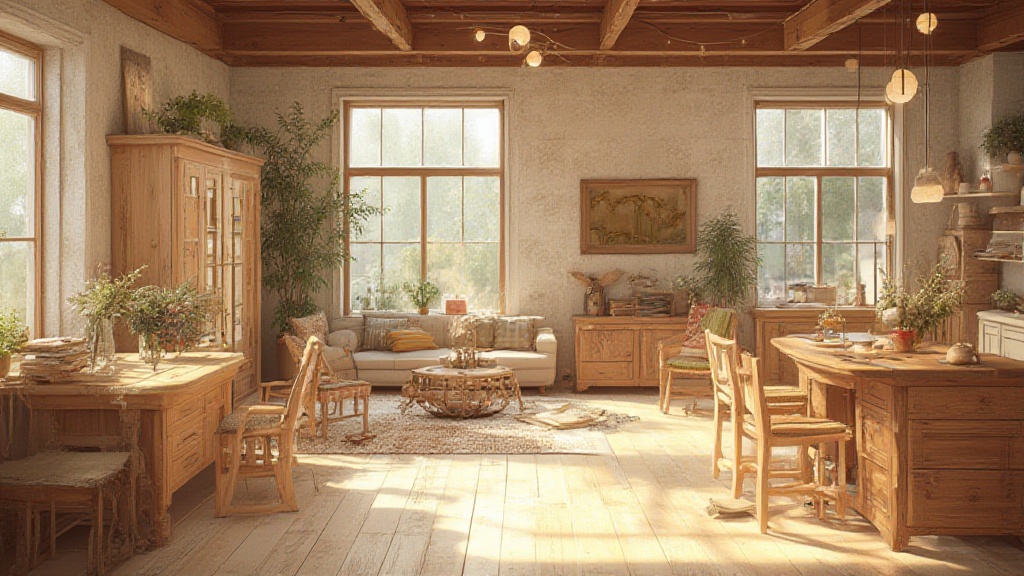
Analyzing furniture prices aids consumers in making informed decisions. A comparison of oak vs pine furniture prices reveals significant value differences.
Typically, oak furniture commands a higher price, largely due to its durability and visual appeal.
Alternatively, pine presents a budget-friendly option for buyers seeking short-term solutions.
This price analysis demonstrates the disparity: oak is priced for its longevity and elegance, while pine serves as a softwood alternative with lower initial costs. Potential buyers should factor in personal preferences, alongside maintenance costs, when making choices.
‘Click here to learn more about:’ oak furniture
Material Quality: Oak Vs Pine Comparison
When evaluating material quality, durability emerges as a key factor influencing furniture longevity.
Oak’s hardness typically makes it a favored choice for high-use items, offering superior durability. On the contrary, pine, classified as a softwood, is more susceptible to dents and scratches.
During your assessment of potential furniture, focus on wood density—heavier pieces like oak generally enhance longevity.
A simple tip for buyers is to press a fingernail into the wood, allowing them to gauge indentation; oak’s structure is less prone to marking, showcasing resilience in furniture comparison.
Aged Weathered Finishes
Aged weathered finishes impart a sense of time-worn charm and character, enriching rustic decor and vintage aesthetics.
Techniques used to achieve these finishes involve distressing, layering, and color washing, resulting in a rustic, worn look for wooden furniture. Such finishes are suitable for DIY furniture restoration as well as professional craftsmanship.
These techniques can evoke authenticity, achieving a sense of history and depth in design, making them popular choices for various home decor ideas.
For those looking to explore artisan finishing methods, applying aged finishes can introduce textures, patinas, and character that enhance furniture aesthetics.
Applying aged weathered finishes is not limited to wood; they can also be used on metal, glass, and textiles, making them versatile for diverse interior design styles. Consider utilizing eco-friendly products to align with sustainable practices when working with these finishes.
What Affects Furniture Prices
Various elements shape the price of furniture, impacting buyer decisions. Material quality stands out as a primary factor affecting costs.
For example, furniture constructed from premium hardwood tends to demand a higher price compared to more affordable softwood alternatives.
Craftsmanship also plays a significant role; exceptional artisan skills can increase costs due to the labor intensity involved.
Brand reputation further adds to this pricing variability, as established brands often command higher prices based on perceived value. To achieve the best deal, engage in furniture comparison by checking similar pieces across different sellers.
Consider all factors carefully to assess the value of your potential investment.
Understanding Craftsmanship Quality
Craftsmanship quality in furniture is essential for distinguishing between products.
Detailed workmanship can enhance not just the aesthetic appeal but also the durability and longevity of the piece.
Durability of Oak Vs Pine Options
Evaluating the durability of different wood types reveals important aspects for furniture lovers. Oak is frequently recognized for its impressive longevity and inherent strength, while pine possesses distinct qualities that may better suit specific preferences.
Environmental impact factors, including humidity and temperature, have substantial effects on both wood types’ lifespan, necessitating consideration of your home’s climate for durability.
Maintenance for Prolonged Lifespan
Implementing a consistent maintenance routine is key to preserving valuable furniture.
For oak, regular cleaning and applying protective finishes can significantly enhance its durability.
Conversely, caring for pine furniture—such as utilizing coasters to prevent scratches—will maintain its appearance and extend its life.
Each wood type requires tailored maintenance techniques for optimal performance and longevity.
Connecting with Aged Weathered Finishes
Exploring aged weathered finishes adds another dimension to your furniture choices. These techniques enhance surfaces to replicate natural aging, creating a sense of rustic charm.
Methods such as distressing and color washing are popular among DIY enthusiasts and professionals alike, contributing to the growing trend of vintage restoration.
| Factor | Oak | Pine | Maintenance Tips |
|---|---|---|---|
| Durability | High longevity and strength | Moderate durability | Regular cleaning and protective finishes for oak; use coasters for pine |
| Environmental Impact | Less affected by humidity | More susceptible to climate changes | Consider home climate for both types |
| Craftsmanship Quality | Exceptional artisan skills enhance value | Varies based on construction | Look for detailed workmanship to ensure quality |
Grain Patterns and Their Aesthetic Appeal
Every piece of wood carries unique grain patterns that contribute significantly to its aesthetic appeal. These patterns can showcase visual characteristics that enhance the overall design of furniture.
For instance, certain grain structures may evoke a rustic charm or a more modern appeal in home decor, making the choice of wood pivotal in defining your interior theme.
To recognize quality grain when selecting wood, keep an eye out for consistent and minimal imperfections.
This meticulous attention to detail signifies superior craftsmanship and influences both beauty and durability.
Tips for Recognizing Quality Grain
- Look for consistent patterns across the surface.
- Avoid wood with excessive knots or blemishes.
- Examine the grain under different lighting to reveal texture differences.
Emphasizing Character in Wood
The grain pattern of wood not only influences its aesthetic appeal but also highlights the wood’s inherent character. A thoughtful selection based on grain can enhance your interior’s overall design strategy.
Maintenance Costs: Oak Vs Pine Analysis
Evaluating maintenance costs plays a crucial role in understanding long-term ownership expenses related to various types of wood. The maintenance requirements can vary significantly based on the type of wood chosen. For example, oak typically demands more care compared to pine, affecting overall investment potential over time.
High-quality finish options can effectively reduce the need for frequent upkeep, ensuring that your furniture remains not only aesthetic but also resilient against wear. Regular maintenance is essential; neglect could lead to hidden costs impacting both longevity and resale value. By choosing the right finishes, homeowners can significantly lessen future maintenance requirements.
Choosing Effective Finishes
High-quality finishes contribute immensely to the overall functionality and durability of wooden furniture, promoting a better user experience.
Long-Term Care Strategies
- Invest in protective layers that enhance the structural integrity of the wood.
- Develop a regular maintenance routine to prevent hidden costs.
- Research eco-friendly finishing techniques for a sustainable approach.
Grain Patterns and Maintenance Costs
- Wood grain patterns can vary significantly, affecting both aesthetics and the perceived value of furniture.
- Regular maintenance can extend the lifespan of wooden furniture, preventing costly repairs or replacements.
- High-quality finishes not only enhance appearance but also protect wood from environmental damage, reducing long-term maintenance costs.
- Different wood types have varying maintenance needs, with oak generally requiring more care than pine.
Aesthetic Appeal: Which Wood Wins
Choosing wood for your furniture significantly influences the design choices throughout your home. Each style, whether modern, rustic, or farmhouse, plays a pivotal role in shaping wood preferences, establishing unique atmospheres.
Mixing materials can elevate aesthetic appeal; for example, blending oak furniture with metal accents results in a harmonious visual effect.
Combining textures enhances the warmth and character of your space.
This synergy not only showcases the beauty of wood but also enriches your home decor by integrating diverse textures and finishes.
Ultimately, such combinations reflect personal taste while upholding functional integrity.
Creating a Cohesive Look
When aiming for a cohesive look, consider the role of different materials. Wood’s texture differences can be beautifully complemented with fabrics, metals, or ceramics to create a balanced environment.
For instance, pairing a robust wooden table with softer textile chairs can soften the overall aesthetic while emphasizing each component’s qualities.
Longevity: Is Oak Worth The Investment
Selecting oak furniture offers numerous advantages due to its esteemed durability and enduring appeal. The inherent qualities of oak ensure it retains its value exceptionally well, making it an excellent selection for long-term furniture investments.
The value assessment of oak often highlights its potential as a cherished heirloom, with pieces frequently passed down through generations, imbuing them with significant emotional resonance.
Heirloom quality enhances the long-term rewards of your investment.
Evaluating options must include scrutiny of craftsmanship quality and sustainability of the wood utilized.
Evaluating Long-Term Value
When contemplating the longevity of oak furniture, one must acknowledge how well it withstands the test of time.
Not only does it maintain structural integrity, but its classic aesthetic ensures satisfaction for years to come, contributing significantly to a well-curated home environment. By recognizing the potential for investment potential, buyers can ensure their selections align with both personal style and practical needs.
Wood Selection
- Wood furniture significantly influences overall home design and atmosphere.
- Mixing materials, such as wood and metal, enhances visual appeal and texture.
- Oak is known for its durability, making it a wise long-term investment.
- Heirloom-quality oak furniture can be passed down through generations, increasing its emotional value.
Crafting Potential: Choosing The Right Material
The choice of material has significant impact on the overall outcome of your projects. Wood varieties not only differ in aesthetics but also in functionality, which directly affects your design choices.
To ensure you select the most suitable material, conduct practical assessments tailored to your specific needs.
For instance, hardwood like oak offers durability, whereas softwood such as pine is often more pliable.
Testing Suitability of Materials
Before proceeding with your project, it’s beneficial to perform tests to evaluate material qualities that affect longevity and functionality.
- Workability Test: Assess how easily the wood can be cut and finished without splintering to gauge craftsmanship quality.
- Durability Assessment: Perform a scratch test to determine how well the material withstands wear and tear, which directly influences maintenance costs.
Evaluating Aged Weathered Finishes
Aged weathered finishes are increasingly popular in creating rustic decor that encapsulates timeless charm. These techniques simulate natural aging, enhancing the visual characteristics of wooden surfaces.
- Distressing Techniques: Methods like sanding and staining contribute to a vintage appeal, perfect for those looking to add character to their projects.
- Layering and Color Washing: These processes involve applying multiple finishes to create depth and a sense of history, making them suitable for both DIY furniture restoration and professional applications.
Ultimately, the right material choice enhances your crafting potential while ensuring that your projects align with your desired style compatibility and performance attributes.
Material Selection
- Different wood types can alter the aesthetic and functional qualities of a project, influencing overall design decisions.
- Hardwoods typically provide greater durability compared to softwoods, making them ideal for high-wear applications.
- Testing material properties, such as workability and durability, can significantly reduce long-term maintenance costs.
- Aged weathered finishes can increase the appeal of wooden projects, attracting consumers looking for unique and rustic designs.