
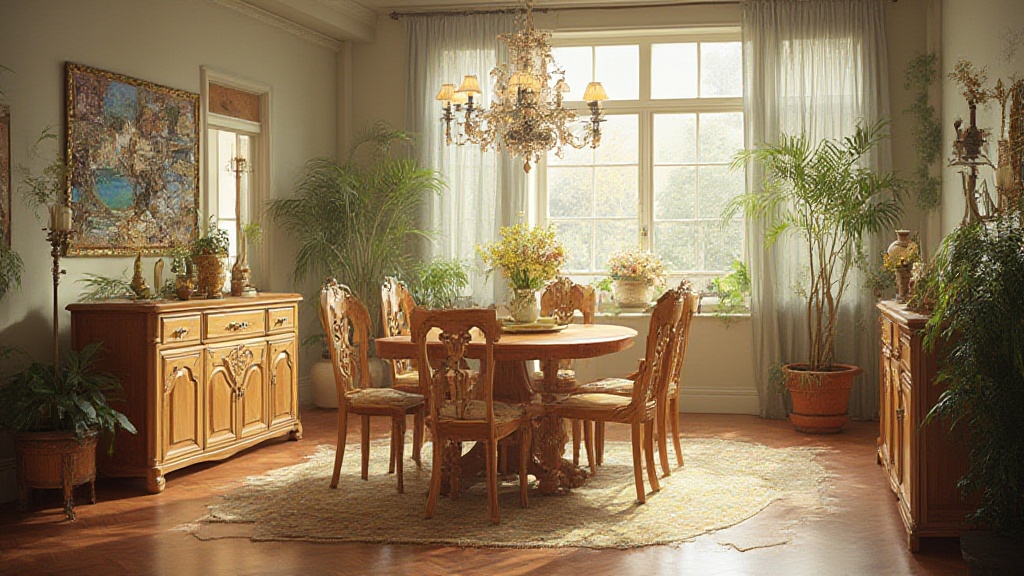
Caring for your oak furniture is fundamental in preserving its timeless beauty and durability. Consistent furniture maintenance will help sustain its classic appeal over the years.
Implementing cleaning techniques such as gentle dusting and prompt spill cleanup can effectively prevent unsightly stains and damage.
Utilizing natural oils not only enhances the wood grain but also provides a protective layer that minimizes wear.
To maintain optimal preservation, applying furniture wax every few months will significantly contribute to its longevity, ensuring your investment remains beautiful and functional.
Click here to learn more about: oak furniture
The Significance of Furniture Maintenance
Effective furniture maintenance directly influences the lifespan of your oak pieces. Regular upkeep can thwart costly repairs while ensuring that your furniture retains its aesthetic appeal.
Setting up a straightforward maintenance schedule tailored to your oak items—such as dusting every two weeks and a thorough cleaning each season—will vastly improve their durability. Investing in protective finishes plays a pivotal role in preventing scratches and water stains, thus maintaining both function and beauty for years to come.
Emphasizing maintenance not only reduces expenses but also enhances your home’s overall design.
Aged Weathered Finishes for Added Charm
Applying aged weathered finishes to your oak furniture can evoke a sense of character and history.
These techniques mimic natural aging processes, yielding a rustic aesthetic that resonates with vintage and farmhouse decor.
Distressing, layering, and color washing can transform surfaces, making them appear more authentic and inviting. Suitable for both DIY enthusiasts and professional restorers, these methods enhance the overall texture and appeal of your furniture.
Utilizing eco-friendly products during these processes aligns with sustainable furniture restoration efforts, showcasing your commitment to the environment.
Craftsmanship and Tools for Finishing Touches
For those interested in perfecting antique finishes, having the right tools is essential. Commonly required items include brushes, spray guns, sandpaper, rags, and staining cloths.
Each technique may vary based on the desired finish, whether simple distressing or more complex layering.
Safety precautions are vital when working with chemical finishes, so always prioritize personal safety.
Experimentation is encouraged to develop a unique style that aligns with your vision for aged weathered finishes.
Effective Wood Preservation Techniques
Wood preservation depends significantly on temperature and humidity levels affecting oak. Humidity exceeding 50% can result in swelling, while low humidity can cause cracks.
Aim for an optimal range of 30-50% humidity and 60-80°F to maintain furniture integrity.
Selecting the right wood treatments enhances preservation; consider eco-friendly sealants that complement oak’s natural beauty.
Regular periodic inspections twice a year help catch early signs of rot or infestation, which is essential for extending furniture longevity. Consistent maintenance practices enhance lasting wood care.
The Impact of Humidity and Temperature
Humidity control plays a vital role in furniture maintenance.
Excess moisture invites mold, while dry conditions can lead to splintering. By maintaining humidity within the recommended range, furniture preservation becomes more effective.
Selecting Wood Treatments
Choosing appropriate wood treatments such as sealants and oils greatly affects wood preservation.
Eco-friendly products not only benefit the environment but also provide adequate protection against wear.
Importance of Regular Inspections
Conducting periodic inspections ensures any minor issues are identified and addressed promptly.
This practice extends the life of your furniture and prevents significant damage.
Essential Cleaning Techniques For Oak
Maintaining the elegance of oak surfaces requires effective cleaning techniques.
Using pH-balanced cleaners proves beneficial as they protect surfaces from damage while preserving the finish. Start with dusting surfaces using a microfiber cloth to eliminate dirt particles.
Step-by-Step Guide for Deep Cleaning
Prepare a cleaning solution by mixing the cleaner with water.
Employ a damp cloth to follow the wood grain direction while cleaning. Afterward, use a dry cloth to buff the surface, ensuring all moisture is removed.
This regular cleaning routine greatly contributes to maintaining the natural beauty of your oak furniture and reinforcing its longevity.
Aged weathered finishes evoke a sense of charm and character, often seen in rustic decor and vintage aesthetics.
Benefits of Aged Weathered Finishes
The application of aged weathered finishes involves aging wood and other materials to achieve a rustic look.
The techniques include distressing, layering, and color washing, which enhance the authenticity of furniture and home decor.
Techniques for Aged Finishes
These can be applied to various materials such as wood, metal, and textiles. Common techniques include sanding, staining, and glazing, each providing unique results tailored to specific aesthetic desires.
DIY and Professional Applications
Aged weathered finishes are suitable for both DIY furniture restoration and professional craftsmanship.
Consider using eco-friendly products for sustainable projects, and always adhere to safety measures when working with chemicals.
Experimentation is key in discovering a personal style within the realm of aged finishes. Seek out step-by-step tutorials and practice on sample pieces to refine your techniques.
Wood Preservation and Maintenance
- Humidity levels above 50% can lead to swelling in wood, while levels below 30% can cause cracking.
- Regular inspections twice a year can help identify early signs of rot or infestation, extending the lifespan of furniture.
- Using pH-balanced cleaners protects oak surfaces and maintains their finish while preventing damage.
- Aged weathered finishes enhance the rustic appeal of furniture through techniques like distressing and color washing.
Choosing Protective Finishes Wisely
The right finish for your oak furniture significantly influences its furniture maintenance and longevity. Oil-based finishes are known for their durability, making them perfect for high-use areas.
These finishes have longer drying times.
On the flip side, water-based finishes dry swiftly and emit lower odors, ideal for indoor applications.
The chosen finish not only impacts the maintenance schedule but also dictates how often touch-ups are necessary. To ensure a satisfying result, it’s always wise to test finishes on small sample areas, allowing you to see how different options enhance the wood grain and overall appearance.
Best Natural Oils For Oak Care
Natural oils provide numerous advantages over synthetic options when it comes to wood preservation.
Environmentally friendly choices like linseed and tung oil not only improve the wood’s grain enhancement but also create a rich and warm finish. Understanding the right application frequency is essential; pieces that receive light use may require oil once every six months, while those in bustling areas benefit from quarterly applications.
Utilizing natural oils promotes furniture longevity while highlighting the wood’s inherent beauty.
Trying out various oils can lead to satisfying results, allowing you to identify the best match for your specific furniture style and usage needs.
Aged Weathered Finishes
Aged weathered finishes evoke a sense of authentic charm and character, often found in rustic decor and vintage aesthetics.
Techniques used to achieve this look can involve aging wood and other materials through methods such as distressing and layering. These finishes lend a sense of history and depth to your furniture and decor.
Suitable for both DIY projects and professional craftsmanship, aged finishes can transform any piece into a timeless work of art. Be sure to consider eco-friendly products for a sustainable approach while exploring various techniques.
Protective Finishes for Oak Furniture
- Oil-based finishes can extend the lifespan of furniture by providing a durable protective layer.
- Water-based finishes are preferred for indoor furniture due to their quick drying time and low odor.
- Natural oils like linseed and tung oil enhance the wood grain and require less frequent applications for lightly used pieces.
- Aged weathered finishes add character and charm, making furniture appear more authentic and timeless.
Polishing Methods For A Shine
Employing effective polishing methods significantly enhances the allure of oak furniture. While cleaning techniques focus on removing dirt and grime, polishing elevates the wood grain, resulting in a lustrous finish.
Wax polishes are known to yield a thicker protective layer, providing durability against minor scratches and enhancing furniture longevity.
Conversely, liquid polishes offer a quick shine, making them ideal for frequent application.
Choosing the right polish can dramatically impact the appearance of your furniture.
For the best results, utilize a microfiber cloth, which effectively lifts dust without scratching, ensuring a radiant finish.
Alternatively, using 100% cotton cloths can also produce impressive outcomes. Regularly incorporating polishing into your furniture maintenance routine will enhance surface treatment and promote a vibrant look.
Dusting Strategies To Prevent Damage
Utilizing appropriate dustin g strategies is paramount for preserving oak furniture’s aesthetics and durability.
The right dusting tools can help prevent scratches and maintain a pristine appearance. Microfiber dusters excel at trapping dust without causing surface scratches, while feather dusters are suited for intricate designs but should be used carefully.
Establishing a routine can safeguard your investment in high-quality furniture.
To ensure effective furniture maintenance, consider the following recommendations for a dusting schedule based on environmental factors:
- Air Quality: Dust more frequently in areas with higher dust levels.
- Humidity Control: Adjust your dusting frequency according to humidity fluctuations.
- Traffic Areas: Pay extra attention to high-traffic areas, aiming to dust these spaces weekly.
By adopting these strategies, you enhance wood preservation and improve your overall care routine. Regular maintenance will ensure your furniture remains beautiful and well-protected against damage.
Furniture Care
- Regular polishing can increase the lifespan of oak furniture by protecting it from wear and tear.
- Microfiber cloths can remove up to 99% of dust and allergens without scratching surfaces.
- Dusting high-traffic areas weekly can prevent the buildup of dirt and prolong the furniture’s finish.
- Using wax polish can create a barrier against moisture and stains, enhancing the durability of wood surfaces.
Scratch Repair Tips For Oak Furniture
Maintaining oak furniture’s natural beauty requires prompt attention to scratches. Addressing these surface scratches quickly can prevent more extensive damage in the long run.
For effective touch-up methods, consider previous discussions on protective finishes, which play an essential role in safeguarding the furniture’s integrity.
Incorporating natural materials such as olive oil or beeswax provides a sustainable approach for minor repairs.
By treating scratches as soon as they appear, you can enhance your furniture’s character while preserving its visual appeal and longevity. Timely repairs not only maintain aesthetics but also extend the life of your cherished oak pieces.
Utilizing Natural Materials
Natural oils are excellent for maintaining oak furniture.
Using natural oils can deeply condition the wood grain, enhancing its appearance and longevity. Consider employing furniture polish made from eco-friendly products that nourish the finish while providing necessary protection against future harm.
Incorporating a maintenance schedule ensures that your oak pieces remain beautiful and well-preserved.
Surface Restoration Techniques
Restoration techniques are vital when dealing with more severe scratches.
Employing wood treatments, including conditioners and wax, can effectively restore damaged areas.
Using a microfiber cloth for application helps in achieving an even finish. Understanding polishing methods enhances the surface and protects it from dirt accumulation.
Engaging in DIY furniture restoration projects can be a rewarding way to preserve the unique charm of your oak furniture.
Preventive Measures
Establishing a routine for cleaning ensures that your oak furniture stays in excellent condition. Implementing effective cleaning techniques minimizes the chances of scratches occurring in the first place.
Applying appropriate protective coatings and finishes can offer significant resistance to wear and tear.
Investing in quality maintenance products promotes the overall longevity of your furniture, making it stand the test of time.
Oak Furniture Care
- Regular maintenance can extend the lifespan of oak furniture by up to 50%.
- Natural oils like olive oil can enhance the wood’s appearance while providing moisture to prevent cracking.
- Using protective coatings can reduce the risk of scratches and damage by 70%.
- DIY restoration can save homeowners an average of 30% in repair costs compared to professional services.