
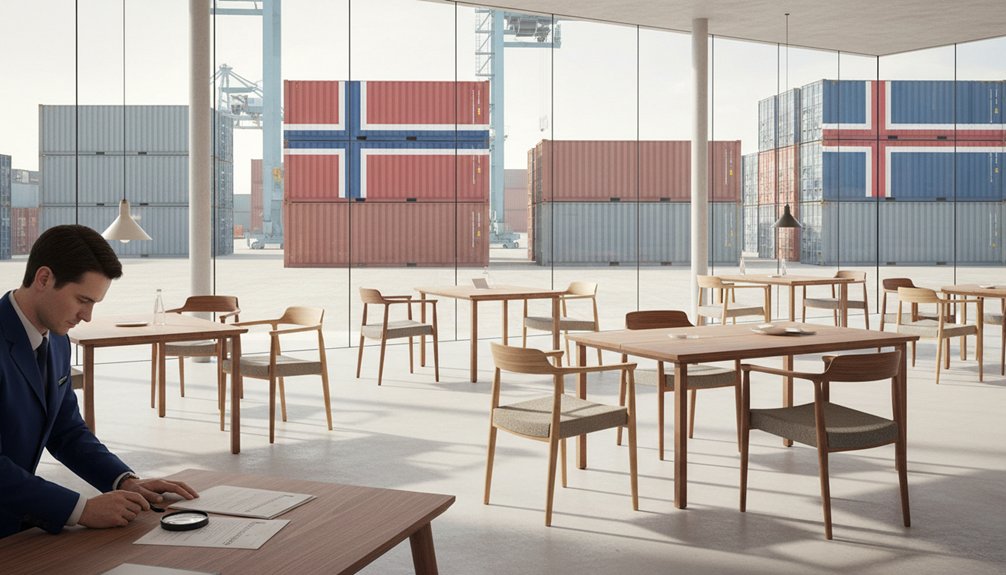
EFTA nations—specifically Iceland, Liechtenstein, Norway, and Switzerland—have significantly increased their furniture trade following the 2025 Free Trade Agreement with Ukraine. This agreement removed industrial tariffs and allowed a 66.2% increase in duty-free furniture items. As a result, EFTA countries reported a trade turnover of EUR 1.3 billion, with imports growing at an annual rate of 9.3%.
The agreement focuses on sustainability by promoting eco-friendly materials and innovative production techniques. Ukrainian furniture producers benefit from lower export costs, making their products more competitive in EFTA markets. This partnership creates valuable opportunities for small and medium-sized enterprises (SMEs) looking to engage in cross-border collaboration. Understanding this evolving trade landscape is crucial for anyone involved in the furniture industry.
Overview of EFTA’s Economic Structure and Trade Relations
The European Free Trade Association (EFTA) operates independently of the European Union and plays a crucial role in international trade. EFTA includes Iceland, Liechtenstein, Norway, and Switzerland, forming a strong free trade area that enhances the global competitiveness of these countries.
EFTA member states negotiate trade agreements collectively, which allows them to secure favorable terms, especially in specialized industries such as furniture manufacturing and distribution.
In 2024, EFTA’s bilateral merchandise trade approached EUR 1.1 billion, highlighting the bloc’s economic significance. The EFTA Statistical Office tracks trade dynamics and provides essential data that inform policy decisions.
This structure allows member states to retain economic autonomy while benefiting from collaborative trade strategies. These strategies improve their positions in international markets, ensuring that EFTA members can effectively respond to global trade challenges.
The Modernized Free Trade Agreement and Its Impact on Furniture Commerce
Since the modernized Free Trade Agreement between EFTA nations and Ukraine was signed on April 8, 2025, furniture commerce has undergone significant changes. The agreement eliminated industrial tariffs, resulting in a 66.2% increase in duty-free furniture items. This increase creates new market opportunities for Ukrainian furniture producers in EFTA countries.
Switzerland benefits from reduced import tariffs on furniture design, making it easier for Ukrainian products to enter its market. Norway enhances access to Ukrainian furniture, allowing consumers to choose from a wider range of options. Together, these EFTA markets achieved a trade turnover of EUR 1.3 billion, highlighting the economic impact of the agreement.
EFTA markets Switzerland and Norway now provide enhanced access for Ukrainian furniture, generating EUR 1.3 billion in combined trade turnover.
The new trade regulations now prioritize sustainability in furniture commerce, replacing the outdated framework from 2010. With Switzerland and Norway as key importers, they enjoy competitive pricing on Ukrainian furniture.
These updated provisions strengthen market access while promoting responsible furniture design practices across all participating countries.
Tariff Eliminations and Market Access for Furniture Producers
The elimination of tariffs under the modernized FTA significantly enhances Ukrainian furniture producers’ competitiveness in EFTA markets. The new agreement removes tariffs on industrial goods, including furniture, which lowers export costs to Iceland, Liechtenstein, Norway, and Switzerland. This reduction allows Ukrainian manufacturers to offer more competitive prices compared to the 2010 agreement, where higher import duties applied to furniture.
EFTA countries increasingly demand imported furniture, presenting a substantial market expansion opportunity for Ukrainian producers. The improved trade facilitation provisions further streamline access to these markets.
The agreement expands the range of duty-free goods, strengthening commercial relationships between Ukrainian manufacturers and EFTA countries.
As a result, Ukrainian furniture producers gain enhanced market access, allowing them to meet consumer demand efficiently while maintaining competitive pricing in EFTA nations. This strategic advantage positions them to capitalize on the growing demand for imported furniture.
Key Furniture Trade Statistics Between EFTA States and Trading Partners
In 2024, Ukraine’s furniture imports to EFTA States account for a significant portion of their merchandise trade, which totals nearly EUR 1.1 billion.
The trade relationship between EFTA and Ukraine has shown steady growth, with EFTA’s imports from Ukraine increasing at an average rate of 9.3% per year over the past five years.
This trend indicates that furniture products play a crucial role in strengthening the economic ties between EFTA nations and Ukraine.
The consistent rise in furniture imports highlights the importance of this sector in the overall trade dynamics, as both parties benefit from this expanding market.
Ukraine-EFTA Furniture Imports
Ukraine’s furniture exports to EFTA countries, including Norway and Switzerland, have grown significantly in recent years. The modernized Free Trade Agreement removed tariffs on industrial goods, making it easier for Ukrainian-made furniture to compete in these markets. In 2024, furniture trade accounted for a substantial part of the EUR 1.3 billion merchandise turnover between Ukraine and EFTA countries.
| Product Category | Market Access | Trade Benefits |
|---|---|---|
| Office Furniture | Tariff-Free | Enhanced regulations |
| Residential Items | Zero Duties | Intellectual property protection |
| Custom Designs | Streamlined | Sanitary measures |
EFTA preferences provide important advantages for Ukrainian furniture products. The removal of tariffs allows us to price our products more competitively. Enhanced regulations ensure that our office furniture meets high standards, which appeals to businesses in these countries. The zero duties on residential items remove financial barriers, encouraging more consumers to choose Ukrainian designs. Streamlined processes for custom designs facilitate quicker market entry, while strong intellectual property protections help safeguard our unique creations.
Bilateral Trade Growth Trends
EFTA countries have significantly increased their furniture imports from Ukraine. Over the past five years, these imports have grown at an annual rate of 9.3%. This growth illustrates the changing trade dynamics between EFTA nations and Ukraine, with total merchandise exchange expected to reach nearly EUR 1.3 billion in 2024.
The furniture design sector is crucial in this exchange, particularly focusing on wooden furniture and upholstered items. Switzerland and Norway are leading importers, taking advantage of expanded duty-free access to Ukrainian products.
The modernized Free Trade Agreement, signed in April 2025, supports this trend by removing tariffs on various furniture categories. This partnership strengthens market opportunities for Ukrainian manufacturers while addressing EFTA’s rising demand for quality furniture.
Sustainability and Innovation in EFTA’s Furniture Sector
EFTA countries lead in sustainable furniture production by using eco-friendly practices in their manufacturing processes. These nations prioritize sustainable materials, such as recycled wood and natural fibers, to create their products. They also embrace innovative designs that significantly reduce environmental impact. By integrating technology, manufacturers streamline production, minimize waste, and enhance efficiency.
| Sustainability Practice | Innovation Approach | Market Impact |
|---|---|---|
| Use of eco-friendly materials | Adoption of digital design tools | Improved trade access |
| Implementation of circular economy models | Utilization of waste reduction technology | Increased consumer appeal |
| Development of recycling programs | Collaboration with artisans | Preservation of cultural heritage |
EFTA’s trade agreements benefit eco-conscious manufacturers by facilitating easier market access across borders. Local artisans collaborate with modern producers to create unique pieces that honor cultural heritage while catering to contemporary consumer demands. This blend of tradition and innovation positions EFTA’s furniture sector for sustained growth in responsible consumption markets.
Opportunities for SMEs in Cross-Border Furniture Trade
Small and Medium-sized Enterprises (SMEs) gain significant advantages in the furniture trade between EFTA nations and their partners. The updated Free Trade Agreement (FTA) with Ukraine removes tariffs on certain furniture categories. This change allows SMEs to collaborate across borders more easily and profitably.
The updated EFTA-Ukraine FTA eliminates furniture tariffs, empowering SMEs to forge profitable cross-border partnerships with reduced trade barriers.
You can access markets in Switzerland, Norway, and other EFTA countries without paying duties, which reduces your export costs and increases your competitiveness.
You can diversify your market reach by utilizing improved access to commercial information and trade facilitation measures. With furniture trade projected to reach nearly EUR 1.3 billion in 2024, SMEs can tap into this growing opportunity by sharing resources and building networks.
The FTA specifically supports SMEs by lowering financial barriers and promoting cooperation. This enables you to compete more effectively in international markets and capitalize on the benefits of cross-border trade.