
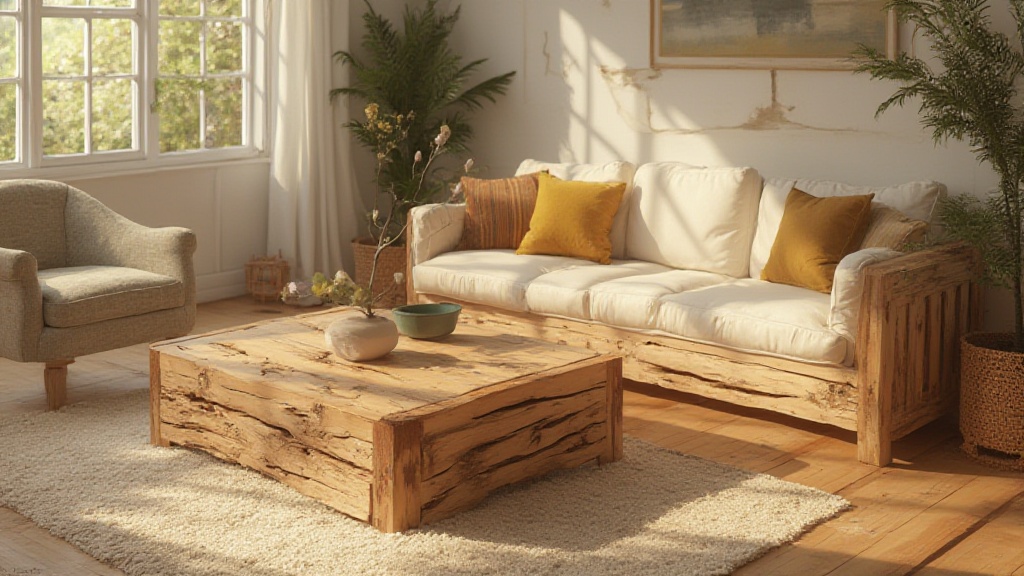
Pine furniture combines an appealing price point with a rustic aesthetic, making it a favored option among homeowners. Potential buyers should consider the disadvantages of pine furniture before finalizing their decision.
First, this softwood is inherently more susceptible to scratches and dents, leading to significant wear and tear over time.
Such susceptibility can result in damage that may require frequent maintenance.
Pine furniture often exhibits a lower resale value, which can hinder its long-term investment potential, rendering it a less appealing choice for those valuing durability and investment.
Click here to learn more about: oak furniture
Durability Concerns of Pine Furniture
When evaluating furniture longevity, durability plays a pivotal role. Although pine furniture is recognized for its cost-effectiveness, it frequently falls short in terms of enduring strength.
Its softwood composition makes the material particularly vulnerable to common wear and tear factors, including:
- Scratches
- Dents
- Moisture exposure
- Environmental temperature changes
These factors can lead to warping and other structural integrity issues that compromise the furniture’s lifespan. To enhance durability, choosing high-quality pine from reputable sources is advisable. Look for pieces with tighter grain patterns and reinforced construction techniques to significantly improve their longevity and resistance to damage.
Aged Weathered Finishes: An Aesthetic Appeal
Embracing aged weathered finishes evokes a sense of time-worn charm and character, amplifying the aesthetic appeal of pine furniture. These techniques enhance surfaces to emulate natural aging, contributing authenticity to furniture and home decor. Typical techniques include:
- Distressing
- Layering
- Color washing
These methods impart not just a sense of history but also depth to the design. Suitable for both DIY projects and professional craftsmanship, aged weathered finishes can be applied to various materials, including wood, metal, and glass. Techniques may involve sanding, staining, and glazing for distinctive results.
For those seeking a sustainable approach, consider using eco-friendly products in the application of these finishes. Achieving a unique style within the realm of aged finishes often requires experimentation and practice on sample pieces. Tools such as brushes, spray guns, and sandpaper are essential for attaining the desired effect. Always prioritize safety when working with chemical finishes to ensure a secure crafting experience.
How Does Moisture Affect Pine
Moisture significantly influences the durability and aesthetics of pine furniture. High humidity levels cause wood to swell, while low humidity leads to shrinkage.
Understanding these dynamics is essential for preserving the structural integrity of your furniture.
When pine expands and contracts due to moisture variation, it can create gaps, warping, or even cracks over time.
To maintain optimal indoor humidity levels, consider employing a hygrometer to monitor your space. Aim to keep humidity between 30-50% to effectively prolong the life of your pine furniture while preventing moisture-related issues.
Understanding The Impact Of Scratches
Visible scratches can detract from the overall appearance and value of your pine furniture, impacting its aesthetic appeal.
Such damage not only reduces beauty but also diminishes resale value, making prevention paramount. Choosing the right finish, like lacquer or polyurethane, can protect against scratches and enhance durability.
Regular maintenance, including the use of coasters and placemats, can help prevent scratches from everyday items.
By prioritizing these protective measures, you maintain the furniture’s charm and longevity, ensuring it remains a valuable investment in your living space.
Aged Weathered Finishes
Aged weathered finishes evoke a sense of time-worn charm and character, often featured in rustic decor and vintage aesthetics.
These techniques involve aging wood and other materials to achieve a rustic, worn look, enhancing authenticity in furniture, walls, and various materials. Commonly used in home decor, furniture restoration, and artistic applications, processes may include distressing, layering, and color washing to create a sense of history and depth in design.
- Suitable for DIY projects and professional craftsmanship alike.
- Common techniques include sanding, staining, and glazing for unique results.
- Consider using eco-friendly products for a sustainable approach.
- Experimentation is key to developing a personal style within the realm of aged finishes.
- Practice different methods on sample pieces to refine your techniques.
Tools commonly required for these techniques include brushes, spray guns, sandpaper, rags, and staining cloths. Always prioritize safety measures when working with chemical finishes to ensure a secure and enjoyable crafting experience.
| Aspect | Recommendation |
|---|---|
| Optimal Humidity Level | 30-50% |
| Recommended Finish for Scratch Protection | Lacquer or Polyurethane |
| Common Techniques for Aged Finishes | Sanding, Staining, Glazing |
| Essential Tools for Crafting | Brushes, Spray Guns, Sandpaper |
The Risk Of Dents In Pine
The vulnerabilities of pine furniture can significantly affect its charm and durability. Dents pose a threat to both the aesthetic appeal and longevity of pine pieces, leading to a compromised structural integrity over time.
To minimize dent occurrences, furniture placement plays a key role; avoid high-traffic areas where movement can generate undue pressure.
Strategies to Prevent Dents
- Use felt pads under furniture legs to distribute weight evenly, which minimizes pressure on the wood.
- Reorganize furniture in a kid-friendly manner to prevent accidental impacts.
- Consider the weight of items placed on pine furniture; heavy objects can lead to scratches and dents over time.
Implementing these strategic measures not only protects your investment but also enhances the visual appeal of your living space.
Why Pine Furniture Warps Easily
Environmental factors play a significant role in warping pine furniture, particularly through moisture exposure. Pine’s softwood characteristics make it more susceptible to changes in humidity, leading to unwanted expansion and contraction. Proper maintenance, such as regularly monitoring humidity levels, is vital for preventing warping.
Maintaining Stability
To ensure the longevity of your pine furniture:
– Shielding furniture from direct sunlight can minimize the risk of distortion; consider using curtains to block harsh rays.
Maintaining a stable environment is essential for preserving both the structural integrity and beauty of your pine pieces, ultimately extending their life and functionality in your home.
| Risk Factors | Preventive Measures |
|---|---|
| Dents from heavy objects | Use felt pads under furniture legs |
| Warping due to moisture | Regularly monitor humidity levels |
| Direct sunlight exposure | Use curtains to block harsh rays |
Maintenance Challenges With Pine Furniture
Maintaining the beauty of pine furniture requires a strategic approach due to its susceptibility to wear and tear. Regular cleaning with a soft, damp cloth prevents scratches that can mar the surface.
For deeper cleanings, gentle wood-safe cleaners are essential to remove grime without damaging the finish.
Utilizing harsh chemicals risks stripping the wood’s natural oils, leading to long-term damage.
Establish a practical maintenance routine by waxing every six months, as this protects the furniture’s surface effectively. Placing coasters and placemats minimizes direct contact with hot or wet items, ensuring the furniture’s aesthetic appeal and durability remain intact.
Regular refinishing can also enhance the wood’s structural integrity and lifespan.
Practical Cleaning Techniques
Choosing the right cleaning techniques contributes significantly to the longevity of your furniture. When dealing with moisture, always ensure that the cleaning cloth is only slightly damp to avoid moisture damage.
Refinishing the surface with compatible varnishes or lacquers can add a layer of protection against everyday wear and tear.
Does Pine Furniture Fade Over Time
The longevity of pine furniture’s aesthetic appeal is often threatened by fading, a frequent consequence of prolonged UV exposure.
Excessive sunlight leads to color changes, resulting in unappealing, uneven coloration.
To combat this fading, place your furniture away from direct sunlight, ensuring its beauty lasts longer. Consider applying UV-protective sprays to shield the wood from harmful rays, preserving the charm of the pine.
Incorporating sheer curtains or blinds in sun-exposed areas can also offer additional protection, maintaining your pine furniture’s original allure for years.
Enhancing Protection and Preservation
Utilizing treatments designed for UV protection can significantly extend the lifespan of your furniture. By regularly treating your furniture with appropriate products, you can enhance its overall durability and maintain its appealing grain pattern.
This simple practice can yield impressive results, ensuring that your investment in pine furniture continues to shine.
Pine Furniture Maintenance
- Pine furniture is prone to scratches and damage, necessitating regular cleaning and maintenance.
- Using gentle, wood-safe cleaners helps preserve the finish and natural oils of the wood.
- Regular waxing every six months can effectively protect the surface and enhance durability.
- UV exposure can lead to fading; placing furniture away from direct sunlight can prolong its aesthetic appeal.
Can Pine Furniture Insect Infestation Occur
Pine furniture is not just a beautiful addition to your home; it can also be susceptible to insect infestations that threaten its durability and longevity. Common pests that affect pine include termites, which are notorious for causing extensive damage, and wood borers, that create deep tunnels compromising the structural integrity of the furniture.
Common Pests Affecting Pine
- Termites – These insects can inflict significant damage, often unnoticed until serious issues arise.
- Wood Borers – They create tunnels that weaken the wood, leading to potential collapses.
Prevention Methods
Maintaining the quality of your pine furniture is essential, and regular inspections are key to catching infestations early. Check for signs such as small holes or frass. Here are some effective prevention methods:
- Maintain appropriate humidity levels – Keeping humidity in check can deter pests.
- Perform regular inspections – Look for signs of insect activity during cleaning.
- Use protective finishes – A quality varnish or lacquer can help seal wood and deter infestations.
By taking these proactive measures, you can ensure the longevity of your pine furniture and protect your investment while enjoying its aesthetic appeal and versatility.
| Pest Type | Damage Potential | Signs of Infestation |
|---|---|---|
| Termites | Significant damage, often unnoticed | Small holes in wood |
| Wood Borers | Creates tunnels that weaken wood | Frass (wood dust) around furniture |
| Prevention Method | Effectiveness | Recommended Action |
| Maintain humidity levels | Deters pests | Use a hygrometer to monitor |
| Regular inspections | Early detection of issues | Inspect during cleaning |