
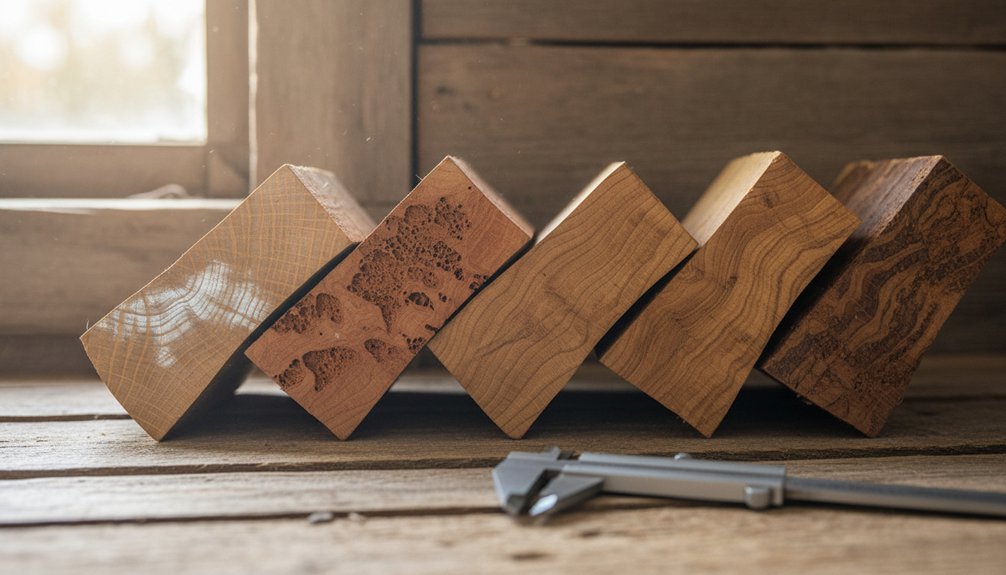
Oak varieties serve specific woodworking purposes due to their unique characteristics. White Oak provides water resistance, so I use it for outdoor furniture and boats. Red Oak has an open grain that absorbs stains well, making it suitable for indoor flooring and cabinetry. English Oak offers exceptional strength, so I choose it for structural applications. European Oak develops rich amber tones as it ages, which adds character to any project. Japanese Oak features a tight grain, ideal for modern furniture designs. Understanding these traits helps me select the right oak for each project, ensuring optimal performance and aesthetics.
White Oak: Durability and Water Resistance
White oak is a top choice for anyone needing durable and water-resistant wood. This hardwood features closed cellular structures called tyloses. Tyloses effectively block moisture from penetrating the wood. This makes white oak an excellent option for outdoor projects like boat building, wine barrels, and exterior furniture. Compared to other woods, white oak resists rot and decay significantly better.
White oak’s tyloses create natural moisture barriers, making it the ideal choice for water-exposed applications like boats and barrels.
When you select white oak, you support sustainable forestry practices by choosing certified suppliers. These suppliers ensure that forests regenerate properly and maintain ecological balance.
White oak has a superior strength-to-weight ratio compared to most hardwoods, making it suitable for structural applications.
Despite its density, white oak is easy to work with. It accepts stains and finishes uniformly. This property allows you to achieve professional results for both indoor and outdoor installations.
Red Oak: Grain Patterns and Workability
Red oak stands out for its visual appeal and ease of work. The prominent grain patterns of red oak create eye-catching finished pieces. The open grain structure absorbs stains and finishes well, allowing for rich color variations. Red oak typically features a pinkish-red hue, which adds warmth to any project.
When working with red oak, you’ll find the wood easy to cut, shape, and sand. Its softer texture compared to white oak makes it more manageable with both hand and power tools.
You can use red oak in various applications, including flooring, cabinetry, furniture, and trim work. It’s especially favored for interior projects, where the dramatic grain patterns enhance visual interest.
Unlike white oak, red oak doesn’t require the same level of moisture protection, making it a practical choice for most indoor settings.
English Oak: Traditional Craftsmanship and Strength
English oak plays a crucial role in European woodworking and construction. Craftsmen use English oak for building sturdy structures, including historic cathedrals, medieval castles, and traditional timber-framed buildings in Britain. The wood’s exceptional strength makes it perfect for applications where durability is essential, such as roof beams and furniture.
When I work with English oak, I appreciate its density and hardness, which help resist decay. This resilience explains why many structures made from English oak have lasted for centuries. The high tannin content in the wood naturally protects against insects and rot, making it a smart choice for long-lasting projects.
In my daily work, I focus on selecting pieces with a tight grain pattern. This pattern provides stability once the wood is properly seasoned.
European Oak: Color Variations and Aging Properties
European oak stands out in woodworking due to its color variations and aging properties. When you start with fresh-cut European oak, you observe light golden-brown and medium tan hues.
As time passes, these colors deepen, transforming into rich amber tones. This process of aging enhances the wood’s character, making it an excellent choice for furniture and flooring projects.
Key Features of European Oak:
- Initial Color Range: The wood starts with light golden-brown and medium tan shades. These colors allow for versatility in design choices.
- Maturing Color Stability: As the wood ages, it develops a consistent patina. This stability enhances the natural beauty of the wood over time.
- Tannin Content Impact: The tannin levels in European oak influence its aging process. Exposure to light and air brings out darker tones, contributing to its rich appearance.
These color variations and aging properties make European oak a valuable choice for those looking to create lasting and visually appealing woodwork.
Japanese Oak: Unique Texture and Modern Applications
Japanese oak features a unique grain pattern that stands out in woodworking. Craftsmen appreciate its tight, straight grain because it provides a clean, refined look that aligns well with Japanese design principles.
The medium density of Japanese oak allows woodworkers to make precise cuts and achieve smooth finishes more easily compared to European or American oak varieties.
In furniture design, Japanese oak is increasingly popular for contemporary pieces that combine traditional and modern styles. You often see it used in minimalist tables, cabinetry, and architectural details where its understated beauty complements clean lines.
The wood’s natural resistance to warping makes it a reliable choice for interior applications.
Japanese oak’s light color palette, ranging from pale cream to soft tan, offers versatility for various design schemes, allowing designers to integrate it seamlessly into different environments.