
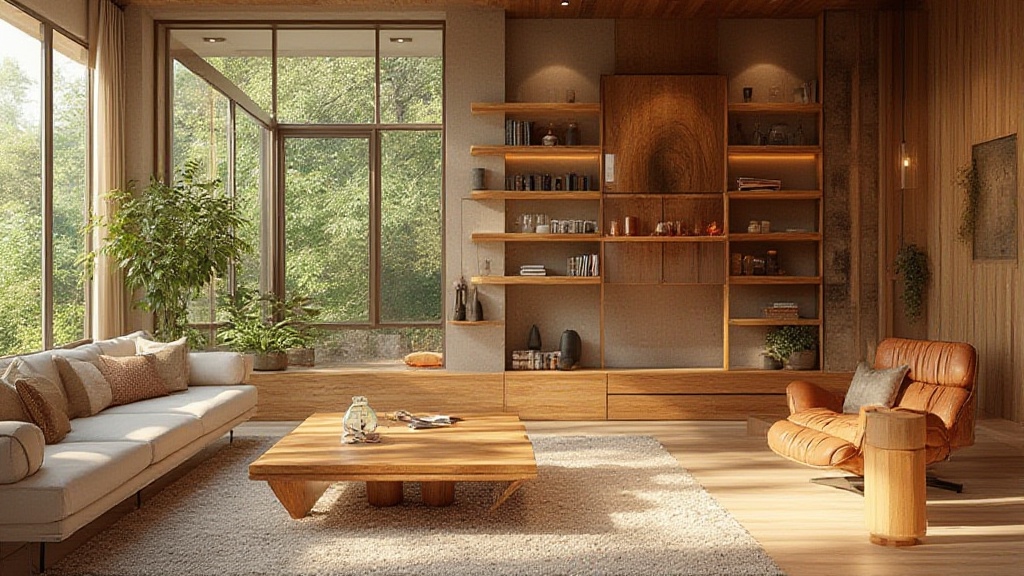
Step into the captivating realm of certified wood furniture, where eco-friendly choices blend seamlessly with exquisite design. Certified wood not only enhances your home’s aesthetics but also supports sustainable forestry practices that protect our environment.
By choosing certified pieces, you contribute to the responsible management of forest resources.
Various certifications, such as the Forest Stewardship Council (FSC), empower you to make informed decisions about your furniture purchases.
Enjoy beautiful pieces that embody quality craftsmanship, longevity, and environmentally responsible practices. This guide reveals essential benefits and insights for integrating certified wood into your living spaces.
Click here to learn more about: oak furniture
Identifying Sustainable Furniture Choices
Recognizing sustainable furniture choices begins with understanding their impact on the environment.
Sustainable furniture, crafted from responsibly sourced materials, minimizes environmental impact while ensuring longevity. The following tips can help you identify genuinely sustainable brands:
- Look for furniture certification marks like FSC and SFI, which indicate ethical sourcing practices.
- Research brands’ transparency regarding their manufacturing practices to gauge their sustainability commitment.
- Prioritize durable pieces designed to last, ultimately reducing waste over time.
Choosing furniture safety and ecofriendly wood directly contributes to a healthier planet for future generations.
Impact of Material Sourcing
The choice of materials significantly affects sustainability. Ecofriendly wood options, including reclaimed wood and sustainably harvested species, lower your carbon footprint and promote responsible consumption. Understanding the importance of low-VOC products can also enhance indoor air quality, ensuring a healthier living environment.
Tips for Ethical Sourcing
To embrace ethical sourcing, pay attention to craftsmanship standards and the origin of wood species. Seek out brands that utilize artisanal design techniques and emphasize natural finishes to create visually stunning and durable pieces. Practicing awareness while shopping contributes to a sustainable lifestyle.
A commitment to preserving our natural resources through sustainable practices ensures future generations can enjoy the beauty of nature.
The Role of Aged Weathered Finishes
Aged weathered finishes evoke a sense of time-worn charm and character, often seen in rustic decor and vintage aesthetics. These techniques enhance surfaces to mimic the natural aging process, lending authenticity to furniture and various materials. Common methods include:
- Distressing techniques that create texture and character.
- Color washing that adds depth and interest to the final look.
- Layering effects to achieve varying degrees of aged appearances.
Each technique can vary significantly based on the desired level of aging and finish. Popular in farmhouse styles and rustic interior design, these finishes celebrate the beauty of imperfections.
Embracing genuine sustainable furniture practices transforms your living spaces while promoting a healthier planet and exquisite design. Your choices today pave the way for a sustainable, beautiful future.
What Is Furniture Certification
Furniture certification ensures quality assurance and safety for consumers, confirming that products meet specific standards. These certifications provide valuable insights into the durability and environmental impact of furniture pieces.
Many consumers actively seek out certified products, understanding that these endorsements often indicate ethical sourcing and sustainable manufacturing practices.
Common certifications include Forest Stewardship Council (FSC), which verifies responsible forest management, and Greenguard Certification, focusing on indoor air quality.
These markers empower consumers to make informed choices, ensuring they support environmentally responsible brands while enhancing their living spaces with high-quality furniture.
Exploring Different Wood Species
The choice of wood species significantly impacts furniture durability and aesthetic appeal. Understanding the qualities of various species allows consumers to select pieces that align with their style and longevity requirements.
For example, oak provides outstanding durability and a classic look, making it an excellent choice for high-traffic areas.
Commonly Used Wood Species
Maple showcases impressive strength and versatility, suitable for various design styles, while pine stands out for its affordability and rustic charm. This ecofriendly wood is often preferred in casual settings.
Birch offers a smooth surface and fine grain, making it ideal for those seeking contemporary aesthetics.
The Impact of Wood Selection
Choosing the right wood species not only contributes to the longevity of your furniture but also reflects craftsmanship standards.
The combination of durability and aesthetics influences consumer satisfaction, ensuring furniture investments align with personal preferences and functional needs.
Furniture Certification and Wood Selection
- Furniture certification can lead to a 30% increase in consumer trust and purchasing decisions.
- Products with FSC certification ensure that the wood is sourced from responsibly managed forests, promoting environmental sustainability.
- Oak furniture can last over 20 years with proper care, making it a long-term investment for households.
- Maple wood is known to resist wear and tear, making it ideal for furniture in high-traffic areas.
Importance Of Craftsmanship Standards
Craftsmanship standards signify the benchmark of quality in furniture creation. High-quality craftsmanship significantly influences furniture longevity, ensuring durability that withstands the test of time.
Pieces crafted with precision not only maintain their structural integrity but also retain their aesthetic appeal throughout the years.
When shopping for furniture, look for signs of exceptional workmanship, such as:
- Smooth joins and seams
- Even and consistent finishes
- Attention to detailing and design
Crafted furniture often utilizes ecofriendly wood or other sustainable materials, reinforcing ethical sourcing practices. By emphasizing craftsmanship, consumers empower themselves to make informed decisions that reflect a commitment to quality and sustainable living, which ultimately enhances their home furnishings.
How To Ensure Longevity In Furniture
Extending the lifespan of your furniture involves a comprehensive approach to care and maintenance. Nontoxic finishes play a significant role by minimizing wear while promoting a healthier indoor environment. Regular maintenance strategies include:
- Cleaning gently with soft materials to avoid scratches
- Protecting pieces from excessive sunlight to prevent fading
- Maintaining adequate humidity levels to combat wood warping
Common pitfalls include neglecting basic care routines and using harsh chemicals, leading to premature wear and decreased functionality.
By steering clear of these issues and following maintenance guidelines, the durability and beauty of your furniture can be preserved effectively, ensuring that each piece remains a cherished part of your home. Aged weathered finishes further enhance furniture, adding character through techniques that create a rustic appearance, evoking a timeless charm.
| Quality Indicators | Benefits |
|---|---|
| Smooth joins and seams | Ensures structural integrity |
| Even and consistent finishes | Maintains aesthetic appeal |
| Attention to detailing and design | Enhances overall quality and craftsmanship |
| Nontoxic finishes | Promotes a healthier indoor environment |
Benefits Of Nontoxic Finishes
Choosing nontoxic finishes dramatically improves indoor air quality, ensuring a safer environment for families and pets alike. These finishes minimize harmful chemicals, such as volatile organic compounds (VOCs), that can trigger respiratory issues and allergies.
Selecting alternatives like water-based polyurethane or natural oil finishes promotes an ecofriendly wood treatment process, harmonizing with sustainable furniture initiatives.
Durable organic finishes not only shield surfaces but also foster a healthier environment over time.
By selecting nontoxic finishes, you prioritize health while upholding aesthetic values, illustrating that safety and beauty can thrive together.
Health Implications of Safe Finishes
Nontoxic finishes offer various health benefits, particularly for indoor air quality. Using low-VOC products reduces exposure to harmful emissions, which can lead to chronic health problems.
Choosing organic finishes not only enhances aesthetic appeal but also supports a commitment to sustainable living. This shared responsibility fosters a safer haven for families.
Popular Nontoxic Finishes
Some popular options include plant-based oils, such as linseed or hemp oil, which provide excellent protection while being environmentally responsible.
Water-based stains are another choice, offering vibrant color options without the harmful side effects of traditional solvents.
These nontoxic finishes cater to diverse styles, from rustic charm to modern design, all while ensuring safety.
Evaluating Furniture Safety Regulations
Prioritizing furniture safety regulations is essential when making informed purchasing decisions.
Consumers should consider significant safety standards, including GREENGUARD Certification, which confirms low chemical emissions in products, and FSC Certification, which verifies responsible wood sourcing practices. Understanding these certifications allows buyers to select furniture that aligns with their aesthetic desires and ethical standards.
Key Safety Standards to Look For
- GREENGUARD Certification: Ensures that products meet rigorous chemical emissions standards.
- FSC Certification: Guarantees that wood comes from responsibly managed forests.
- General Conformity Certificate (GCC): Verifies compliance with applicable safety regulations.
Tips for Checking Compliance
To ensure compliance with safety regulations, consider the following tips:.
- Research manufacturer claims about their products, looking for third-party certifications.
- Examine product labels for information on materials used and their environmental impact.
- Ask manufacturers about their manufacturing practices to gain deeper insights into furniture safety.
By focusing on these safety standards, consumers can confidently select furniture that meets their expectations for design and health compliance while enjoying peace of mind regarding their purchases.
Nontoxic Finishes and Furniture Safety
- Studies show that using low-VOC finishes can reduce indoor air pollution by up to 50%.
- Furniture with GREENGUARD Certification emits 99% fewer harmful chemicals than unregulated products.
- FSC Certification ensures that forests are managed sustainably, promoting biodiversity and ecosystem health.
- Research indicates that families who choose nontoxic finishes report fewer allergy and respiratory issues.
Maintaining Quality Assurance In Wood Products
Regular quality checks enhance durability and overall craftsmanship of wood products. By prioritizing these assessments, consumers can significantly contribute to the long-lasting appeal of their furniture.
Identifying wear and tear at early stages is essential, helping to preserve the integrity of craftsmanship and aesthetics.
Conducting Regular Inspections
Inspecting wood furniture consistently is vital for spotting scratches, dents, and discoloration that may arise over time.
Craftsmanship standards dictate focusing on details, ensuring that every piece remains in optimal condition.
- Examine wood surfaces for any signs of damage or wear.
- Utilize ecofriendly wood care products to sustain the finish.
- Consider applying nontoxic finishes or protective sealants for moisture resistance.
Enhancing Lifespan with Care Techniques
Implementing these practices not only prolongs the life of your furniture but also ensures that you enjoy its classic design for years to come. Techniques such as using aged weathered finishes can enhance the character and authenticity of wood products. Artisan techniques can emulate the natural aging process, adding depth and history to your furnishings.
“Aged weathered finishes create a sense of timelessness and style that resonates with rustic and vintage aesthetics. ”.
Engaging in maintenance practices ensures that your home furnishings reflect the craftsmanship and quality to which you aspire. By taking the time to regularly care for your furniture, you support not only its longevity but also the environment, through the favoring of sustainable woods and organic finishes.
Quality Assurance in Wood Products
- Regular inspections can identify minor issues before they become major repairs, saving costs in the long run.
- Using ecofriendly and nontoxic products contributes to a healthier indoor environment and sustainability.
- Furniture with aged weathered finishes often retains higher resale value due to its unique character and appeal.
- Proper maintenance can extend the lifespan of wood products by up to 50%, enhancing their durability and aesthetic quality.