
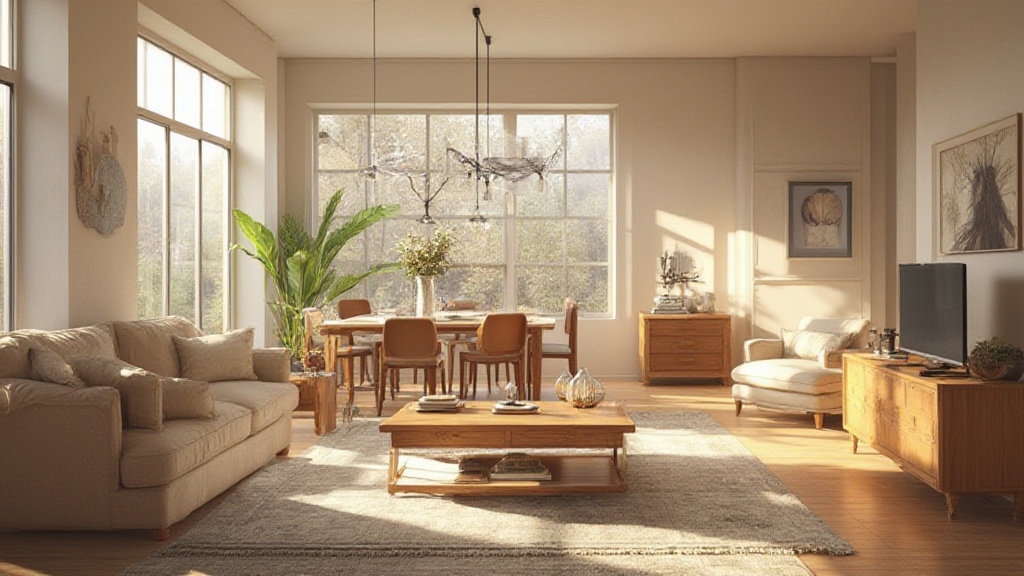
Choosing the right finish can transform your oak furniture into stunning centerpieces. Oak stain options, including matte, satin, and glossy, offer protection and enhance the natural beauty of the wood’s grain.
Homeowners may explore finishes like varnish, oil-based, and water-based solutions to achieve their desired aesthetic.
Each finish provides unique qualities, whether it’s a rich color or an eco-friendly formulation, ensuring your pieces make a lasting impression.
Applying clear coats can create a protective layer that contributes to furniture longevity while preserving its charm.
- Explore top choices for enhancing oak’s natural beauty.
- Learn about the durability and aesthetic benefits of various finishes.
Click here to learn more about: oak furniture
Choosing The Right Oak Stain
The choice of oak stain plays a pivotal role in the overall appearance and feel of your furniture. A well-selected stain not only highlights grain visibility but also defines the character of the piece. Aged weathered finishes evoke a sense of charm reminiscent of rustic decor. Color theory is important as warm tones bring a cozy ambiance, while cool tones lend a modern touch.
Understanding Stain Techniques
Techniques for applying oak stain can vary widely. Distressing techniques enhance the authenticity of your furniture, mimicking a weathered look. Common methods include:
- Layering various colors to achieve depth.
- Utilizing color washing for a soft finish.
- Employing sandpaper and glazing techniques for unique results.
Experimentation is key when applying aged weathered finishes to find your personal style.
Consider your lifestyle when selecting a finish. Polyurethane and natural oils are excellent protective options that enhance durability, catering to pieces that endure frequent use. With proper care, your furniture can retain its beauty for years to come.
Polyurethane Finishes: Essential Insights
Polyurethane finishes are indispensable for enhancing both the beauty and durability of wood surfaces. Selecting the appropriate finish significantly influences your furniture’s aesthetic and longevity, particularly when considering stain compatibility.
When applying polyurethane, safety precautions are paramount; ensure you have adequate ventilation and utilize protective gear such as gloves and masks.
The choice between water-based and oil-based finishes is another key consideration.
For example, water-based finishes dry quickly and emit less odor, while oil-based variants provide a rich color and a robust protective layer. By making informed decisions, you will elevate the quality of your wood projects.
Always prioritize safety and quality in wood finishing for the best results.
Exploring Matte Vs Satin Finishes
Making a selection between matte and satin finishes impacts both the visual appeal and maintenance of your furniture.
Matte finishes absorb light, resulting in a softer atmosphere that complements rustic decor beautifully. Conversely, satin finishes reflect more light, making them suitable for various settings, especially those with ample natural light.
Maintenance also differs significantly; while matte finishes can highlight dust more prominently, satin finishes are generally easier to clean.
Recognizing these distinctions aids in selecting the optimal finish for your space, enhancing both visual appeal and practicality in wood finishing.
Choose your finish wisely based on your decor style and maintenance preferences.
Aged Weathered Finishes: Adding Character
Aged weathered finishes evoke a sense of time-worn charm and character, frequently seen in rustic decor and vintage aesthetics.
These techniques enhance surfaces to mimic the natural aging process, lending authenticity to furniture, walls, and various materials. The techniques can involve aging wood and other materials to achieve a rustic, worn look.
- Processes include distressing, layering, and color washing.
- Creates a sense of history and depth in design.
- Suitable for DIY projects and professional craftsmanship.
Aged weathered finishes can be applied to wood, metal, glass, and textiles, making them popular in farmhouse styles and rustic interior design. Techniques like sanding, staining, and glazing yield unique results that enhance the overall aesthetic.
Experiment with eco-friendly products for a sustainable approach to aged finishes.
Key Facts About Polyurethane and Finishes
- Polyurethane finishes enhance wood’s durability and aesthetic appeal, significantly affecting furniture longevity.
- Water-based finishes dry faster and produce less odor, while oil-based finishes offer richer colors and stronger protection.
- Matte finishes absorb light for a softer look, whereas satin finishes reflect light and are generally easier to maintain.
- Aged weathered finishes can be applied to various materials, creating a rustic charm that complements farmhouse and vintage styles.
How To Apply A Clear Coat
Achieving a flawless finish on oak furniture requires a clear coat application, which provides essential protection after selecting the right base finishes. First, prepare the surface meticulously by sanding until smooth and removing any dust particles.
Next, opt for a high-quality brush or spray gun to ensure an even coat application.
Apply multiple thin layers, allowing each layer to dry for approximately 1-2 hours before adding the next.
Full curing may take up to 24 hours, so patience is vital. Environmental factors, such as humidity and temperature, can greatly influence drying times.
It’s important to ensure the area is well-ventilated and conducive to application. Always wear protective gear, including gloves and masks, to safeguard against fumes and splashes.
Exploring Tung Oil For Oak
For those interested in natural finishes, tung oil offers remarkable benefits for oak surfaces.
This wood oil deeply penetrates to enhance the grain while providing exceptional water resistance.
To achieve an even finish, first apply the tung oil using a soft cloth or a brush, following the grain’s direction closely.
After each coat, allow for a drying period of at least 24 hours for optimal absorption. Buff the surface gently with a clean, soft cloth after the final application to reveal a stunning, polished sheen.
Unlike synthetic options, tung oil enhances the oak’s natural beauty, allowing the wood to maintain its intrinsic characteristics.
Benefits of Tung Oil
Tung oil is not only eco-friendly but also safe for indoor use, making it suitable for various projects. This natural finish promotes a warm tone while offering protection against moisture.
Its penetration ability allows for grain enhancement, showcasing the unique textures of the wood.
Tips for Application
- Always test the oil on a small area first.
- Use a clean application tool to prevent contamination.
- Ensure the temperature is ideal, avoiding extremes.
- Consider layering with a wood conditioner for best results.
Aged weathered finishes provide authenticity and character, with techniques that evoke a sense of history and timeless charm.
| Application Method | Drying Time | Environmental Considerations |
|---|---|---|
| Brush or spray gun for even coat | 1-2 hours between layers; full curing up to 24 hours | Well-ventilated area; avoid extreme humidity and temperature |
| Tung oil applied with cloth or brush | 24 hours for optimal absorption | Eco-friendly and safe for indoor use |
The Charm Of Antique Finishes
Antique finishes capture the essence of aged charm, providing a unique aesthetic appeal that resonates with lovers of rustic decor. By embracing modern products like gel stains, you can achieve a rich color palette while creating a genuine, time-worn texture.
To enhance authenticity, utilizing techniques such as layering colors and distressing surfaces helps mimic the natural aging process of wood.
Antique finishes lend a timeless character to any space.
Maintaining the charm of these finishes involves several essential practices.
Regular cleaning with a mild soap solution is paramount, and the application of a protective polyurethane coat will prolong their life.
This combination of traditional techniques and contemporary products ensures that your antique-style furniture remains captivating and resilient over time.
Achieving Authentic Looks with Modern Products
To achieve an authentic look, consider the following methods:.
- Layering Colors: This technique allows for a dynamic depth of color that enhances the wood’s natural beauty.
- Distressing Techniques: Using tools like sandpaper, you can create wear patterns that mimic age.
- Using Ecofriendly Products: Look for sustainable options that offer similar effects without harmful chemicals.
What Is Gel Stain And When To Use It
Gel stain represents a unique solution that enhances the beauty of various wood types while achieving a consistent finish. Specifically formulated for use on oak and other porous surfaces, this product allows for easy application and yields a rich, durable color.
Gel stain minimizes the risks of streaking that can occur with traditional stains.
For beginners, here are essential steps to effectively use gel stain:
- Prepare the Surface: Sand and clean the wood thoroughly to ensure proper adhesion.
- Application Method: Utilize a brush or cloth for an even application.
- Work in Ventilated Areas: Make sure to maintain airflow while working for a safer experience.
Before applying gel stain to your furniture, testing on a scrap piece will ensure you achieve the desired result. By understanding the benefits of gel stains and their application, you can elevate your projects and create stunning pieces that enhance your interiors.
Antique Finishes and Gel Stains
- Antique finishes add character and depth to furniture, making them a popular choice for rustic decor enthusiasts.
- Gel stains are specifically designed for porous surfaces like oak, providing an even and durable finish.
- Layering colors and distressing techniques can enhance the authenticity of wood finishes, mimicking natural aging.
- Using eco-friendly products helps achieve similar aesthetic effects while being safer for the environment.
Tips For Ecofriendly Furniture Varnish
Choosing ecofriendly furniture varnish is an essential step toward cultivating a sustainable living environment. Select waterbased products over oil-based options, as they generally emit fewer harmful chemicals and exhibit lower VOC levels.
Look for certifications such as Green Seal or GREENGUARD on product labels, indicating compliance with stringent environmental standards.
Application Practices
During application, ensure good ventilation to alleviate indoor air pollution.
It’s also advisable to consider outdoor application on mild days to further enhance overall air quality.
Implementing these practices not only shields your furniture with a lasting finish but also reinforces your dedication to sustainability.
Benefits of Ecofriendly Products
- Reduced environmental impact due to lower emissions.
- Long-lasting finishes that protect wood surfaces.
- Accessibility of various finishes including matte, satin, and glossy options.
Aged Weathered Finishes
Aged weathered finishes convey a sense of time-worn charm and uniqueness. These techniques enhance surfaces to replicate the natural aging process, providing authenticity to furniture and other materials.
Techniques for Achieving Aged Finishes
Commonly used in furniture restoration and artistic applications, processes such as distressing, layering, and color washing can be employed. Each technique can significantly influence the level of aging and finish achieved, transforming pieces into rustic decor focal points.
DIY Projects and Craftsmanship
The methods used can vary based on desired aesthetics. DIY furniture restoration enthusiasts can explore various approaches, utilizing eco-friendly products for a sustainable outcome. Tools commonly required include:
- Brushes
- Spray guns
- Sandpaper
- Rags
- Staining cloths
Safety measures are vital when working with chemical finishes. Experimentation is crucial to discovering a personal style within the realm of aged finishes, enabling a richer connection to rustic and vintage aesthetics.
Ecofriendly Furniture Varnish and Aged Finishes
- Water-based varnishes typically have VOC levels under 100 grams per liter, making them safer for indoor use.
- Using ecofriendly varnishes can reduce indoor air pollution, benefiting both health and the environment.
- Aged finishes can increase the perceived value of furniture, appealing to consumers seeking unique and rustic aesthetics.
- DIY restoration projects can significantly extend the life of furniture, promoting sustainability and reducing waste.
Comparing Wood Finishes For Oak Enhances Beauty
Comparing Oak Furniture Finishes For Stunning Homes Enhances Aesthetic Appeal