
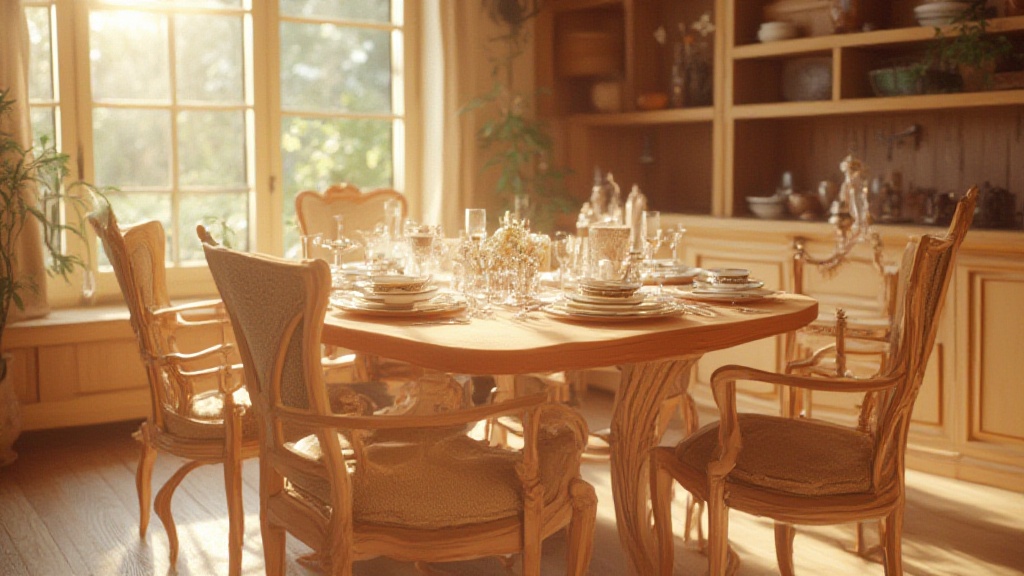
Transform the allure of your pine furniture with finishes that truly shine. The best finishes for pine furniture not only elevate the visual appeal but also ensure robust protection against wear and tear.
Oil-based stains and water-based finishes effectively highlight the unique grain of pine while enhancing its durability.
A protective clear coat seals your furniture, allowing its natural charm to withstand the test of time.
Consider employing a polyurethane finish, celebrated for its exceptional strength and resilience. By experimenting with various products, you can unveil distinct textures and colors, making your furniture a stunning centerpiece in any room.
- Enhances the natural grain of pine.
- Provides lasting surface protection.
- Offers diverse finishes, from matte to glossy.
Click here to learn more about: oak furniture
Choosing the Right Polyurethane Finish
Selecting the ideal polyurethane finish significantly impacts the preservation of your pine furniture’s beauty. Start by ensuring proper surface preparation; a well-sanded and cleaned surface enhances adhesion and overall finish quality. Compatibility with existing finishes is another essential factor—you want a seamless and uniform appearance. Always perform a test on an inconspicuous area to check for compatibility with the wood. This practical approach can help you avoid discoloration and unsightly peeling, ultimately enhancing the overall look of your project.
- Testing allows for visualization of the final outcome.
- Compatibility checks help prevent costly errors.
- Surface preparation is vital for a long-lasting finish.
Understanding Aged Weathered Finishes
Applying aged weathered finishes evokes a sense of time-worn charm and character, often found in rustic decor and vintage aesthetics. These techniques simulate the natural aging process, lending authenticity to furniture and various materials.
- Techniques like distressing, layering, and color washing enhance surfaces.
- Creates a sense of history and depth in design.
- Ideal for both DIY projects and professional craftsmanship.
When considering aged finishes for your project, remember:.
Experiment with different methods on sample pieces to refine your techniques.
Common tools required include brushes, spray guns, sandpaper, and rags. Always prioritize safety when working with chemical finishes and explore eco-friendly products for a sustainable approach.
Final Thoughts on Finishing Pine Furniture
Embrace the charm of natural finishes that provide both protection and aesthetic enhancement. Explore artisan techniques, and don’t shy away from experimenting with different stains and finishes to achieve the desired look. With the right finishing techniques, your pine furniture can showcase its unique character for years to come.
How Does Varnish Protect Pine
Applying varnish to pine offers robust protection against various environmental factors. This moisture resistance is essential; varnish forms a barrier that prevents water absorption, thus minimizing the risk of warping and swelling.
Varnish creates a substantial barrier against UV damage, shielding the wood from harmful rays that cause fading and discoloration.
By incorporating UV protection, the longevity of your wood finish increases significantly.
For optimal results, apply varnish in thin layers, allowing each coat to dry fully before proceeding. A high-quality brush is recommended for achieving a smooth and even finish.
Benefits Of Linseed Oil On Wood
Linseed oil represents a superior choice for those seeking an eco-friendly natural finish.
This oil, derived from flax seeds, thoroughly penetrates wood fibers to enhance the natural grain, creating beautiful texture and color. Consequently, linseed oil not only enriches the aesthetic appeal of pine furniture but also promotes a sense of authenticity.
Enhancing Grain Visibility
Linseed oil enhances grain visibility, allowing the natural beauty of the wood to shine through.
This treatment helps accentuate the unique patterns and characteristics of each piece.
Maintenance Routine
To maintain the luster and protection of linseed oil-treated surfaces, regularly reapply the oil.
Be sure to clean the surface with a soft cloth before each application.
This maintenance routine is essential for keeping your furniture looking its best. Consider using a maintenance schedule to ensure long-lasting beauty.
Aged Weathered Finishes
Aged weathered finishes evoke a sense of time-worn charm and character, often found in rustic decor and vintage aesthetics.
These techniques enhance surfaces to mimic the natural aging process, lending authenticity to furniture, walls, and various materials.
- Techniques involve aging wood and other materials to achieve a rustic, worn look.
- Commonly used in home decor, furniture restoration, and artistic applications.
- Processes such as distressing, layering, and color washing achieve a sense of history and depth in design.
These finishes are suitable for both DIY projects and professional craftsmanship. Experimentation is key to finding a personal style within the realm of aged finishes. Look for step-by-step tutorials to achieve various effects while considering eco-friendly products for a sustainable approach.
| Protection Method | Benefits |
|---|---|
| Varnish | Moisture resistance and UV protection |
| Linseed Oil | Enhances natural grain and eco-friendly finish |
| Aged Weathered Finishes | Mimics natural aging for rustic charm |
Understanding Shellac For Pine Furniture
Shellac serves as a versatile finish that significantly enhances pine furniture. Traditionally recognized for its rich, warm tones, shellac offers a beautiful aesthetic while providing excellent protection.
Its quick drying time makes this finish ideal for projects that require speed and efficiency.
Many woodworkers appreciate shellac’s ease of application, as it can be effortlessly brushed or wiped on.
For the best results, mix shellac with denatured alcohol in a 2:1 ratio to achieve a smooth, even coat. This simple technique allows you to showcase the natural beauty of pine wood while benefiting from the protective qualities shellac offers.
The Benefits of Using Shellac
Utilizing shellac for furniture finishing not only enhances aesthetics but also contributes to the durability of the wood.
This traditional finish is ecofriendly, nontoxic, and chemicalfree, making it a great choice for those seeking handcrafted finishing solutions. The artisan techniques involved in applying shellac can produce a variety of finishes, from a glossy to a matte finish, allowing further customization based on personal preferences.
Exploring Mineral Oil As A Finish
Mineral oil emerges as a premier option for food-safe finishes, particularly in kitchenware.
This finish is particularly suitable for cutting boards and utensils, enhancing the wood’s natural beauty while effectively acting as a moisture barrier.
Its non-toxic nature guarantees safety and makes mineral oil a favored choice for DIY projects and food-related items.
To maintain the protective properties of mineral oil, it is advisable to reapply mineral oil monthly or as needed, ensuring that your surfaces remain in excellent condition. Regular maintenance is essential for preserving the integrity and appearance of your kitchen items.
Reapplication Guidance for Mineral Oil
- Reapply mineral oil approximately every month or when the wood appears dry.
- Utilize a soft cloth to apply a generous amount of oil evenly across the surface.
- Wipe off any excess oil after application to avoid a greasy finish.
Following these steps ensures that your wooden kitchenware not only looks great but also remains functional and protected.
Shellac and Mineral Oil Finishes
- Shellac is derived from natural sources, making it a sustainable choice for finishing wood furniture.
- Mineral oil is safe for food contact, making it ideal for kitchen items like cutting boards and utensils.
- Regular reapplication of mineral oil helps maintain the wood’s moisture barrier and prevents cracking.
- Shellac can be mixed in various ratios to achieve different finishes, providing versatility for woodworkers.
Waterbased Finish: Is It Worth It
Opting for a waterbased finish introduces numerous advantages, particularly with respect to environmental considerations. Eco-friendly aspects emerge from significantly reduced VOC emissions when compared to traditional oil-based products.
Rapid drying times contribute to efficiency, as waterbased finishes typically dry within one to two hours, whereas oil-based finishes may need up to 24 hours for complete drying.
To achieve an exceptional application, consider using a high-quality brush or foam applicator.
This method not only enhances your results but also assists in securing a smooth finish, effectively preventing unsightly bubbles or streaks.
Advantages Of Oilbased Stain For Pine
Choosing oil-based stains offers an impressive color enhancement that accentuates the natural beauty of pine.
The rich depth of these stains elevates the wood’s grain, transforming furniture into a polished, elegant statement. Renowned for their long-lasting durability, oil-based stains create a resilient protective layer that helps preserve the wood’s exquisite appearance.
For an even application, applying the stain with a cloth and following the direction of the grain is recommended.
This technique aids in achieving a uniform finish, reducing the potential for blotches and ensuring a consistently stunning result.
Aged Weathered Finishes
Aged weathered finishes evoke a sense of charm and character that resonates with rustic decor and vintage aesthetics. These techniques enhance surfaces, mimicking the natural aging process to lend authenticity to various materials, including wood and metal.
- Techniques often involve distressing, layering, and color washing.
- These finishes create a sense of history and depth in design.
- Applicable in both DIY projects and professional craftsmanship.
When applying aged weathered finishes, consider the following steps:.
Practice Techniques: Experiment on sample pieces to refine various methods.
Use the Right Tools: Brushes, spray guns, sandpaper, and rags are essential for optimal results.
Prioritize Safety: Always take precautions when working with chemical finishes.
Incorporating aged weathered finishes can enhance the texture and authenticity of your decor, making it an appealing option for those looking to achieve a timeless, rustic look.
Finishing Techniques
- Waterbased finishes reduce VOC emissions by up to 90%, making them more environmentally friendly.
- Oil-based stains can enhance the color of wood, providing a richer appearance and depth.
- Aged weathered finishes can increase the perceived value of furniture by adding character and authenticity.
- Using high-quality tools and practicing techniques can significantly improve the final outcome of any finishing project.
What Makes A Good Clear Coat
Quality clear coats significantly enhance the protective finishes of wood surfaces, ensuring their beauty and integrity are well-preserved. A durable finish not only resists scratches, stains, and UV damage but also prolongs the lifespan of furniture.
High-quality clear coats retain clarity, allowing the natural charm of the underlying wood to shine through.
Flexibility in a clear coat is essential as it accommodates natural wood movement and helps prevent cracking, contributing to the longevity of the surface.
Characteristics of a Quality Clear Coat
When evaluating clear coats, consider their resistance to wear and environmental factors.
A weathered effect can be achieved with products that also enhance the surface’s texture and character. It’s advisable to check compatibility with existing finishes before application.
Conducting a small test in inconspicuous areas ensures proper bonding and prevents unwanted reactions with the underlying finishes.
Testing Compatibility
Testing compatibility with previous layers is a fundamental step for any finishing project. Use a small sample of the clear coat on unseen areas of the piece to observe its interaction with existing coatings.
This can be essential for achieving a harmonious look, especially when using artisan techniques.
By adhering to these practices, you can significantly enhance the performance and longevity of your wood sealer.
Clear Coats
- Durable clear coats can extend the life of wood surfaces by protecting against scratches and UV damage.
- High-quality clear coats maintain clarity, showcasing the natural beauty of the wood.
- Flexibility in clear coats allows them to adapt to wood movements, reducing the risk of cracking.
- Testing compatibility with existing finishes is crucial to avoid adverse reactions and ensure a uniform appearance.