
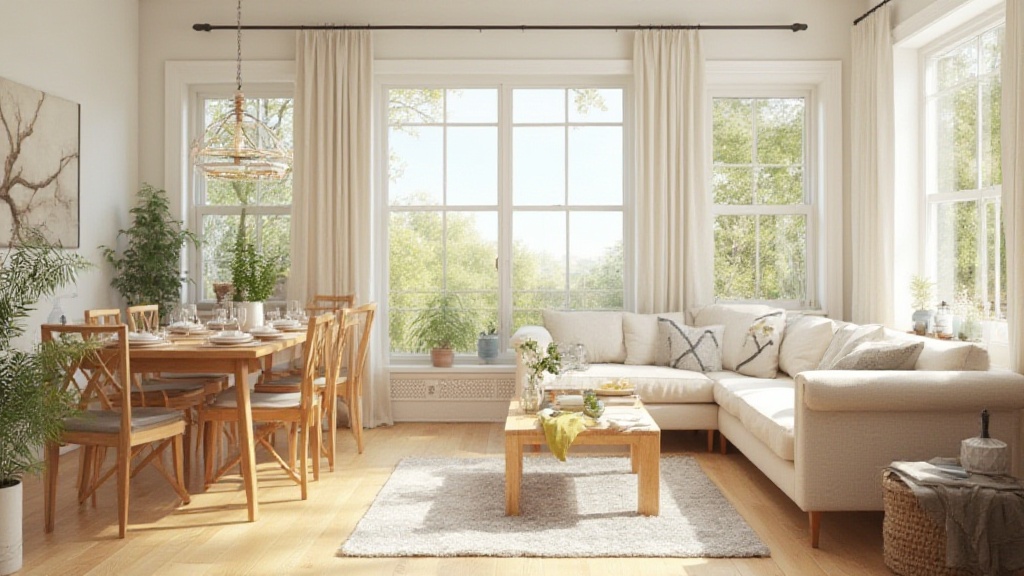
Choosing the right wood for your furniture can dramatically influence your home’s aesthetics and functionality.
Oak, renowned for its strength and durability, stands in contrast to the more affordable and softer pine.
Each option brings unique benefits shaped by your design preferences and practical needs.
Oak furniture exudes a classic charm with its dense wood grain, ideal for traditional settings, while pine offers a rustic appeal that complements modern, casual spaces. Whether it’s the longevity of oak or the cost-effectiveness of pine, these benefits will guide you towards the perfect choice for your home.
- Durability: Oak furniture provides exceptional durability and can last decades.
- Cost: Pine furniture is typically more budget-friendly, making it accessible.
Click here to learn more about: oak furniture
Durability of Oak vs. Pine Furniture
The longevity of both oak and pine wood varies significantly depending on the environment they are placed in. Oak is a hardwood, prized for its robust nature; this makes it resistant to wear and tear. Pine, being a softwood, is more vulnerable to scratches and dents, affecting its maintenance over time. When evaluating performance, factors such as humidity and temperature play significant roles. Oak tends to remain stable in fluctuating conditions, while pine may warp in high humidity.
Evaluating Environmental Factors
Choosing the right wood based on environmental considerations is essential. Oak’s natural strength makes it a preferable option for humid climates, ensuring your furniture maintains its character and usability over time. Pine can be a great choice in drier areas, where its rustic appearance will add charm without the risk of warping.
Aged Weathered Finishes
Aged weathered finishes evoke a sense of time-worn charm and character, often seen in rustic decor and vintage aesthetics. These techniques enhance surfaces to mimic the natural aging process, lending authenticity to furniture, walls, and various materials. Employing techniques such as distressing, layering, and color washing, homeowners can achieve a sense of history and depth in design.
- Techniques: Aging wood and other materials for a rustic, worn look.
- Applications: Commonly used in home decor, furniture restoration, and artistic applications.
These finishes are suitable for DIY projects as well as professional craftsmanship. Tools commonly required include brushes, spray guns, sandpaper, rags, and staining cloths. Safety measures should always be taken when working with chemical finishes, and experimentation can help refine unique styles within the realm of aged finishes.
How Aesthetics Differ Between Woods
When evaluating aesthetics, oak and pine yield striking contrasts in visual appeal. Oak features intricate grain patterns that convey a sense of depth and sophistication, making it ideal for traditional settings.
Pine, conversely, offers a lighter color palette with simpler grains, perfect for rustic or modern designs.
The color of oak, with its darker hues, enriches formal interiors, while the light tones of pine brighten spaces, enhancing a sense of openness.
For instance, a traditional dining room may showcase an oak table with refined detailing, while a sunlit living area could utilize pine furniture to create a fresh, airy ambiance.
Understanding Wood Grain Characteristics
The visual appeal of furniture significantly relies on wood grain patterns. Wider grains provide a bold appearance, enhancing rustic styles, while finer grains offer a subtler, refined look suitable for contemporary designs.
Oak’s dense grain absorbs stains uniquely, highlighting its natural beauty, whereas pine requires careful staining to prevent uneven absorption. Selecting oak for its longevity and elegance ensures durability that withstands frequent use.
Alternatively, if you prefer lighter aesthetics and budget-conscious options, pine could be your choice, though it may demand more maintenance to retain its appeal.
Techniques for enhancing wood can include aged weathered finishes, which evoke a sense of time-worn charm and character.
These methods can enhance surfaces to mimic natural aging processes, lending authenticity to furniture, walls, and various materials.
Common techniques involve:.
- Distressing: Creating intentional imperfections for a rustic look.
- Layering: Applying multiple colors for depth and character.
- Color washing: Adding a translucent tint to showcase grain.
These techniques are suitable for DIY projects and professional craftsmanship alike, allowing you to achieve a unique style in your home decor. Opting for eco-friendly products contributes to sustainability while exploring aged finishes.
Wood Aesthetics
- Oak’s intricate grain patterns are often associated with luxury and sophistication, making it a popular choice for traditional furniture.
- Pine’s lighter color palette and simpler grain make it versatile for both rustic and modern interior designs.
- Wider wood grains are favored in rustic styles, while finer grains are preferred for contemporary aesthetics.
- Aged weathered finishes can enhance the character of wood, making furniture and decor appear more authentic and time-honored.
Maintenance Tips For Oak And Pine
Regular maintenance significantly enhances both the longevity and aesthetics of oak and pine furniture. Oak furniture benefits from consistent dusting using a soft cloth, which prevents dust accumulation.
A mixture of equal parts white vinegar and water serves as an effective natural cleaner.
Maintaining appropriate humidity levels is paramount; a stable environment between 40% and 60% prevents potential warping.
In contrast, pine furniture thrives with biannual waxing to preserve its finish, and avoiding prolonged exposure to direct sunlight is essential for preventing fading. Simplifying routine cleaning can be accomplished with a mild soap and water solution, ensuring a gentle approach to maintain these beautiful woods.
Sustainability In Furniture Choices Today
Exploring eco-friendly practices in sourcing oak and pine furniture promotes sustainability.
Responsible sourcing of wood not only protects ecosystems but also bolsters local economies. Certifications such as FSC guarantee that the wood originates from responsibly managed forests, fostering biodiversity and environmental integrity.
Engaging in local sourcing of materials reduces transportation emissions, supporting a more sustainable lifestyle.
By choosing local artisans for your furniture needs, you enhance your home’s style while contributing to a decreased carbon footprint.
Opting for certified wood choices is an inspiring step towards a brighter future in furniture design and our planet.
- Regular dusting and cleaning can extend the life of oak and pine furniture significantly.
- Maintaining humidity levels between 40% and 60% is crucial for preventing warping in oak furniture.
- Using FSC-certified wood ensures that the furniture is sourced from responsibly managed forests.
- Local sourcing of materials can significantly reduce transportation emissions, promoting sustainability.
Strength And Resistance In Wood Types
Comparing oak and pine reveals significant differences in strength and resistance. Oak demonstrates exceptional durability, proving ideal for crafting heavy-duty furniture.
This type of wood withstands substantial weight and impact due to its dense structure, ensuring longevity in high-traffic areas.
On the contrary, pine is lighter and easier to work with, but it tends to dent and scratch more easily, impacting its usability over time.
For projects requiring sturdiness, oak emerges as the favored choice. Conversely, using pine for decorative elements where wear and tear are minimal can preserve its appeal, ensuring a lasting presence in your furniture selections.
Versatility Of Oak In Modern Design
The adaptability of oak across various design styles makes it a prominent option for homeowners.
Traditional and modern aesthetics benefit from oak’s unique wood grain, which adds character and depth to each space.
Popular applications include solid oak dining tables that combine both durability and elegance, along with stylish cabinets that enhance functionality.
Mixing oak with metals or glass can create a contemporary look while maintaining its natural charm.
To achieve a cohesive and aesthetically pleasing design, pair oak furniture with textiles that complement its warm tones, ensuring seamless integration into diverse decor styles.
Aged Weathered Finishes and Their Appeal
Aged weathered finishes evoke a sense of timeless charm and character, often found in rustic decor and vintage aesthetics.
These techniques enhance surfaces to mimic the natural aging process, lending authenticity to furniture and other materials.
Commonly implemented in home decor, furniture restoration, and artistic endeavors, these techniques can include distressing, layering, and color washing.
Aged finishes achieve a remarkable depth in design. As an affordable option for both DIY enthusiasts and professionals, these methods can effectively transform any piece.
Techniques to Achieve Aged Finishes
Various techniques can be applied to achieve aged weathered finishes, providing unique results.
Processes may include sanding, staining, and glazing to enhance texture and character.
Utilizing eco-friendly products is a sustainable approach that aligns with contemporary craftsmanship values.
Whether pursuing farmhouse styles or rustic aesthetics, these aging techniques can bring a distinctive charm to your design projects.
Wood Types and Finishes
- Oak is known for its exceptional durability, making it suitable for heavy-duty furniture.
- Pine is lighter and easier to work with, but is more prone to dents and scratches.
- Aged weathered finishes enhance the authenticity of furniture, mimicking natural aging processes.
- Eco-friendly products can be used in aging techniques, aligning with sustainable craftsmanship values.
What Makes Pine Furniture So Affordable
When evaluating furniture options, affordability in pine is a notable characteristic. Pine trees grow significantly faster than oak, leading to increased availability and lower sourcing costs.
This rapid growth allows for more economical harvesting, making pine an attractive choice for budget-conscious consumers.
The manufacturing process of pine furniture is less labor-intensive because pine is easier to work with and requires fewer specialized tools.
While pine offers fantastic affordability, the trade-off in durability compared to oak should not be overlooked.
The strength of oak typically results in longevity and resilience, attributes that are appealing for those looking for furniture styles that can withstand time. In contrast, pine, though less durable, can still provide a satisfying balance of functionality and usability.
To enhance the appearance of pine furniture economically, consider utilizing aged weathered finishes.
These techniques evoke a sense of time-worn charm, mimicking the natural aging process to add character and depth to the wood. Simple DIY methods, such as distressing, can transform basic pine into a rustic statement piece, elevating its visual appeal without significant expense.
Techniques may include sanding, staining, and glazing, which contribute to creating a rustic decor aesthetic that aligns with modern design trends.
Balancing Affordability with Durability
While pine is a cost-effective choice for furniture, it is essential to weigh its trade-offs regarding longevity and resistance to wear.
Using enhanced finishes can benefit both the appearance and the structural integrity of the piece.
Artisan techniques can make even affordable pine furniture stand out, ensuring it remains a cherished part of your home decor for years to come.
Investing in maintenance practices, like applying coats of varnish or refinish options, can greatly improve the moisture resistance and longevity of pine pieces. Each restoration technique brings out the unique wood grain and enhances the natural texture of the pine, allowing for personalized customization in line with your style.
With a few thoughtful upgrades, pine furniture can harmonize affordability with an authentic and timeless aesthetic.
| Characteristic | Pine Furniture | Oak Furniture |
|---|---|---|
| Growth Rate | Significantly faster | Slower |
| Cost of Sourcing | Lower due to availability | Higher due to scarcity |
| Durability | Less durable | More durable |
| Maintenance | Requires simple maintenance | May need more extensive care |